What Is Virtual Reality (VR)? Benefits, Challenges, & How It Works?
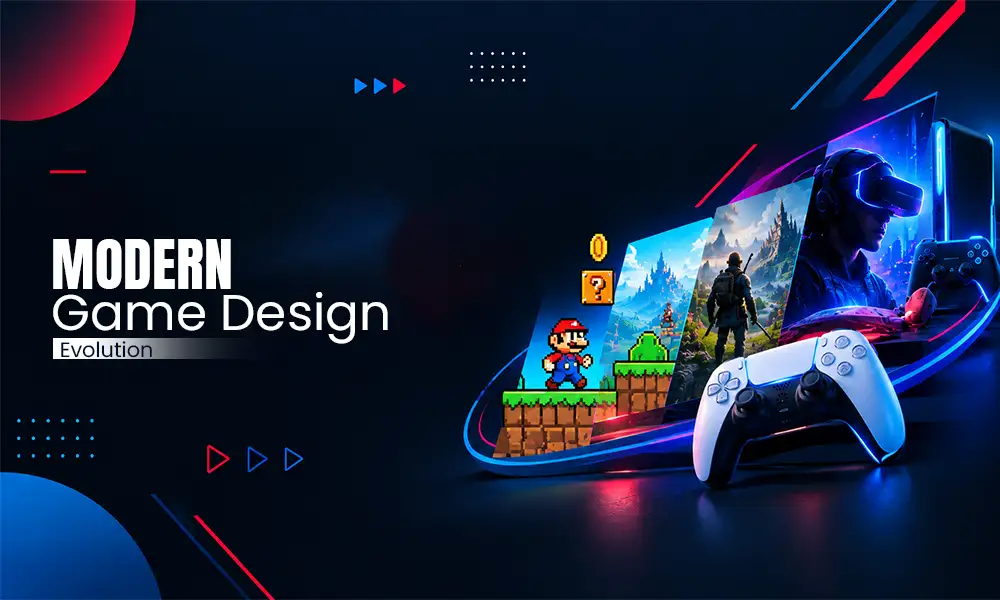
The physical world and the digital world now experience their most rapid movement toward merging boundaries. The experience of wearing a headset allows users to travel instantly to either Mount Everest’s summit or a fighter jet cockpit. The abilities of this VR technology create new possibilities for playing games, working, and studying.
What is Virtual Reality?
At its core, what is virtual reality? The user experiences virtual reality through a computer-generated environment that displays realistic scenes and objects that create an immersive feeling of actual surroundings. The user experiences total environmental separation from reality through VR headsets, which transform their physical space into a three-dimensional digital environment.
AR, VR, and Mixed Reality
The three concepts appear similar, yet they provide distinct user experiences:
- Virtual Reality (VR): Completely replaces your reality with a digital one.
- Augmented Reality (AR): Overlays digital elements onto your real-world view (like Pokémon GO).
- Mixed Reality (MR): Allows digital and physical objects to exist and interact in real-time.
How Virtual Reality (VR) Works?
The system achieves its magic through high-resolution displays, which work together with dedicated lenses and detection devices. The headset tracks head movements, so when the user looks up, the digital world shifts accordingly. The system creates a virtual space that users perceive as an actual presence inside the simulation environment.
Why is VR important?
VR uses extend to multiple fields beyond its application in video games. The system creates a risk-free space that enables users to participate in their most important training activities.
VR examples include surgeons; they can learn to perform difficult surgical procedures, and pilots can practice emergency landing techniques in a safe environment, which eliminates actual danger.
VR Benefits and Challenges
The two main advantages of this solution include improved learning through practical activities, its capacity to support remote teamwork between international teams, and its ability to treat patients with phobias and posttraumatic stress disorder.
The first obstacle exists when users experience ‘motion sickness’ while using the system, and the second obstacle arises from the high equipment costs, and the third obstacle occurs because of social isolation dangers, which happen when people use the system too much.
Conclusion
The field of virtual reality now exists in all business sectors, which include both entertainment and business applications. The system functions as an adaptable instrument that can create virtual real estate property tours and factory training programs. Virtual reality will keep changing our perception of reality because hardware technology becomes less heavy and graphic quality reaches more realistic levels.