Why Accurate Production Information Supports Better Customer Service

Customer service doesn’t start with a support call. It starts much earlier, on the factory floor, in production schedules, inventory updates, work orders, and delivery timelines. When that information is accurate, support teams can give customers clear answers, realistic expectations, and timely updates. When it isn’t, even the best service team ends up working with guesswork.
A PwC study found that 32% customers would stop doing business with a brand they loved after just one bad experience. In manufacturing, those bad experiences often stem from avoidable issues: inaccurate delivery dates, unclear order updates, incorrect items, or slow responses due to missing production data. Accurate production information helps prevent those problems before they reach the customer. It gives every team a reliable view of what’s happening, so communication stays clear, orders stay on track, and trust is easier to keep.
KEY TAKEAWAYS
- Accurate production information helps support teams give out honest order updates instead of fluff.
- Real-time visibility into production improves delivery estimates and makes delays easier to communicate honestly.
- Shared production data reduces order errors, speeds up customer responses, and improves collaboration between departments.
- Over time, accurate information strengthens customer trust, loyalty, and long-term business relationships.
Better Customer Communication
Most customers want straightforward updates on their orders. Because numbers are correct at every step, workers answering questions can share real timelines – no guessing needed. Seeing how things move keeps buyers calm and ready to plan. Trust builds slowly when messages match what actually happens behind the scenes.
Wrong details can cause trouble when talking to buyers. Because everyone – sales, making stuff, helping clients – uses one version of facts, what they say lines up better. Buyers get clear replies, never clashing versions, so fewer headaches pile up. Saying things the same way every time shows you know your job, and makes trust grow bit by bit.
Improved Delivery Expectations
Delivering on time improves customer satisfaction a lot. When production data stays up to date, factories see exactly how busy they are, what they can handle, and where holdups might pop up. Because of that clarity, support staff gives timelines people can actually count on instead of guesses pulled from old plans.
Surprises happen. Clear records help companies reach out fast, laying out what went wrong without delay. Because updates come early, people tend to stay calm instead of frustrated. Truthful messages keep faith alive during hiccups. Talking openly usually works better than silence when things slow down.
Faster Response To Customer Inquiries
Most customers ask about just one thing: status. Whether it is about an order moving forward, what stage it is at, or when it might finish. With correct details straight from production lines, support staff reply fast because they skip digging into scattered software or pausing till someone in charge sends news. When answers come swiftly, feelings shift – the person on the other end senses attention, respect, even care. That small moment of clarity builds something steady: trust.
Getting into live data fast lets staff manage more questions without slowing down. Because info does not need to be pulled from separate teams anymore, agents spend energy fixing issues instead. Less waiting happens. Service gets sharper. Both user and company gain when things move smoothly behind the scenes.
Improved Departmental Collaboration
It’s not just the support staff; strong customer service depends on many other departments. When sales share what customers want, it gives direction. Production handles building things, staying on track with clear tasks. Support staff keep people informed every step of the way. Shared details about progress tie everything together. Knowing the same truths keeps confusion low and actions in sync.
Most companies running factories pick manufacturing ERP software so production details live in one spot instead of being scattered. Because everyone taps into the same data pool, groups like shipping and assembly line up their work without confusion piling up. With tasks flowing more smoothly between teams, mistakes shrink while updates move faster from desk to floor. Customers notice fewer hiccups when orders get handled with a steady rhythm, start to finish.
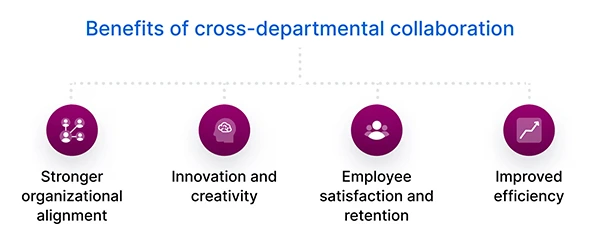
This departmental collab, in turn, leads to many other benefits:
Reduced Order Errors
The thing that destroys customer trust is receiving the wrong order. Too much or too little product, specs left out, even small factory mix-ups – these slow things down, cost more money, and then spark complaints. When details stay correct through manufacturing, companies follow what customers actually asked for. Mistakes fade when everyone works from clear, exact data.
When problems show up in the data, they’re simpler to spot before anything ships out. Catching those hiccups fast lets factories fix things on time instead of later. Mistakes slip through less often when checks happen sooner rather than after packing. Smooth handling follows fewer mix-ups, which builds trust slowly but steadily. People begin counting on consistency because slips grow rare over time.
Better Handling Of Custom Orders
Custom orders involve unique specifications, materials, timelines, or production steps. Added complexity is inevitable. When everyone sees the exact plan, mistakes drop, and steps follow smoothly from start to finish.
Because details stay correct, customer support staff share the exact progress on special orders. Production steps get described clearly, specs checked without doubt, concerns answered firmly. When clients see their needs handled exactly, trust grows naturally through consistent care.
Increased Customer Trust
Trust is built when companies walk the talk honestly. Not every company gets it right, yet those who share correct details stand out. Reliability speaks louder than claims ever could.
Openness builds trust between buyers and companies. Seeing how things are made helps people understand the effort behind products. Honest talk about delays or problems makes a brand seem real. Knowing what to expect gives customers confidence in their choices. Strong bonds form when firms share truth instead of hiding setbacks. Long-term connections grow even when cheaper options exist nearby.
Ability To Sustain Long-Term Relationships
One-off wins can’t build long-term customer relationships: it’s about consistency. What matters most? Follow through on promises, order after order. Behind every smooth delivery lies clear data from the shop floor. Long-term loyalty shows up not in one sale but in steady returns. Reliable output makes it possible to meet expectations again and again.
When people keep buying from a maker, what happened before shapes what they expect next. Because clear answers show up again and again, trust grows in how well the company does its work. With months passing, steady dependability opens doors – relationships deepen, buyers stay longer, others hear good things and pass them on, helping sales rise slowly.
Conclusion
Accurate production information not only improves internal operations. It makes helping customers much easier. When teams share up-to-date details, messages become clearer, promises about when items arrive stay honest, replies come quicker, departments work better together, and mistakes on orders drop sharply. Custom jobs? They move smoothly because people know each step taken. Trust grows slowly, yet steadily, every time accurate info guides decisions. As facts flow freely across roles inside a company, satisfaction climbs without fanfare. Relationships deepen simply by showing consistency. Success sticks around longer when everyone knows what’s really going on.
FAQs
Ans: It helps customer service teams provide reliable updates, realistic delivery timelines, and faster responses to customer questions.
Ans: Current production data allows businesses to set realistic delivery dates and inform customers early if timelines change.
Ans: Yes. It can reduce complaints by lowering the chances of missed deadlines, incorrect orders, poor communication, and delayed responses.