Why Is the SpaceX IPO Such a Big Deal?
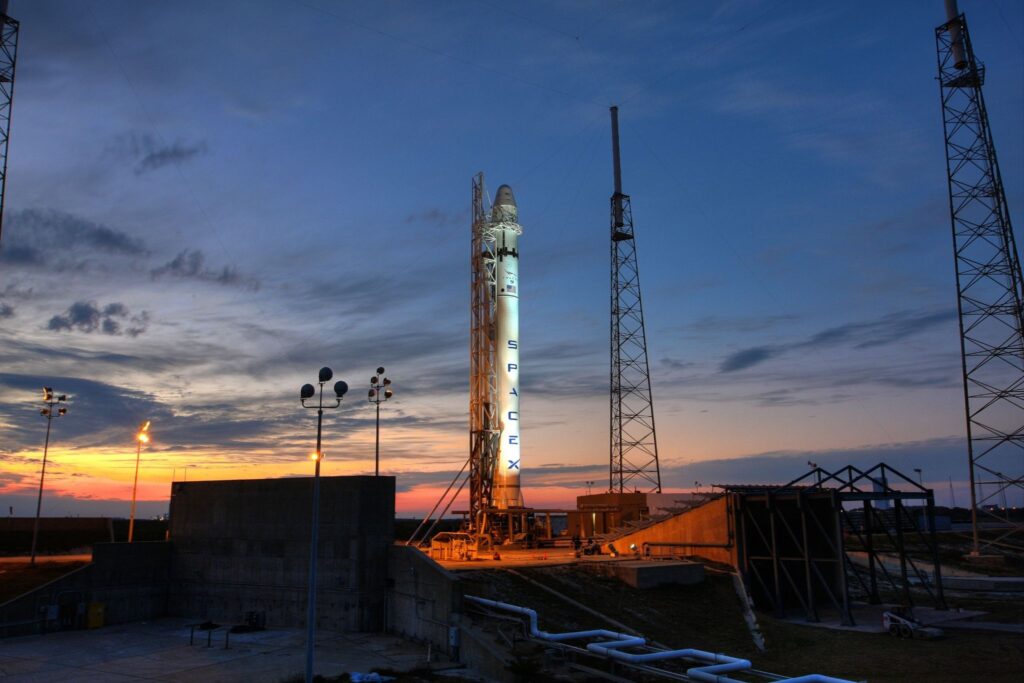
A company built to breach the walls of multiplanetary life did something interesting in June 2026. It breached through the biggest wall on Earth: Wall Street.
As per CNBC, SpaceX’s blockbuster IPO raised $75 billion in its base offering, and the shares then jumped 20% on their Nasdaq debut. It shows just how eager investors were to buy into a business spanning reusable rockets, satellite internet, and ambitions that stretch all the way to Mars.
But the SpaceX IPO was more than a record-breaking market debut. It gave public investors access to one of the world’s most influential private companies and offered a rare test of how Wall Street values a business whose biggest ambitions may take decades to materialize.
So, why did this IPO become such a big deal? Because of its scale, dominance of commercial spaceflight, its rise, and the enormous expectations now attached to its future.
KEY TAKEAWAYS
- SpaceX’s $75 billion base IPO was the largest public offering on record and valued the company at roughly $1.75 trillion.
- Reusable launch technology and Falcon 9’s scale have helped SpaceX build a dominant position in commercial spaceflight.
- Starlink adds a recurring subscription business to SpaceX’s traditional launch and government contract revenue.
- SpaceX offers major long-term growth potential, but its premium valuation and capital-intensive ambitions create significant investor risks.
Why Did the SpaceX IPO Capture So Much Attention?
It had almost everything needed to capture Wall Street’s attention:
- Record-breaking scale
- Intense investor demand
- Volatility
It’s a case study for traders to learn in day trading training programs.
On June 11, 2026, the company priced its IPO at $135/share. On June 12, it began trading on Nasdaq as SPCX. With almost $75 billion raised, it became the largest IPO on record. The offering valued SpaceX at roughly $1.75 trillion, immediately placing it among the world’s most valuable publicly traded companies.
Investor interest stemmed from more than hype. By the time it went public, SpaceX had built multiple established revenue streams through commercial launches, government contracts, national security missions, and its rapidly expanding Starlink satellite internet business.
Unlike many technology companies entering the public markets, SpaceX already had a long history of operational success and industry leadership.
SpaceX Continues to Lead the Commercial Space Industry
One of the biggest reasons investors have embraced SpaceX is its dominant position within the commercial space sector. Since its founding in 2002, the company has fundamentally changed how rockets are designed, launched, and reused.
Its Falcon 9 rocket remains the industry’s workhorse, routinely returning boosters for refurbishment and reuse after orbital missions. This reusable launch system has significantly lowered launch costs while increasing launch frequency, giving SpaceX a competitive advantage over traditional aerospace providers.
The company also continues to conduct crewed missions, cargo flights, and national security launches while advancing the development of Starship, its next-generation launch vehicle intended for missions to the Moon, Mars, and beyond.
Starlink Has Become a Powerful Business
While many people associate SpaceX primarily with rockets, Starlink has evolved into one of the company’s most important businesses. The satellite internet network serves customers in dozens of countries by delivering broadband via thousands of low-Earth-orbit satellites.
The infographic explains the Starlink tech:
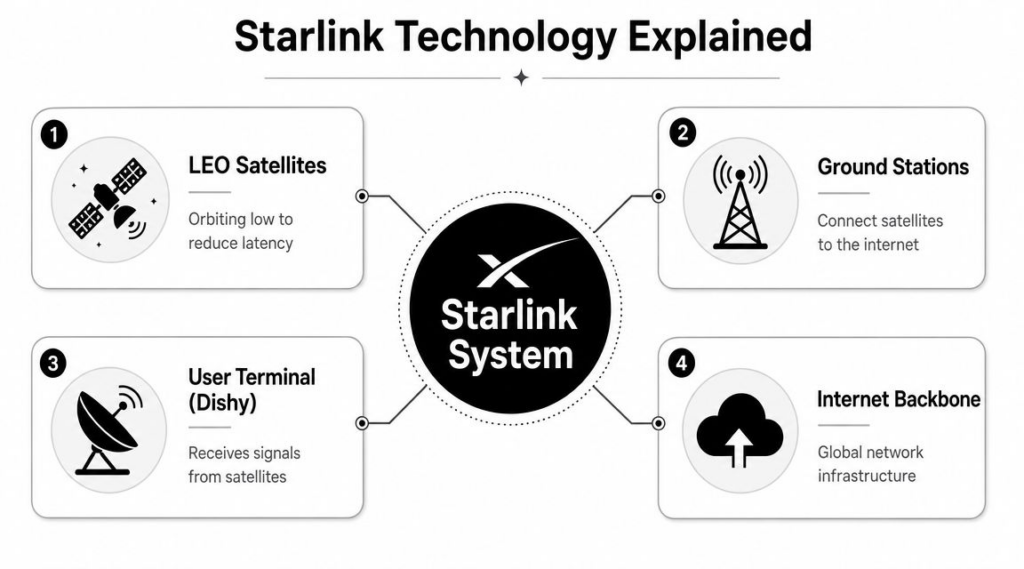
This subscription-based model provides recurring revenue that complements SpaceX’s launch operations. Investors view this combination of infrastructure, communications, and aerospace technology as one of the company’s greatest strengths because it diversifies revenue beyond launch services alone. Continued expansion of Starlink remains one of the key drivers analysts are watching following the IPO.
The IPO Reshaped the 2026 Stock Market
Few public offerings have generated as much excitement as SpaceX. The company’s debut accounted for a substantial share of North American IPO activity during 2026 and helped revive investor enthusiasm after several slower years for new public listings. Analysts noted unusually strong participation from retail investors, with the IPO allocating a larger-than-normal percentage of shares to individual investors compared with most large offerings.
As with many highly anticipated IPOs, the stock experienced significant price movement during its first weeks of trading. Although shares initially surged after listing, they later became more volatile as investors evaluated the company’s valuation, future earnings potential, and long-term growth prospects. This type of price action has made SpaceX a frequent example in day trading training courses that examine volatility surrounding major market debuts.
Speaking of the stock market, learn about the new top AI tools to supercharge your trading.
Why Did SpaceX Finally Go Public?
For many years, the concept of a SpaceX IPO seemed to contradict the vision of the company. Elon Musk had resisted the urge to enter the financial markets. Also, SpaceX continued to spend its capital on rockets, satellites, and the ambition of making life across multiple planets possible. Private status made it plausible for a company to engage in these activities without pressure from investors, such as quarterly earnings results.
Speaking of planets, if you want to make your social media more interesting, you must check out Snapchat planets.
Getting back to the topic. The 2026 IPO was a strategic move as it provided SpaceX with significant new capital. At the same time, it gave public investors access to one of the world’s most closely watched private companies. The additional funding is expected to support continued investment in Starship, Starlink expansion, artificial intelligence initiatives, and future space infrastructure.
What Are the Opportunities and Risks for Investors?
Yes, SpaceX is attracting investors like anything at the moment. But a record-breaking IPO does not make SpaceX a risk-free investment. If anything, its enormous valuation means investors have equally enormous expectations.
The aerospace industry is still one of the most capital-intensive industries around the globe. It requires considerable investment in engineering, manufacturing, testing, and compliance with regulations. Anything can go wrong in the future: launch delays, technical problems, changes in government policies, or slower-than-expected commercialization of new technologies.
At the same time, many analysts believe SpaceX possesses one of the strongest competitive positions in modern aerospace thanks to its reusable launch systems, growing satellite communications business, and technological leadership. Investors continue weighing these long-term opportunities against the company’s premium valuation and ambitious growth plans.
A Historic IPO With Long-Term Implications
The SpaceX IPO was not historic simply because of the billions it raised. It marked the moment one of the world’s most ambitious private companies became accountable to the public market.
SpaceX has changed the way commercial spaceflight works, increased the level of internet access through satellites, and still pushes the envelope in the area of aerospace technologies with such developments as reusable launch systems and Starship technology.
Whether viewed from the perspective of long-term investing or market history, the IPO stands as one of the most important financial events of the decade and may influence how future high-growth technology companies approach the public markets.
FAQs
When Did SpaceX Go Public?
SpaceX came on the Nasdaq as SPCX on June 12, 2026, for $135/share.
How Much Money Did it Raise?
First, it offered $75 billion in shares; then, after the underwriters fully exercised their option to purchase additional shares, gross IPO proceeds reached approximately $85.7 billion.
Why Was the SpaceX IPO So Important?
The IPO was significant because of its record-breaking size and because it gave public investors direct access to SpaceX’s launch, Starlink, and space technology businesses.