The Entrepreneur’s Year-End Checklist Nobody Actually Talks About

The end of the year feels the same for every entrepreneur. That common sinking feeling when December comes, and there’s a bag full of loose ends just sitting on your desk. Random receipts, spreadsheets, tax forms all scattered across.
Most year-end checklists you’ll find online talk about common sense items. Pay bills. Follow up on invoices. Send out emails. However, they end up overlooking the items that truly impact a business’s wellbeing for the new year.
This is the checklist that nobody actually talks about, containing all mundane, dull but critically important tasks that distinguish between entrepreneurs who succeed and those who panic every January.
Why Year-End Planning Actually Matters
Most entrepreneurs treat year-end like a finish line. It’s not.
December 31 is really just the beginning for all the action that takes place the following year. The way your business shuts down in December affects January like no other month. A clean shutdown equals:
- Fewer surprises when tax season hits
- Cleaner numbers for planning next year
- More cash saved through smart deductions
- Less stress when the accountant calls
The consequences are vital too. QuickBooks’ entrepreneurship report states that 34% of business owners have made mistakes when filing business taxes. Either they paid a lot or too little of what they owed. That means that over one in three business owners are losing money or facing penalties every year.
And it usually comes down to one thing… A weak year-end process.
The best part is that the solution isn’t complex. You simply need an entrepreneur’s checklist that addresses items most other checklists don’t cover, and the discipline to follow through with it.
The Tax Prep Steps Most Entrepreneurs Skip
Year-end taxes are where entrepreneurs win big (and lose big). Checklists often fail at exactly this stage.
Capturing receipts and reconciling bank statements get all the attention. It’s the little moves that often get ignored.
Here are the year-end tax tasks that quietly make the biggest difference:
- Reviewing every contractor paid over $600 during the year
- Confirming which vendors need a 1099 or W-9 on file
- Double-checking employee W-2 details before printing anything
- Reconciling payroll totals against bank withdrawals
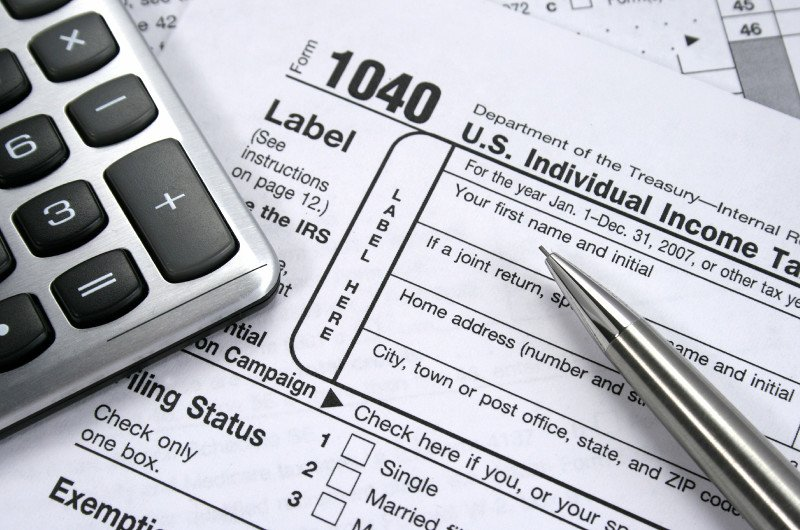
Filing year-end tax forms can be tough when you are a one-person show running your business. Digging through payroll, contractors, and vendors for W-2 and 1099 forms at 11 pm on December 30th is probably going to lead to errors. Keep things tidy by preparing year-end tax forms with software designed for W-2 and 1099 filings.
And the numbers make this even more important…
Forbes reports that 93% of businesses shortchange themselves at tax time. That’s not an insignificant error — that’s money that could have been used for hiring new employees, upgraded equipment, or a vacation you deserved.
Tip: If you wait until March to organize tax forms, you will quickly join that 93%. Savvy small business owners who claim every deduction start in November, not April.
Financial Cleanup That Saves Real Money

Now for the part of the entrepreneur checklist that gets ignored the most…
Financial housekeeping. It’s not very appealing, but that’s where the magic happens. Many entrepreneurs don’t know how much money is tucked away in sloppy books, unused subscriptions, and partially tracked expenses.
Begin with a few key areas that always deliver results.
Audit Every Subscription
All of those SaaS tools, plugins, and monthly subscriptions accumulate. Grab a hard copy of every frequently occurring charge from the past 12 months and highlight what you’re actually still using. Cancel anything else before autopay renews in January.
Reconcile Everything
Bank accounts, credit cards, payment processors — everything has to align. If your books aren’t reconciling in December, they won’t magically reconcile in April. And when books aren’t reconciled, deductions are missed.
Categorise Mileage And Home Office Expenses
Business mileage and home office expenses: Two deductions entrepreneurs miss most often. They can add up quickly if you’ve been keeping track of them. A review in December can help you remember what you missed during the year.
Chase Down Missing Receipts
Whatever you pay for with cash or undocumented personal charge is susceptible to theft. Follow up on those charges while they are still in your mind. Half of them will disappear by tax time.
Cleaning up like this isn’t all that attractive. Entrepreneurs who do this every December will have cleaner books, larger refunds, and much less stress.
Systems To Set Up Before The New Year
Here’s what separates the top entrepreneurs from the rest…
They don’t just close out the year. They work on December building out the systems to make next year better. Year-end should not feel like this every year. If it does, you have a broken process.
A few key systems to put in place before January hits:
- Set up automated expense tracking with a proper app
- Move all recurring business subscriptions to a dedicated business card
- Schedule quarterly check-ins with an accountant or bookkeeper
- Create digital receipt storage that’s backed up to the cloud
- Build a simple monthly reconciliation habit
None of this is complex. It’s just placing the proper rails down so you don’t have the same year-end chaos.
Just one or two of these systems can transform your entire year. Business owners who implement them in December no longer fear tax season.
That’s the shift that matters.
Bringing It All Together
End-of-year reviews are littered with the same old boilerplate advice. This guide cuts through that nonsense to outline what really matters to entrepreneurs.
To quickly recap:
- Close out the year with a proper financial cleanup
- Get ahead on year-end taxes instead of scrambling in April
- Handle every 1099, W-2, and payroll detail with the right platforms
- Set up systems that make next year run smoothly
Year-end doesn’t have to be stressful. With the right entrepreneur checklist and some discipline in December, you start the new year ahead of the game rather than behind the eight ball.
The entrepreneurs that embrace year-end are the ones rolling into tax season stress-free, prepared, and keeping every dollar they made. The rest of you are cleaning up come April.
Focus on your core components. Complete them one task at a time. And create a business that operates on systems … not chaos.
FAQs
Ans: The following are the key systems:
- Set up automated expense tracking with a proper app
- Move all recurring business subscriptions to a dedicated business card
- Schedule quarterly check-ins with an accountant or bookkeeper
- Create digital receipt storage that’s backed up to the cloud
Ans: Whatever you pay for with cash or undocumented personal charge is susceptible to theft. Follow up on those charges while they are still in your mind. Half of them will disappear by tax time.
Ans: A clean shutdown equals:
- Fewer surprises when tax season hits
- Cleaner numbers for planning next year
- More cash saved through smart deductions
- Less stress when the accountant calls