Cryptocurrency Exchanges as a Digital Market: From Order to Transaction
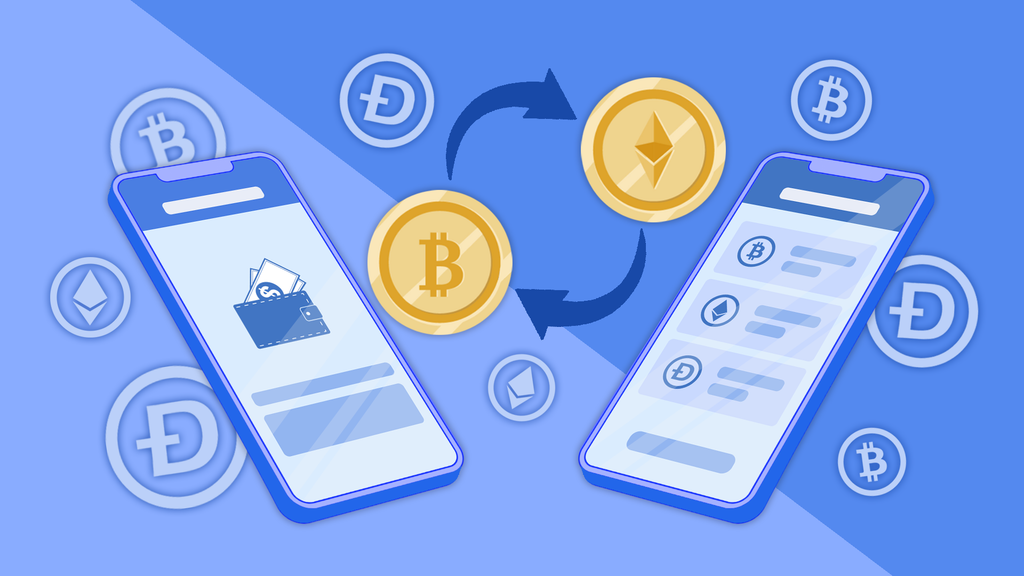
Cryptocurrency exchanges may look easy and simple on the surface, but there is a lot happening behind every buy or sell order. These platforms connect buyers and sellers, manage order books, and process transactions throughout the day.
Different from traditional markets that have fixed timing, cryptocurrency exchange work around the clock, including weekends and holidays. This flexibility makes a huge and critical difference for them.
Keep reading to learn how orders are matched, and why prices differ between exchanges—all from order to transaction.
From Money to Digital Asset
If a market participant chooses to exchange euros for Bitcoin on the server that supports the planned currency pair, the transaction is passed through the established market. For example, this may be BTC/EUR. The Buy Cryptocurrency button looks to be the final step. However, the process is only just starting. The platform compares the order with offers from other contestants. With a market order, the system uses current prices from the order book. With a limit order, a specific price is due. Such an order may remain vacant for some time.
In most of the cases, the order is completed instantly. The system is made in such a way that most of the transactions and exchanges involve a few seconds only. These processes are not traditional. Undoubtedly, technology serves a huge role in making this all work.
Why Bitcoin Exchanges Don’t Set a Single Price for BTC
Every Bitcoin exchange opens with a quote generated on its own trading platform. There is no particular global Bitcoin price set by a single firm. On one platform, the last trade may be at one price, while on another, it may be substantially higher or lower. The difference is due to liquidity and the current orders of those taking part. This leads to an unusual feature of the crypto market. Even the biggest platforms don’t set prices in isolation. They are isolated parts of a global market that constantly connect through the actions of their participants.
Also, explore 7 ways crypto APIs are driving the Web3 transformation.
Digital Currency Exchanges Operate Seven Days a Week
Digital currency exchanges stand apart from many traditional financial programs in their schedule. Cryptocurrency trading works around the clock. Saturday evening is still the same trading period for Bitcoin as Monday morning. This also impacts the charts. Daily candlesticks are made daily, and the market doesn’t pause for the weekend. A candlestick is a chart segment that shows the opening, closing, high, and low values for a given period. Round-the-clock operation includes constant quote updates, deposit processing, and ongoing oversight of the technical infrastructure.
There’s more stuff going on with a crypto exchange than just buying and selling. Behind the screen, it handles orders, prices, balances, and blockchain funding, all at the same time. Most of this takes place in the background, but it’s what keeps each trade moving without problems.
What Else Is Inside a Crypto Exchange?
Today, a crypto exchange rarely consists purely of a buy and sell form. The window includes charts, trade history, an order book, volume data, and multiple markets. Asset storage is a dedicated area. A centralized cryptocurrency exchange often manages user wallet services. Account deposits are recorded after the required confirmations in the blockchain. A modern digital currency exchange links the blockchain with the trading network. On one side are transactions of BTC, ETH, and other coins. On the other are directives, quotes, and trading pairs. It is at the junction of these two systems that a simple intention to purchase cryptocurrency turns into an honest market transaction.
This content is provided for informational use only and shall not be received as financial, investment, trading, or any other form of specialist advice. Nothing herein signifies a recommendation or solicitation to take part in any transaction or investment activity.
Also, explore the use of blockchain businesses beyond crypto.
Conclusion
In the end, a cryptocurrency exchange is more than a spot to click ‘Buy’ or ‘Sell’. It is a digital marketplace where orders from various participants are matched, prices change with supply and demand, and transactions connect with internal trading systems.
Each exchange will show different ones with slightly different prices because liquidity and present orders vary between platforms.
Also, for the fact that crypto markets run non-stop, the technology that makes them move continuously also needs to move in the same way and does not face difficulties as most financial markets do.
Exploring these aspects and their mechanisms can give you a clear view of how a simple order becomes an actual digital asset transaction.
FAQs
Ans: It simply matches buy and sell orders from users and makes the trade successful based on the type of order and prices available in the order book.
Ans: Yes. Most of the crypto exchange platforms are designed to allow trading 24/7, including weekends and holidays.
Ans: An order book shares active buy and sell orders based on the prices and quantities that traders are willing to accept.