Translation Apps Can Help at a Crash Scene, but Know Their Limits Before You Rely on Them
Just after a car accident, translation apps help drivers exchange basic information, ask for assistance, and communicate with emergency responders when needed. Knowing when to seek help from an auto accident attorney can also be important when language barriers create misunderstandings about what happened or how to handle a claim. These apps are useful in many ways, but they still have some limitations, like they are not always accurate enough for sensitive medical, insurance, or legal conversations. Understanding their limitations can help you communicate more clearly and make better decisions after a crash.
How Translation Apps Can Help After a Car Accident
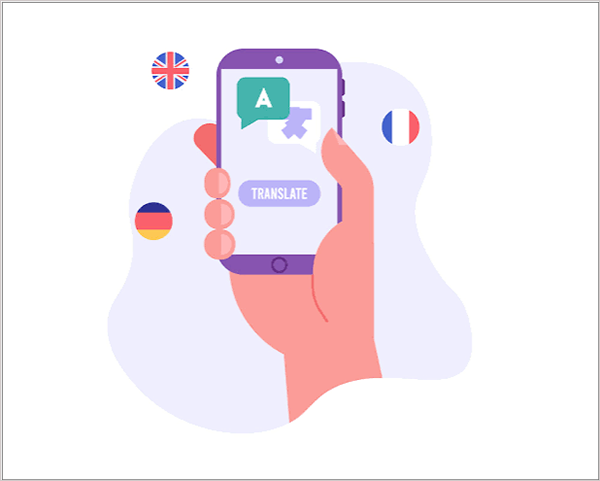
Translation apps can be very helpful after a car accident, especially when the drivers, passengers, or witnesses speak different languages. They can make it easier to exchange basic information, ask for emergency assistance, and understand general questions while everyone figures out what to do next. However, these tools work best for straightforward conversations and may not always get the information right when the situation becomes more complicated.
Where Translation Apps Can Fall Short at a Crash Scene
While translation apps can make communication convenient after a car accident, they are not always reliable when the details really matter. Background noise, unfamiliar expressions, and inaccurate translations can be confusing when discussing injuries, defining how the crash happened, or answering questions from police officers and insurance representatives. Knowing these limitations can help you recognize when it is optimal to ask for a qualified interpreter or other professional assistance.
How to Use Translation Apps More Safely
Translation apps can be useful at a crash scene, particularly when you need to communicate quickly with another driver, a witness, or an emergency responder. To avoid unnecessary confusion, it helps to use these tools carefully and know when a message might require clarification.
Keep Your Messages Short and Simple
Use short, direct sentences when communicating through a translation app. Instead of explaining everything that happened in one long message, break your thoughts into smaller parts that are easier to translate correctly. Avoid slang, jokes, and complicated expressions that might not make sense in another language.
Double-Check Important Translations
Do not automatically think that every translated message is correct, especially when discussing injuries, accident details, or contact information. If something sounds confusing, try rephrasing it and translating it again to see whether the meaning stays relevant. You can also ask the other person to repeat or explain what they understood before moving forward.
Avoid Guessing When Something Is Unclear
If you aren’t able to understand a translated message, pause and try to define it instead of assuming you know what the other person is saying. This can be particularly problematic when talking about the cause of the accident, the injuries involved, or responding to questions from law enforcement. If you’re having a conversation about a legal or insurance issue, you may want to request a professional interpreter and not a software.
Protect Your Personal Information
Be mindful of the data you enter into translation apps, especially if you are using an unfamiliar service or someone else’s phone. Avoid sharing sensitive details, such as financial information, passwords, or unnecessary personal records, through apps you do not trust. If you have to translate documents containing private information, check the AI document verification app’s privacy practices and consider using a more reliable method.
Use Translation Apps Alongside Other Forms of Communication
Translation apps are built to help you have a conversation, not be your sole source of information about what occurred. If it’s possible, gather photos, note,s details about the other vehicle, and contact details from any witnesses. If you need to check the meaning of a translated conversation, this information can come in handy.
When You Should Ask for a Human Interpreter
Translation apps are good for everyday situations, like having small talk after a car crash, but in some cases, you might need the help of someone who can speak with you more precisely. If your health or legal rights are at stake, or if you’re making an essential decision, finding assistance from someone with bilingual skills is better than struggling with a smartphone app.
Medical Emergencies and Injury Reports
If someone is harmed, clear communication with medical professionals is essential for receiving appropriate care. A medical interpreter who speaks your language can help explain your symptoms, allergies, existing medical conditions, and how the injury happened, without depending solely on an app. This is mainly important when misunderstandings could impact treatment decisions or delay initial care.
Police Reports and Official Statements
Having to speak to a police officer after an accident can be troublesome, let alone if you then have to try to do so in a foreign language. An interpreter can assist you in this situation by translating the police officers’ questions and translating back what you say so they know specifically what you mean. Make sure you understand the statement before signing it.
Insurance Claims and Legal Discussions
Claim-related discussions can involve complicated jargon, inquiries about your role in the accident, and even acceptance of a settlement payment that might not be sufficient to cover your losses. Your interpreter can ensure that you know what an insurance company or lawyer is saying to you, most of all when reviewing paperwork and settlement proposals. If you are unsure about your rights or being pushed to accept a payment, consult a lawyer for further clarification.
Complex Conversations About Fault and Liability
Explaining the circumstances of a collision may involve providing detailed information about the condition of the streets, the movements of cars, traffic signals, and witness statements. Interpretation apps can distort the facts and might shift the meaning of a significant statement, or turn a tentative report into a confident declaration. You may help a human interpreter but should not use an application.
When You Do Not Fully Understand the Conversation
Sometimes, even a seemingly convenient exchange can become confusing when an app translates an unfamiliar expression or misses part of a sentence. If you repeatedly have trouble understanding what someone is saying, asking for a qualified interpreter is the best way to avoid further confusion. It is better to take the time to understand the conversation than to make an important decision based on a translation you are not sure about.
Conclusion
Translation apps can be useful after a car accident, but knowing their limitations can prevent misunderstandings when medical care, police reports, or insurance claims are involved. When communication gets sensitive, a qualified interpreter and an experienced auto accident attorney can help you better understand your options and protect your interests. Above all, prioritize safety, keep accurate records, and make sure you understand essential conversations before making decisions that could affect your recovery.
FAQs
Ans: Translation apps can help drivers, passengers, witnesses, and emergency responders exchange basic information and ask for assistance.
Ans: Translation apps can struggle with background noise, unfamiliar expressions, and complex conversations. They can also mistranslate important details about injury or medication.
Ans: A human interpreter is advisable when discussing medical treatment, giving official statements to police, reviewing insurance documents, or making legal decisions.