Are Expensive Mountain Bikes Really Worth It?
Jump To Key Section
- What Makes Expensive Mountain Bikes Cost More?
- Do Expensive Mountain Bikes Perform Better?
- Understanding the Different Mountain Bike Price Ranges
- Does the Mountain Bike Brand Matter?
- Are Expensive Mountain Bikes More Durable?
- When Is Spending More on a Mountain Bike Worth It?
- How to Get the Best Value for Your Money
- Final Verdict: Are Expensive Mountain Bikes Worth the Investment?
- Frequently Asked Questions
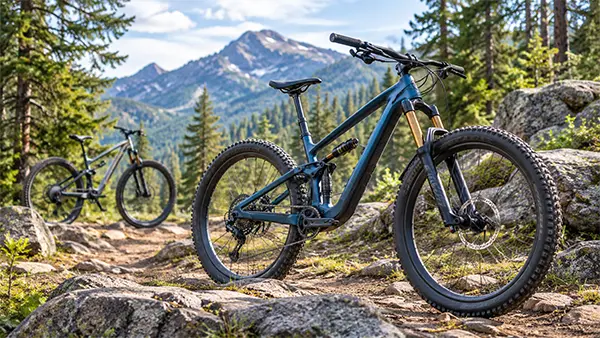
Mountain biking is an amazing sport to get into nature and keep active. A bike will bring quite an experience and sometimes become expensive. You also have choice to pick a good beginners mountain bike for some killometeres that will allow your spending much more dollars on high end ride with full suspension.
This eventually makes you wonder if there really is a difference in performance between the high-end mountain bikes.
Major gaps between mountain bikes will allow you to identify the quality of materials used in the frames, where suspension also needs to be considered. The brakes, wheels circulation, and drive experience makes more valuable. This offers you a more comfortable ride with better handling and controls. But this is not always the case when you choose a better ride by spending more. Think about your riding styles, experience you have, budget required on trailing routes.
You better know what type of spending will usually help you to pick the right valuable information about mountain bike with requirements without spending more.
What Makes Expensive Mountain Bikes Cost More?
Expensive mountain bikes usually consist of advanced frame materials, sophisticated suspension systems, and higher-end components which reflects in its built quality.
The biggest difference is frame structure. Many reasonable and mid-range mountain bikes use aluminum frames, which gives you a dependable balance of strength, weight, and cost.
More expensive mountain bikes will often have carbon fiber frames. Carbon fiber allows manufacturers to optimize frame weight, immobility, and ride characteristics through carefully engineered build quality.
Especially for some riders, carbon fibre is not the best option to consider. A well-designed aluminum frame can still provide outstanding stability, better durability, and proper handling.
Suspension technology also adds a premium to pricing. Expensive suspension forks and rear shocks often supply more refined damping systems, greater adjustability, and improved performance across irregular pathways.
Other upgraded features include lightweight wheelsets, advanced gearing, high-quality brake systems, and specialized tires.
These upgrades can enhance performance, but their value depends on how and where you ride.
Do Expensive Mountain Bikes Perform Better?
In many situations, premium models offer measurable performance advantages over entry-level options.
Advanced suspension can help maintain traction over rough terrain, improving control and comfort during demanding rides.
Lighter components can make mounting more efficient, while stronger brakes and carefully designed geometry can increase confidence on technical descents.
The contrast becomes less noticeable when riding somewhat smooth tracks or recreational routes.
For example, if you enjoys occasional weekend rides on moderate terrain may not fully benefit from a expensive carbon frame or competition-level suspension.
Meanwhile, an experienced rider on steep, rocky trails may benefit from the additional control, adjustability, and durability offered by a higher-end model.
Performance improvements are important when they address the exact need for your riding style.
Understanding the Different Mountain Bike Price Ranges
Mountain bikes are available across several price ranges, each offering different specifications.
Entry-Level Mountain Bikes: Under $1,000
Entry-level mountain bikes are generally created for beginners, recreational riders, and people exploring off-road cycling for the first time.
Many feature aluminum frames, front suspension, and basic gearing.
These usually do not have any advanced suspension adjustments or lightweight components, but if you choose a properly selected entry-level mountain bike, it can provide an enjoyable experience on particular trails.
Buyers should still pay close attention to frame fit, brake quality, and the bike’s intended use for a specific purpose.
Mid-Range Mountain Bikes: $1,000 to $3,000
Mid-range mountain bikes often provide a great balance between performance and price.
Depending on the model, they may have improved suspension, more capable brakes, a perfect gearing system, and geometry designed for technical trail riding.
This category includes both high-quality hardtails and full-suspension mountain bikes.
If you are a recreational or intermediate rider, a carefully chosen mid-range bike provides the features needed for years of enjoyable riding without the considerable cost of premium equipment.
Premium Mountain Bikes: $3,000 and Above
Expensive mountain bikes may feature carbon fiber frames, advanced suspension systems, lightweight wheels, and high-quality components.
Some are dedicated to competitive cross-country racing, while others concentrate on aggressive trail riding, enduro, or downhill performance.
Although these bikes can offer impressive capabilities, their advantages may be difficult to justify for riders who rarely encounter demanding terrain.
These price ranges are general guidelines rather than fixed classes, and specifications can vary extensively between manufacturers.
Does the Mountain Bike Brand Matter?
Brand reputation can affect pricing, but it shouldn’t be the only factor guiding your judgment.
Established manufacturers always invest heavily in research, frame development, suspension design, and model testing. These investments can contribute to higher retail expenses.
Choosing a bike with a recognizable logo doesn’t necessarily mean that a particular bike offers better value than all other models.
Brands such as Polygon, Marin, and Superior provide mountain bikes across different price points, allowing riders to compare specifications and intended uses instead of depending completely on brand popularity.
If you’re researching your options, BikesOnline’s advice on the best mountain bike brands offers useful considerations for evaluating manufacturers and picking a bike that matches your riding style.
When evaluating brands, look across marketing claims and concentrate on frame geometry, feature quality, warranty coverage, and customer support.
The best value usually starts with choosing a bike with the better components for your terrain instead of spending extra for brand recognition alone.
Are Expensive Mountain Bikes More Durable?
It’s easy to presume that a more costly mountain bike will eventually last longer, but durability is more complicated.
Excellent components are often designed to deliver better performance, reduced weight, or more accurate adjustments. These characteristics don’t always translate into resistance to further damage.
For example, lightweight racing segments always give importance to efficiency over the ruggedness needed for repeated efforts or heavy recreational use.
Likewise, expensive suspension systems demand regular supervision to perform efficiently.
A well-maintained mid-range mountain bike can offer many years of affordable service, while omitting premium bike components may develop problems regardless of its original cost.
Regular cleaning, maintaining gearing, brake assessments, and suspension servicing play important roles in long-term durability.
When Is Spending More on a Mountain Bike Worth It?
Investing in a superior mountain bike may make sense if you ride repeatedly, tackle difficult pathways, or participate in competitive challenges.
Experienced riders may witness significant differences in suspension performance, weight, handling, and braking consistency.
Spending more can also be beneficial when upgrading from a bike that no longer satisfies your needs.
For example, a rider progressing from smooth recreational trails to technical mountain trails may benefit from better suspension and better component stability.
For beginner riders, they don’t necessarily need expensive equipment to develop their skills.
Learning proper braking strategies, enhancing balance, understanding trail conditions, and building confidence can create a greater impact on early riding adventures than purchasing the most expensive bike available.
How to Get the Best Value for Your Money
Before making a purchase, specify the features that you depend on most for your riding style.
Rather than focusing entirely on price, compare bikes based on their planned tracks, geometry, suspension, and overall component package.
Consider these practical strategies:
- Getting the right fit: A comfortable, correctly sized bike is more useful than an expensive model that doesn’t suit your body.
- Compare full specifications: Two bikes with matching prices may have extremely different suspension, brakes, and drivetrains.
- Don’t try to upgrade unnecessarily: Buy components that improve your actual riding adventure.
- Consider servicing costs: Expensive suspension and specialized components may require more expense in servicing.
- Breakdown warranty and support: The best manufacturer assistance can improve the long-term ownership deal.
- Look for seasonal promotions: Discounts on previous-season models may improve opportunities to buy better model parts within your budget.
The goal is to find a bike that delivers dependable performance without spending on features you may never use.
Final Verdict: Are Expensive Mountain Bikes Worth the Investment?
Expensive mountain bikes can definitely be worth the money, but not for everyone.
Premium prototypes often deliver improved suspension, lighter components, and better handling that experienced riders can enjoy on demanding routes.
Recreational cyclists and beginners enjoy amazing mountain biking experiences without paying thousands of dollars for a bike.
Many riders will eventually focus on a well-equipped mid-range mountain bike that offers the strongest balance of affordability, performance, and best value for money.
Before purchasing, consider what trails you ride, how frequently you ride, and which features will genuinely improve your riding experience.
At last, the best mountain bike is not necessarily the one with the highest price tag. It’s the one that fits your needs, helps your riding goals, and gives you the confidence to enjoy every adventure tour.
Frequently Asked Questions
Ans: Not necessarily. A budget hardtail mountain bike or mid-range option will be sufficient for beginners and has better brakes, comfortable frames, and good suspension.
Ans: Carbon mountain bikes are great if you’re looking for low weight and flexibility with your frame. For recreational cycling, quality aluminium bikes often provide better value.
Ans: If you have a budget of between $1,000 and $2,500, you can get a great value mountain bike suitable for recreational and regular use. If you get into technical riding, then this could be more of an investment.
Ans: If you have a budget of between $1,000 and $2,500, you can get a great value mountain bike suitable for recreational and regular use. If you get into technical riding, then this could be more of an investment.
Ans: No. Even high-end mountain bikes will need regular cleaning, oiling, checking, and servicing of your suspension. You may also find that parts are more expensive to fix or replace.