Related Posts
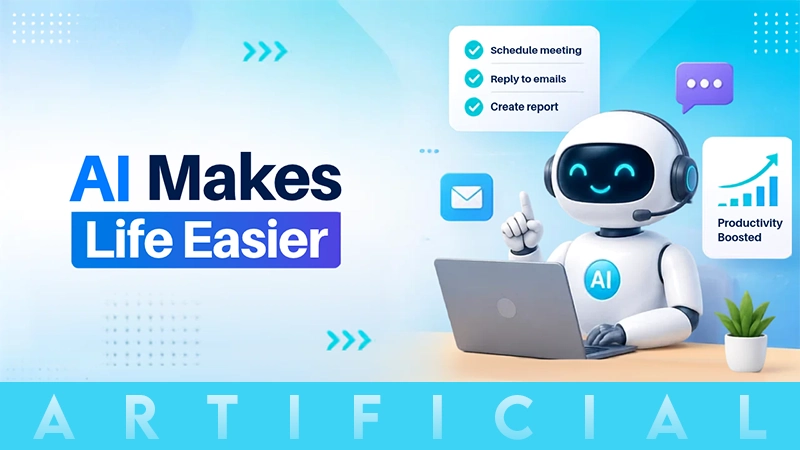
You wake up in the year 2030 and before you drink your coffee a digital system has completed your day schedule while responding to common emails and scheduling a meeting with three independent digital systems. This shows how artificial intelligence will develop into a human world which matches artificial intelligence science fiction movies.
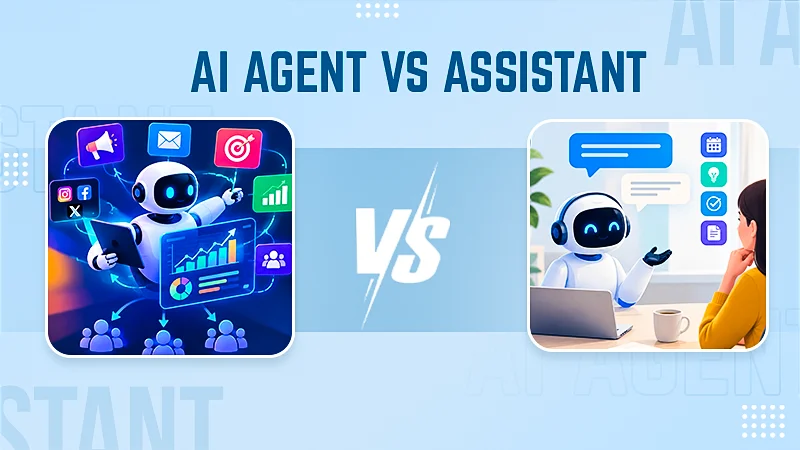
AI Agents represent a complete advancement beyond existing chatbot technology. An agent will perform tasks while standard AI systems provide answers to user inquiries. The systems operate as independent software that enables users to observe their surroundings while they work with digital tools to achieve their objectives without needing human assistance.
They function as digital partners instead of operating as mobile applications. The system tracks weather conditions and when it starts to rain, it automatically adjusts your outdoor lunch meeting schedule.
By 2030 these systems will probably perform almost 40 percent of standard digital tasks. The shift provides multiple advantages which lead to complete transformation of operations.
The system allows businesses to operate throughout different time zones because its agents work continuously without breaks to solve customer problems and process information while human workers sleep.
The first organizations that adopted this technology are experiencing productivity improvements that reach 40 percent. People can dedicate their time to important strategic planning work when they assign their lesser tasks to others. Through AI agents, one entrepreneur can manage a business operation that used to need twenty employees to function.
The development of AI agents future needs to face multiple obstacles that exist between desire and actual realization of this goal.
We require distinct moral frameworks that will stop these technologies from following discriminatory patterns that already exist.
The shift toward autonomous software is inevitable, but it doesn’t mean humans are being replaced. Our work responsibilities are shifting into new formats. The future belongs to those who learn to ‘orchestrate’ these digital agents.
People in 2030 will consider working with AI as a basic skill, which exists today in smartphone use, because this partnership between humans and machines will create a completely new contact between both parties.