Related Posts
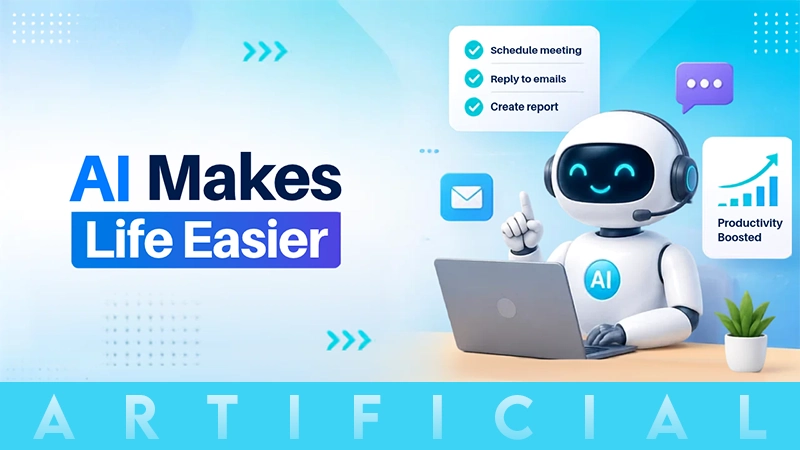
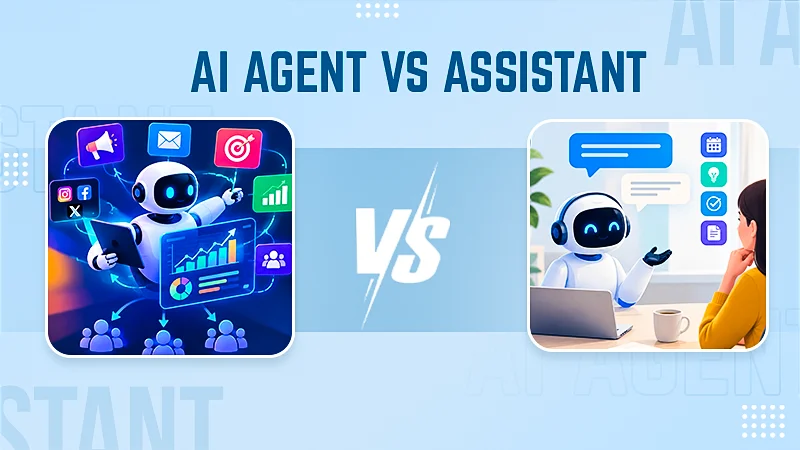
Traditional software apps often run like they are in silos. Workers spend their days doing that thing where they bounce between separate tools, like email, project tracking, and calendar scheduling. But now there’s this big change underway, because personal AI assistants are starting to take over those scattered chores.
And unlike the older, rigid automation tools that just follow strict rules, these newer systems actually grasp human context, and they work through natural language.
So instead of making users juggle multiple app screens, a smart assistant kind of becomes one, unified layer, handling messy workflows pretty much autonomously.
Honestly, managing a modern inbox plus calendar can feel like a second job. Smart assistants are shifting that, by learning your individual habits and then taking over the routine coordination parts.
Rather than sending a bunch of back-and-forth emails just to locate a meeting time, the assistant checks calendars, weighs priorities, and defends deep work blocks automatically.
The system reads what comes in, spots urgent client requests, and drafts replies with the right kind of professional voice, not just some generic response.
These tools can join virtual meetings, transcribe everything, and then push action items out to the team right away.
Traditional project management apps lean on manual data entry to keep timelines consistent. A digital assistant removes that burden by monitoring progress across different platforms on its own.
It can slice a bigger project into smaller milestones, forecast where delays might show up, and even reshuffle tasks if a team member looks like they are overextended.
Furthermore, data research becomes incredibly fast. Instead of digging through multiple files and apps, a user can just ask the assistant to synthesize a wide-ranging report from company data in seconds, basically.
Stepping away from scattered applications toward one central assistant has obvious upsides for business growth:
The days of leaning on dozens of single-purpose desktop and mobile apps are winding down. When scheduling, communication, and data analysis are combined into one intelligent interface, personal AI assistants start to set a new norm for how work gets done.