Why Proper Material Storage and Handling Matter for MRO Supplies
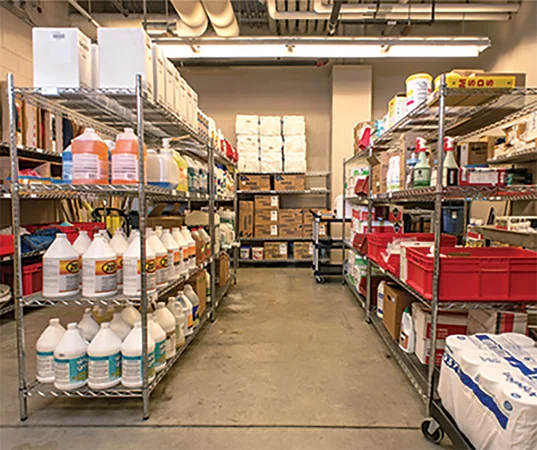
Even if a maintenance crew has all the necessary tools available, the improper storage of such materials may cause a lot of trouble. A gasket that is not in good condition, a corroded fastener, or a contaminated lubricant can cause a delay that will cost you a lot of money.
That is the reason why the management of MRO supplies requires more than just procuring good quality products. It is equally important for companies to take into consideration where the materials are stored, how they are stored, and how the staff handles them.
Small improvements in storage and handling can protect valuable inventory, reduce unnecessary waste, and keep essential maintenance work on schedule. Understanding these practices helps businesses maintain equipment and support smoother daily operations.
Material Quality and Storage Conditions
Appropriate storage will enable the retention of the initial quality and performance of the MRO supplies. Most industrial products have the habit of deteriorating under excessive exposure to moisture, light, heat, dust, or chemicals. In particular, rubber products and gaskets are liable to get brittle, lose flexibility, and be damaged due to inappropriate storage conditions. Metals may become corroded when exposed to moisture for a long time. Temperature control, humidity management, and isolation from damaging factors will contribute to avoiding these negative effects.
There is a need for some MRO products to be stored under special circumstances because of the nature of the material and product. Special materials such as sealing items, insulation supplies, and other components should be stored in a manner that prevents their exposure to environmental factors. Thus, fiberglass rope should be kept in a clean and dry place. Compliance with the recommendations by manufacturers will help keep the items usable.
Inventory Organization and Accessibility
A proper storage system helps the maintenance crew to identify the materials that will be needed for maintenance purposes. In cases where materials are stored based on the category, size, uses, or equipment compatibility, it becomes possible to easily pick out materials to be used for replacement without having to waste much time looking at the unarranged storage shelves. Efficient arrangement and labeling of materials also reduce the risk of picking up wrong materials during the process of maintenance.
Efficient organization of inventory assists firms in monitoring their stock levels and the materials that need to be ordered. Recording of supply materials received, materials currently stored in the inventory, and materials that are frequently used assists the procurement team in making decisions. The company avoids ordering extra materials that are not necessary while ensuring that there are materials available at all times for maintenance purposes.
Safe Handling and Material Protection
The manner in which workers handle MRO supplies can also impact the condition and utility of these supplies. Dropping supplies, dragging materials over rough areas, and improper storage of heavy materials can result in physical damage to the supplies, although it may not be noticeable all the time. There are certain supplies that need special handling, such as seals and precision components. The workers must know how to properly lift, transport, and store different materials so that they do not physically damage the materials.
There must also be appropriate handling systems with regard to worker and product safety. Certain maintenance supplies have sharp edges, irritating fibers, chemicals, or special handling considerations. By providing adequate safety measures, workers will be able to work on maintenance supplies safely without risking damage to the materials.
Maintenance Efficiency and Equipment Reliability
Availability of adequate maintenance supplies ensures that maintenance work is done effectively and efficiently. However, in cases where the replacement parts have been found to be contaminated or scarce, what may initially appear as simple procedures may become difficult. This may cause employees to delay performing maintenance duties while new parts are obtained or other materials are evaluated for use. This may affect production and increase costs because some pieces of equipment will be unusable.
The condition of material is also important for ensuring the effectiveness of maintenance done. In the process of carrying out maintenance, the use of damaged, deteriorated or corroded gaskets, fasteners, and insulation products can lead to future breakages requiring further maintenance work. Where equipment relies on good sealing, use of adequately stored supplies guarantees constant surface contact, which prevents leakage. Companies that ensure their MRO supplies are safe can guarantee quality of maintenance.
Cost Management and Waste Reduction
Improper storage and handling will create additional expenses aside from the initial cost of purchasing MRO materials. Materials that end up becoming damaged will have to be replaced much earlier than the expected time, thereby increasing costs of purchases and wastage. Companies may even incur higher labor costs since it will take effort from staff to identify these damages, procure new materials, and perform maintenance procedures again. Good protection of these materials from the start will help avoid such unnecessary costs.
Effective storage processes will also allow companies to practice responsible procurement and inventory management. If the materials are well protected, then the firms can use the current materials and not place orders. This way, checking the conditions of storage and rotating the materials as per the manufacturer’s instructions will reduce cases of old materials being ignored. This strategy will come in handy especially for companies with large inventories of customized parts and bulk purchases of materials.
Material storage and handling form an integral component of an effective MRO approach. Storage and handling of materials in an appropriate manner assist companies in ensuring the quality of their supplies and minimizing wastage. It will also be easier for companies to have access to materials that are essential for them and conduct maintenance activities more efficiently, while avoiding the risk of damage to industrial equipment due to inappropriate replacement of the components. The aspect of material storage being considered a major process helps organizations manage their maintenance resources better.
FAQs
Ans: MRO stands for maintenance, repair, and operations. Examples of MRO supplies include the items that businesses require to keep their machinery maintained and to support their normal operations, such as fasteners, tools, spare parts, lubricants, sealants, and other supplies.
Ans: Arrange materials according to their type, size, use, or compatibility with equipment. The use of labels and accurate inventory will help identify materials easily.
Ans:Humidity, changes in temperature, sunlight exposure, dust, chemical substances, and improper positioning can spoil industrial materials. Some types of materials need certain conditions for being stored.
Ans: Good storage guarantees the proper quality of replacement parts and maintenance materials. The usage of good materials will prevent any equipment leaks and breakdowns.