How GPS and Fleet Tracking Technology Can Reveal Truck Driver Negligence
Jump To Key Section
- How Fleet Tracking Technology Works
- Why GPS Records Matter After A Truck Accident
- Speeding Can Leave A Digital Trail
- Hard Braking And Aggressive Driving Events
- Driving Hours Can Reveal Fatigue
- Unexpected Stops May Raise Important Questions
- Route Data Can Verify What Really Happened
- Take The Next Step After A Truck Accident
- FAQs

A truck accident can leave victims searching for answers, especially when the driver claims they followed all rules. Imagine a collision where both drivers tell varying stories. In this situation, it becomes very difficult to determine what really happened.
This is exactly why organizations utilize modern fleet tracking technology, allowing them to provide an objective record of what happened before, during, and after a crash, making it a valuable source of evidence in injury claims and more.
This article highlights the uses of modern fleet tracking technology and why documented and unbiased records are important after incidents.
How Fleet Tracking Technology Works
Commercial trucking companies depend on fleet management systems to monitor vehicles throughout every trip. These platforms combine GPS technology with onboard sensors and electronic logging systems to collect accurate information about driver activity and vehicle performance.
The information is forwarded in real time or stored for later review. Investigators, attorneys, and insurance companies may examine these records to better understand the events leading up to a collision.
Common data collected by fleet tracking systems includes:
- Vehicle location
- Travel routes
- Speed history
- Driving hours
- Idle time
- Sudden braking events
- Engine performance
- Stop durations
Why GPS Records Matter After A Truck Accident
Unlike personal recollections, digital records are formed automatically as a truck travels. Time-stamped information can help establish an accurate timeline and identify inconsistencies in statements made after the crash.
If the truck accident occurred in Oklahoma, GPS records can help determine whether the driver stayed on the expected route, exceeded speed limits, or violated federal hours-of-service regulations while traveling on major trucking corridors such as I-35 or I-40.
Anyone looking to get compensation after a truck accident may benefit from evidence showing that a driver violated safety regulations or company policies. GPS and fleet tracking records often support witness testimony and physical evidence gathered at the accident scene.
Speeding Can Leave A Digital Trail

Excessive speed remains one of the leading causes of serious commercial truck crashes. Fleet management platforms continuously monitor vehicle speed, allowing investigators to compare driving behavior with posted speed limits and road conditions.
Even brief timelines of speeding may become significant when a collision occurs. A history of repeated speeding violations could also suggest a pattern of unsafe driving instead of an isolated mistake.
Hard Braking And Aggressive Driving Events
Many fleet systems automatically identify sudden braking and other aggressive driving behaviors. Although emergency braking is sometimes unavoidable, repeated incidents may point to unsafe following distances, distracted driving, or excessive speed.
Investigators often compare braking data with traffic conditions, weather, road design, and witness statements. A pattern of harsh braking throughout a route may display risky driving habits long before the collision happened.
Driving Hours Can Reveal Fatigue
Federal regulations limit the number of hours commercial truck drivers may remain behind the wheel before taking required rest breaks. Electronic logging devices work alongside fleet management systems to record driving duration with much greater accuracy than handwritten logs.
Reviewing these records may uncover violations such as:
- Driving beyond legal hour limits
- Missing required rest breaks
- Inaccurate log entries
- Driving during required off-duty periods
Driver fatigue slows reaction times, affects decision-making, and increases the likelihood of serious accidents.
Unexpected Stops May Raise Important Questions
Fleet tracking systems also take into account when and where trucks stop during a trip. While many stops are routine, unexpected delays or unexplained route changes sometimes become relevant during an accident investigation.
Investigators may review stop records to determine if a driver was delayed, took unauthorized breaks, deviated from an assigned route, or spent long periods parked before returning to the road.
Route Data Can Verify What Really Happened
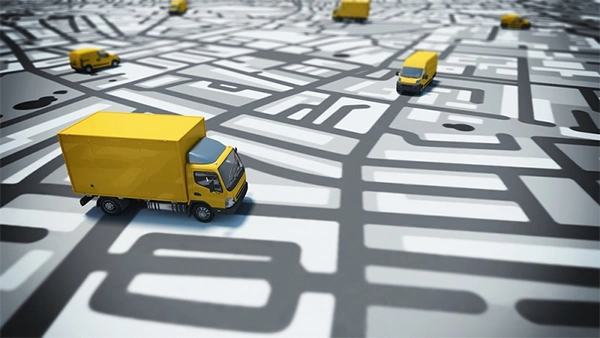
GPS history provides more than a vehicle’s location. It creates a definite record of the truck’s entire route, making it easier to confirm or challenge statements about where the driver traveled before the collision.
Route information may reveal:
- Unauthorized detours
- Missed delivery locations
- Unexpected route changes
- Travel through restricted areas
- Delays that affected delivery schedules
When combined with surveillance footage, dash camera recordings, and witness accounts, route history usually creates a much clearer picture of the incident.
Take The Next Step After A Truck Accident
Understanding how GPS and fleet tracking technology can reveal truck driver negligence provides injured victims a clearer picture of how commercial vehicle accidents are investigated.
FAQs
Ans: Route information reveals:
- Unauthorized detours
- Missed delivery locations
- Unexpected route changes
- Travel through restricted areas
Ans: Investigators may review records to determine if a driver was delayed, took unauthorized breaks, deviated from an assigned route, or spent long periods parked before returning to the road.
Ans: Fleet management platforms continuously monitor vehicle speed, allowing investigators to compare driving behavior with posted speed limits and road conditions.