What is Cloud Computing? Working, Service Models, & Business Transformation
Streaming and photos create a massive data crush, which is not something that local servers can handle. The shift to cloud computing fixes this issue by renting global and infinite digital space to reach millions right away.
People who want to know what is cloud computing need to understand the fundamental concept of cloud computing, which delivers computing services through internet access.
How Does the System Actually Work?
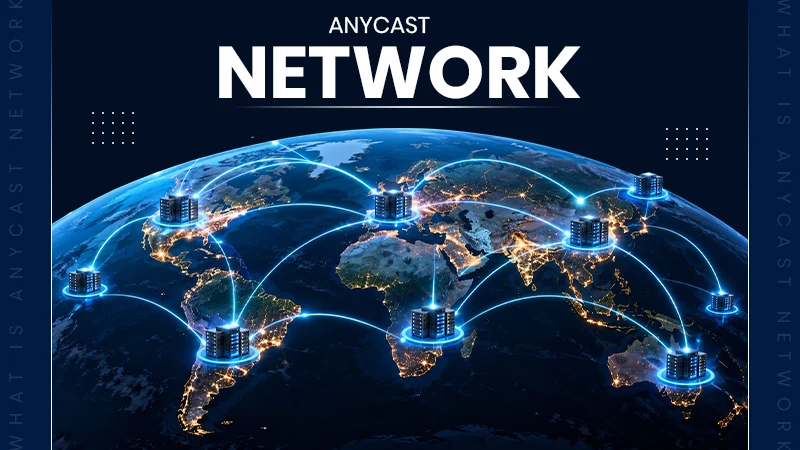
The core premise of this technology relies on letting someone else manage the heavy lifting. Technology companies operate huge data centers that contain massive amounts of computing resources.
The users reach the shared resources through their internet connections. The system functions like a utility service, which enables businesses to connect to the main power grid.
The Three Main Service Models
The technology industry typically divides these internet-based services into three distinct categories:
- Infrastructure as a Service (IaaS)
It delivers the fundamental building components that organizations need to construct their digital IT environments. Companies keep complete control over their operating systems.
- Platform as a Service (PaaS)
It provides an on-demand environment for software development. Developers can easily create web or mobile applications without worrying about setting up.
- Software as a Service (SaaS)
It is the most widely recognized form for everyday consumers. Users can access complete software applications through their web browsers by paying a subscription fee.
Public, Private, and Hybrid Environments
Organizations choose different deployment methods based on their specific security and performance needs. Public models use internet connections to share resources among multiple customers.
Dedicated resources in private models serve only one business, which usually operates from an on-site location to ensure maximum protection. Hybrid models enable users to access private and public resources while transferring information between both environments.
Why Are Businesses Making the Switch?
Companies abandon traditional server rooms because understanding cloud computing answers their questions about its value.
- Cost Efficiency
It removes the need for businesses to spend large sums on acquiring hardware.
- Agility
Teams can establish resource access within a few minutes instead of waiting several weeks.
- Scalability
Systems expand their capacity to handle increased demand without any delays.
- Maintenance
Service providers manage all significant system updates while enabling teams to concentrate on developing new products instead of fixing equipment problems.
Conclusion
The complete comprehension of cloud computing requires people to understand how it functions as the hidden power source that operates all digital systems in today’s world. The system enables organizations to back up their data continuously while it maintains operational excellence for their most demanding business applications, which need international support.