How to Safely Start Investing in Crypto
Jump To Key Section
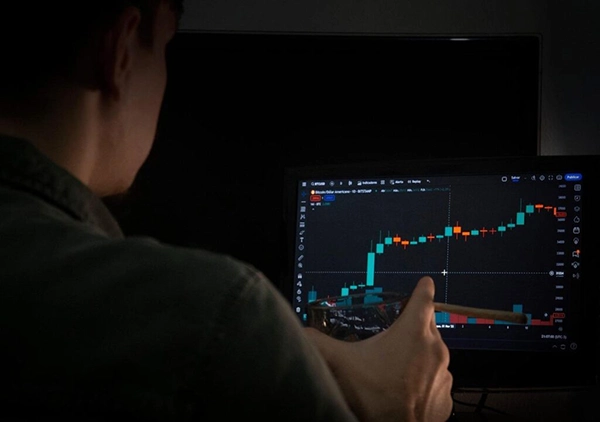
Just a few years ago, the idea of digital money seemed like imaginative fiction. Today, it is a global reality that the total cryptocurrency market cap is expected to grow to approximately $4.1 trillion, a powerful signal that digital assets are now a significant and sustainable asset class.
Yet, for many, this explosive growth comes with a siren song of volatility and risk. Resist the temptation to buy bitcoin with credit card during price surges driven by hype, as borrowed money amplifies losses during inevitable corrections that follow euphoric rallies.
You’ve heard stories of the best 1000x crypto in 2025, but the fastest way to lose money is to chase it blindly. This guide provides an approach to safely navigating the crypto landscape. This ensures that your first bet on Bitcoin, Ethereum, or the next promising altcoin is strategic, safe, and measured.
KEY TAKEAWAYS
- Always start by reading a project’s whitepaper and vetting the development team and community.
- Use a secure and regulated exchange and immediately enable Two-Factor Authentication.
- Never invest more than you can afford to lose.
- Adopt a rules-based strategy to avoid emotional decisions.
- Be mindful of transaction fees and understand your country’s tax obligations.
How Does Crypto Work?
It is important to understand what cryptocurrencies are before you venture into the crypto market. These are digital tokens built on blockchain technology. This technology is, importantly a decentralized ledger that securely and transparently tracks all transactions. It differs from the conventional banking system, which relies on a centralized banking authority, and it does not use physical money.
These assets are completely digital, but are often used as a form of payment for physical assets. There are currently more than 15 million cryptocurrencies, but many of them are not active or liquid. Regardless, the number keeps going up many times yearly. Even for seasoned investors, this is overwhelming.
Step 1: Research The Market Before You Buy
What sets a smart investor apart from an impulsive buyer is research, and this often requires vetting different metrics from the market. Begin by reading out a project whitepaper. A whitepaper shows in detail the purpose of a coin, its technology, and its roadmap.
Look up the past projects, developmental team, and the communities supporting the project.
A good rule of thumb is that if the project is not clear about its purpose and partners, it is not worth your time and money. Invest in projects that have proven to be reputable over time or offer specific advantages that are difficult to replicate and promise broad market adoption.
Don’t involve any asset that is driven by pure speculation and has no market value. Also, keep an eye on the market by monitoring relied crypto news platforms like Cointelegraph or Decrypt to stay informed on major developments and regulations in the crypto world.
Step 2: Get a Secure Exchange Platform
Once you are ready, get a secure and regulated exchange. Investors in America often favor sites registered with FinCEN or any entity operating under state laws. Centralized exchanges are quite easy to navigate and explore, but often require identity verification.
However, using decentralized exchanges (DEXs) is ideal for users who prefer more control and privacy and favor FinCEN, but it requires a higher technical understanding. Whatever type of platform you choose, verify URLs to avoid phishing, always enable two-factor notification (2FA), and make sure your passwords are hack-proof.
Step 3: Start Small and Diversify
The long-term trend for crypto can be extremely profitable, but since it is volatile, investors are a bit skeptical about how to invest. Although there are many chances to get impressive returns on investments, the number one golden rule of investment is to never invest more than you can afford to lose.
Diversification is also another essential aspect of investing to consider. Spread your funds across several assets. Rather than investing in a single asset, mix well-established coins like Ethereum, Bitcoin, and USDT with promising smaller projects with the potential to mitigate risks.
A good investor should always check the market trends to get an idea of what’s going on. It is also wise to fund your emergency savings before dedicating the remnants to crypto.
The total market cap of all cryptocurrencies is about $4.1 trillion, which is a clear signal that investors believe in these digital assets as of October 2025. Once you are ready to invest, keep your allocations low, ideally not more than 5% of your total investment portfolio. This approach allows you to capture the possible high returns of the crypto market while effectively limiting the damage to your overall financial health if losses occur.
Step 4: Secure Your Crypto: Your Wallet is Your Vault
Once you have gotten your crypto, security becomes your priority. Exchanges are vulnerable to hacks, so move your coins to secure wallets as soon as possible.
There are two types of wallets, each with a different trade-off between convenience and security:
- Hot Wallets: These types of wallets are software or web-based wallets that are linked to the internet. They offer convenience for frequent trading but are more vulnerable to online threats.
- Cold Wallets: These are physical hardware devices that store your crypto completely offline. They are the safest option for storing large or long-term holdings.
If you want to learn how to move USDT cross-chain safely, you can use deBridge. With deBridge, you can perform real-time, native transfers between supported chains without relying on wrapped tokens or liquidity pools. For example, you can transfer USDT from Ethereum to Tron or Solana directly to your wallet, keeping your assets secure while accessing other blockchain ecosystems.
Step 5: Stay Updated On Market Trends
Since the crypto market is unpredictable, it is critical to monitor legal and regulatory shifts like the impact of the 2021 China mining ban. Different administrations have distinctive stands on crypto. These are essential signs that can significantly affect prices and yields.
Also use technical and on-chain indicators such as moving averages and transaction fees to inform entry/exit timing, but always maintain a long-term perspective. To avoid emotional decisions, try as much as possible to adopt a rules-based strategy. You should also follow trusted analysts and prioritize fact-based updates about viral predictions.
Common Mistakes New Investors Should Avoid
Many investors make several mistakes on repetitive mode. Note them down to avoid:
- FOMO: The market can be overwhelming, and the fear of missing out on trending tokens is one of the most significant ways to incur losses.
- Ignoring Fees: Always check your transaction fees since they sometimes eat deep into profits.
- Overtrading: Consistently trading usually leads to emotional burnout and clouds judgment.
- Avoiding Taxes: Some countries, like the US, require traders to report every single gain to the IRS.
To Wrap Up
Investing in crypto is a high-risk endeavor and should be taken with the help of thorough research and discipline. The market is constantly evolving and tends to be volatile. However, it also provides remarkable profits for those patient enough to learn the basics of how crypto investments systems.
Ans: The number one golden rule is to never invest more than you can afford to lose.
Ans: Keep your allocation low, ideally no more than 5% of your total investment portfolio.
Ans: Start by reading the project’s whitepaper, development team, their previous projects and supporting community. Look for transparency and specific benefits that are difficult to copy.
Ans: For small businesses, use seller discretionary earnings (SDE).