Why Entertainment Centers Tame Living Room Clutter
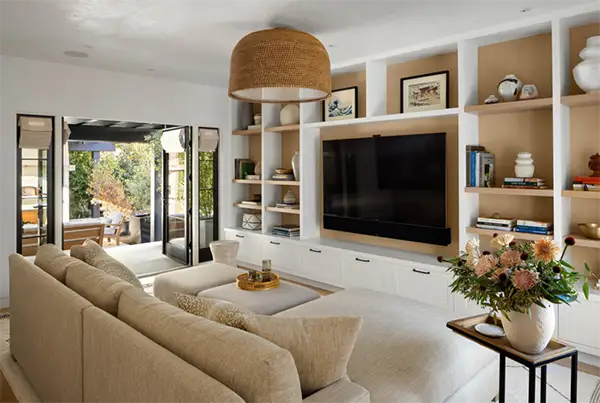
The modern living room does a lot more than host the television. It holds streaming devices, gaming systems, speakers, remotes, and so much more. As these layers build up, the room loses definition. What used to feel calm starts to look unfinished.
This shift explains why entertainment furniture matters more now, as it serves multiple purposes at once. It changes how wires flow through a room and how the seating area reads at a glance. When the choice is correct, it acts less like background furniture and more like quiet infrastructure.
This article explores the changes it brings to the place and how this furniture keeps gaining importance in modern times.
Key Takeaways
- An entertainment center transforms the existing pattern of a wall into a clean and managed zone, supporting items around it.
- Smart storage solutions enhance the look of an area, making it appear clean and organized from all angles.
- It is important to organize the central focus of a room, and when that is taken care of, the majority of problems are dealt with.
- These solutions are favoured more in modern times as they solve many problems at once using smart methods.
The Living Room’s Real Traffic Pattern
Clutter in living rooms is rarely random. It collects where people pause. The area around the television becomes one of those zones because it attracts both activity and objects.
A remote gets dropped there. A charging cable stays out because it is used often. A speaker, router, game controller, or stack of cases remains in sight because there is no easier system nearby.
This creates a pattern that many rooms repeat. The larger the screen setup becomes, the more support items gather around it. Open surfaces fill first. Open shelves follow. Then the floor starts carrying overflow, usually in the form of baskets, cords, or devices waiting to be plugged in later.
An entertainment center transforms that existing pattern by turning one busy wall into a clean and managed zone, redefining boundaries, and giving objects a category instead of letting them float across the room.
Closed storage reduces visual noise, while shelves and compartments create limits that force better decisions about what actually belongs there.
Storage Changes Behavior
People often think of clutter as a cleaning problem. In most living rooms, it is a storage problem first. Items stay out when putting them away feels slower than leaving them where they are. That is why storage built into a high-use furniture piece changes behavior more effectively than a separate fix added later.
Drawers can hold remotes, chargers, manuals, batteries, and small accessories that usually end up scattered. Cabinets can take in larger devices that do not need to be seen all day.
Additionally, open shelves support the few items that benefit from such access, such as a sound system or gaming console. Once the room has those segments, everyday cleanup takes less time as the decisions are already made.
This is where entertainment center furniture shifts from a decorative choice to a practical tool. It supports the habits that keep a room usable. Instead of asking the household to be more disciplined, it gives the room a structure that makes order easier to maintain.
The Visual Weight of Technology
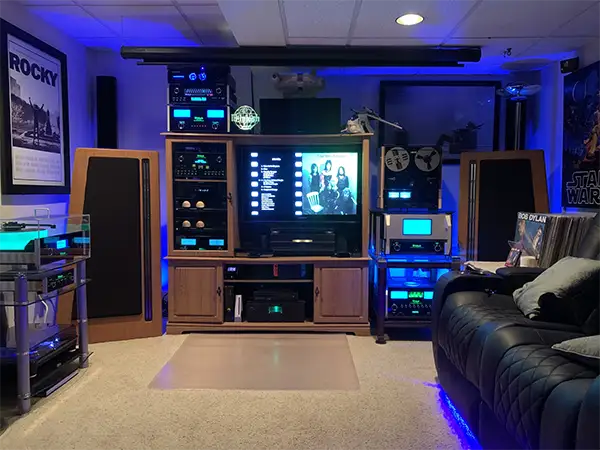
Screens already dominate attention. When cables, blinking boxes, and uneven stacks surround them, the room takes on a harder edge. Even expensive finishes elsewhere in the space struggle to balance that effect. The issue is not technology itself. The issue is unmanaged visibility.
A strong media piece softens that visual weight. It creates a base under the screen, which helps the wall feel grounded. It also introduces rhythm through doors, shelves, wood grain, or repeated lines. Those details matter because they turn a tech-heavy setup into part of the room rather than a disruption inside it.
This is one reason why entertainment furniture changes the entire living room, not just the television area. When the central media appears organized, the rest of the room starts to appear more intentional.
Sofas, rugs, side tables, and lighting stop competing with loose equipment and start working as a complete arrangement.
Pro Tip
Decide if the area is primarily for entertainment, lounging, or playing, then arrange furniture that supports the chosen activity.
Size Does More Than Fit the Screen
Many people shop for a media unit by matching it to the television size alone. That solves only one part of the problem. Width matters, but so do depth, storage capacity, and the amount of enclosed space available for everything that usually lives nearby.
A piece that is too narrow leaves no room for balance. A piece that is too shallow struggles to manage devices and cords. A piece with no concealed storage may fit the television but fail the room. The better question is not whether the unit holds the screen. It is whether it supports the full routine around the screen.
That routine includes watching, charging, pausing, storing, and resetting the room after use. Once furniture is chosen with those functions in mind, the living room starts feeling easier to use on ordinary days, not just cleaner in photos.
Why This Furniture Keeps Gaining Importance
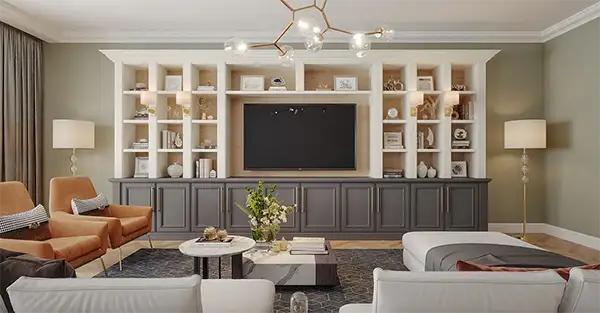
The entertainment area has become one of the few places where design, technology, and storage meet every day. That makes it a pressure point. When it works, the room feels settled. When it fails, clutter spreads fast, and the whole space feels busier than it is.
Entertainment centers are valued as they solve several living room problems all at once by supporting viewing, containing devices, reducing visual distractions, and overall creating a more stable layout. In practical terms, they help the room hold its shape.
This category remains relevant. Styles change, screens change, and devices change. The need for a living room to feel organized, functional, and visually calm does not.