Crypto-Friendly Wealth Management: How to Approach Digital Assets
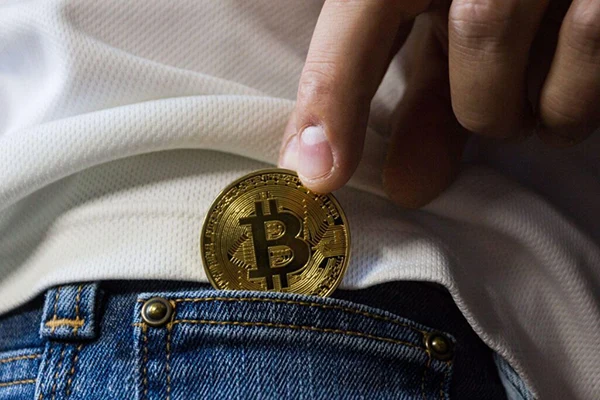
Managing wealth in the modern landscape looks a lot different than how it did a decade ago. Stocks, cars, and real estate still have their place, but digital assets have taken center stage in serious financial planning.
It isn’t only for early tech adopters, but for all investors who want greater exposure to a growing asset portfolio, allowing them to have a balanced asset selection that gives them benefits over time.
This article explains how you can approach crypto with clarity and know where to exchange without getting burned.
Key Takeaways
- The right exchange is the operational backbone of your crypto strategy
- Start with assets that have liquidity, meaning you can exit a position without moving the market against yourself
- Bitcoin and Ethereum establish the foundation for many portfolios. From there, investors can include mid-caps like Solana or Chainlink
- Selling during that window triggers short-term rates, which are often taxed as ordinary income
Choose a Crypto Exchange
Before any trade happens, you need to pick the right platform. A crypto exchange is where you’ll spend most of your time, so the criteria matter. Platforms like switchere.com — which lets you buy crypto directly with a card — represent the type of accessible entry point that has lowered the barrier to crypto ownership. When evaluating any exchange, look for:
- Licensing and regulatory compliance in your region
- Clear and defined fee structure with no hidden withdrawal costs
- Support for payment methods that are actually usable, such as cards, bank transfers, or e-wallets
- A clear KYC process that confirms the platform operates above board.
Remember, the right exchange is the operational backbone of your crypto strategy.
Buy Crypto: What Actually Matters
A lot of guides stop at “buy Bitcoin and wait.” That’s not wealth management, that’s a gamble. Here’s what a more deliberate approach looks like.
Asset Selection
Start with assets that have liquidity, meaning you can exit a position without moving the market against yourself.
Bitcoin and Ethereum establish the foundation for many portfolios. From there, investors can include mid-caps like Solana or Chainlink, though these are known to carry more volatility.
Timing Your Buys
Dollar-cost averaging (DCA) remains one of the most practical ways to build crypto exposure over time. Instead of trying to time the market, you invest a fixed amount at specified intervals (weekly or monthly) to reduce the pressure of entry timing.
Recent 2025-2026 Bitcoin analysis indicates that DCA can perform strongly over multi-year periods, especially when investors stick with the strategy through volatility, but lump-sum investing can still outperform in some market conditions.
Payment Methods and Speed
Card purchases are fastest but usually carry a 3–5% surcharge. Bank transfers are slower (1–3 business days) but cheaper. For larger purchases, the fee difference adds up: on a $5,000 buy, that’s $100–200 extra if you default to card every time.
Did You Know?
If you lose the private keys to your digital wallet, you lose your crypto permanently, as there is no “forgot password” option in decentralized systems.
Sell Crypto: Timing, Tax, and Strategy
A simple approach is to set your exit plan before you buy, so emotion doesn’t drive the decision later. Clear targets make it easier to sell with discipline rather than react to short-term price swings.
When to Sell
Most investors hold through losses and panic-sell near bottoms, which is the opposite of what works. A useful approach is to set predefined exit targets before you buy. If your thesis for purchasing an asset was that it would reach a certain valuation milestone, stick to that plan instead of letting short-term price action drive decisions.
Partial exits also work well. Selling 25–30% of a position when it doubles locks in profit while keeping skin in the game if the asset continues to rise.
Tax Considerations
Crypto is treated as a capital asset in most jurisdictions, which means gains are taxable. But the holding period matters in many countries, including the U.S, where assets held longer than 12 months qualify for lower long-term capital gains rates.
Selling during that window triggers short-term rates, which are often taxed as ordinary income.
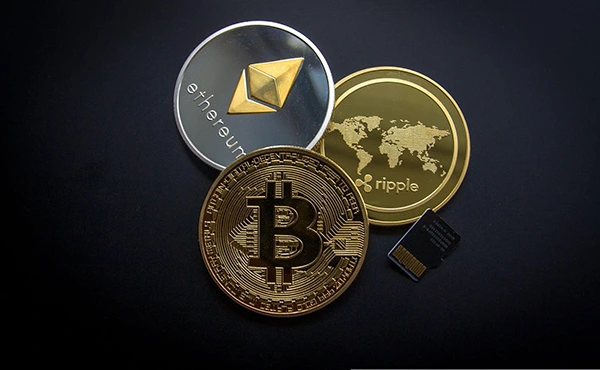
Remember to keep records for every transaction, entry price, exit price, fees paid, and date. Exchanges mostly export this data, but the responsibility to report falls on you.
Integrate Crypto Into a Broader Portfolio
A reasonable framework for crypto allocation in a wealth management context puts digital assets at 5–15% of a total portfolio, depending on risk tolerance. Beyond that, correlation matters. During risk-off periods in traditional markets, crypto has historically dropped alongside equities instead of acting as a hedge — this makes it a growth allocation, not a defensive one.
| Asset Type | Typical Role | Crypto Parallel |
| Equities | Growth | BTC, ETH (large-cap) |
| Speculative equities | High-risk growth | Altcoins |
| Cash | Liquidity | Stablecoins (USDC, USDT) |
| Bonds | Income/stability | Staking yields |
Stablecoins deserve a mention here — they allow you to stay within the crypto ecosystem during volatile periods without fully exiting to fiat, and some platforms offer 4–8% annual yields on stablecoin deposits, though rates fluctuate and platform risk should be assessed carefully.
Custody: Who Holds Your Coins
If your exchange is hacked or goes insolvent, the assets on the specific platform may become unrecoverable. Hardware wallets from manufacturers like Ledger or Trezor offer self-custody, allowing only you to control the private key.
For amounts above $10,000 in crypto, self-custody is worth the time utilized, as keeping everything on an exchange just for convenience is a risk many experienced investors prefer to avoid.
Digital assets are a significant part of wealth management now, and treating them as you would other assets is the foundation for doing it well.
FAQs