Is the Future of Work about Flexibility?
Jump To Key Section
- How the Meaning of Work Is Changing
- Why Flexibility Has Become So Valuable
- The Rise of the Global Nomad Workforce
- The Growth of Gig Work and Portfolio Careers
- Why Flexible Work Is Becoming a Non-Negotiable for Many Workers
- Could Flexibility Become More Valuable Than Salary?
- The Future of Work: Flexibility as a Core Workplace Value
- Conclusion
- FAQs
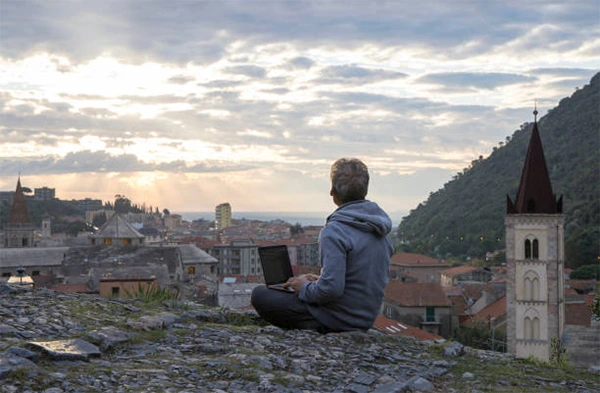
Not long ago, work used to be tied to a specific place. You got up, battled traffic, sat at the same place every day, and headed home when the time was up. Today, things have changed massively. People attend meetings from home, local cafes, caravans, and even different countries.
There is a rise in people opting out of jobs that provide less flexibility, and more people are choosing the freedom to enjoy their lifestyle over higher pay. The question no longer remains whether flexible work exists. The bigger question is whether flexibility is as important as salary, job security, and career progression.
This article outlines the rise of the global nomad workforce and why flexibility has become so valuable.
Key Takeaways
- For decades, work was the centre of daily life. Most individuals travelled to an office, worked fixed hours, and arranged everything else around their job
- For many workers, flexible arrangements ease daily pressures from rigid schedules and long commutes. These benefits are practical and personal
- Technology has made all of this possible. Cloud-based systems, video conferencing platforms, and digital collaboration tools mean many jobs are no longer restricted to a specific place
- The organisations best positioned for the future will be the ones that acknowledge this change
How the Meaning of Work Is Changing
Something really interesting has taken place over the past few years. People have begun questioning long-held assumptions about work.
For decades, work was the centre of daily life. Most individuals travelled to an office, worked fixed hours, and arranged everything else around their job.
School pickups, appointments, family commitments and personal interests usually came second.
Now, many workers are approaching things differently. Rather than building their lives around work, they want work to fit around the life they are trying to create.
Why Flexibility Has Become So Valuable
Ask most people what they would do with an extra hour or two every day, and the answers are surprisingly simple. Spend more time with family. Exercise. Sleep a little longer. Read a book. Walk the dog.
That is one reason flexibility has become so appealing.
For many workers, flexible arrangements ease daily pressures from rigid schedules and long commutes. These benefits are practical and personal.
Flexibility gives people something many feel they have been missing: control over their time and their lives.
The Rise of the Global Nomad Workforce

Imagine being able to do your job from almost anywhere in the world.
For a growing number of professionals, that is no longer a dream. It is reality.
A marketing consultant might spend a few months working from Bali. A software developer could be travelling through Europe while collaborating with a team back in Australia. A content creator may run an entire business from different locations throughout the year.
Technology has made all of this possible. Cloud-based systems, video conferencing platforms, and digital collaboration tools mean many jobs are no longer restricted to a specific place.
Even learning is becoming more flexible, with many people choosing online study options, whether they are completing an undergraduate qualification or a master of artificial intelligence online.
The Growth of Gig Work and Portfolio Careers
Not everyone is looking for flexibility through remote employment. Some are finding it by stepping outside traditional employment altogether.
Freelancing, consulting, contract work, and side businesses are becoming more common. Rather than sticking with a single employer, you can create portfolio careers with multiple projects and income streams.
The appeal is easy to understand.
People gain greater control over when, how, and who they work with.
There are clear advantages:
- Flexible schedules
- Greater independence
- Variety in the work being performed
- Opportunities to pursue personal interests
Flexibility has its challenges, too.
Income can fluctuate. There may be fewer workplace benefits. Managing clients and projects requires discipline and organisation.
Fun Fact
The very first work-from-home experiment happened way back in 1979 when IBM allowed just five employees to work remotely.
Why Flexible Work Is Becoming a Non-Negotiable for Many Workers
One of the biggest shifts in the modern workforce is that flexibility is no longer looked at as a bonus. For many people, it has become an expectation.
There’s the employee who relocates interstate because remote work makes it possible. Or the parent who chooses a role with flexible hours over a role that pays slightly more.
These decisions would have surprised many employers a decade ago. Today, they are becoming increasingly common.
Could Flexibility Become More Valuable Than Salary?
Money will always be important. Bills still need to be paid.
Yet many workers are asking a different question today than they did in the past.
Would a few extra thousand dollars really enhance life more than the freedom of choice of where and how work gets done?
For some people, the answer is no.
The Future of Work: Flexibility as a Core Workplace Value

The future of work is unlikely to be defined by a single model.
Some employees will prefer the office. Others will want to work remotely. Many will choose something in between.
The organisations best positioned for the future will be the ones that acknowledge this change. Instead of treating flexibility as an occasional benefit, they will look at it as a fundamental part of developing workplaces where people can thrive.
Conclusion
Flexibility is transforming the expectations of people about work. Jobs are becoming less tied to location, digital nomadism and gig work continue to expand, and employees are placing more value on autonomy and choice.
While salary and career progression still hold importance, flexibility is increasingly influencing how people select employers and progress their careers.
The future of work may not be defined by the location of work, but by how much freedom they have to decide when, where, and how work aligns with their lives.
FAQs
Ans: The following are the advantages:
- Flexible schedules
- Greater independence
- Variety in the work being performed
- Opportunities to pursue personal interests
Ans: For many workers, flexible arrangements ease daily pressures from rigid schedules and long commutes. These benefits are practical and personal.
Ans: The organisations best positioned for the future will be the ones that acknowledge this change. Instead of treating flexibility as an occasional benefit, they will look at it as a fundamental part of developing workplaces where people thrive.
Ans: Now, many workers are approaching things differently. Rather than building their lives around work, they want work to fit around the life they are trying to create.