Social Media Account Recovery: What to Do When You Lose Access to Your Profiles
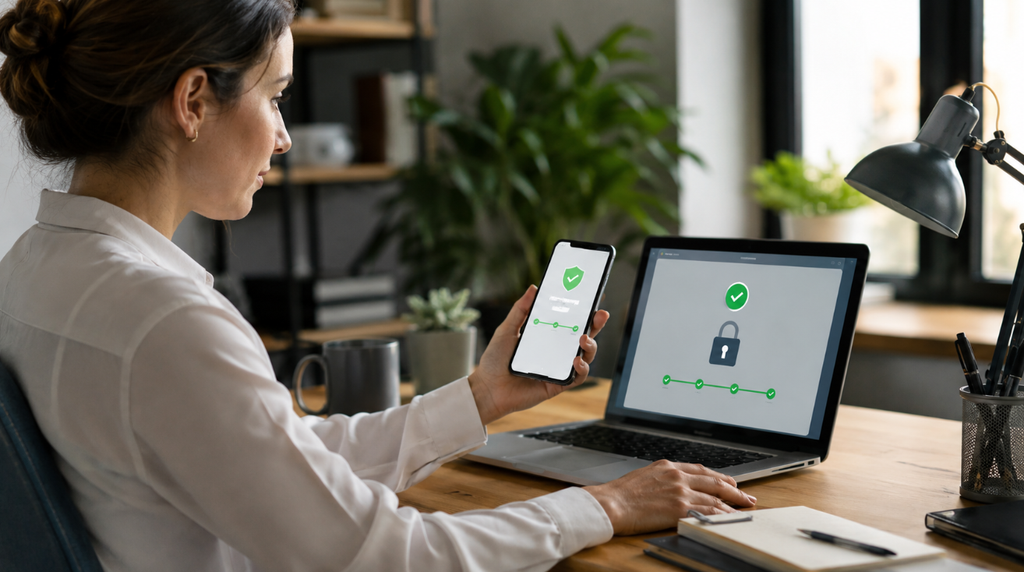
Social media has become more than just a connectivity platform these days. It has become a medium of exchange, sales, promotion, and, for personal context, a hub of personal messages and stories.
With that as a backdrop, losing your social media profile can cost you more than what is reflected on the surface. It usually begins when you enter a password, and suddenly everything seems alien: the email, phone number, and login credentials are no longer yours.
Account recovery in such cases becomes important. Read this article to know how to do so easily:
How to Recover Your Social Media Accounts

Recovery depends on what you still control, not only on which password you recall . Before you submit anything, detect whether you still have access to the original email, phone number, trusted device, or linked account.
Instagram Account Recovery
Instagram gives you several recovery paths, but each solves a varied problem. If someone changed your email address, a normal password reset may ideally send the code to the person who took over the account.
- Check your original inbox for a message from security@mail.instagram.com. Instagram can include an unusual link that lets you reverse an unauthorised email change.
- If you still control the email or phone number, request a login link or security code rather than predicting old passwords.
- If Instagram asks for a video selfie, follow the head-turn prompts specifically. Meta uses facial comparison to confirm that you align photos already present on eligible accounts.
- Keep your old username, original email, previous phone number, profile URL, and usual device ready before you begin a recovery request.
If Instagram’s own options have not restored access, an Instagram account recovery service can help you assess what recovery preferences remain.
Facebook Account Recovery
Facebook places extra weight on a device you have used before, so avoid beginning recovery on a new laptop or borrowed phone if your normal device is available. Meta specifically recommends using a usual device for hacked-account recovery.
- Enter an old email address or phone number aligned with the account if current details were changed.
- Use Facebook’s hacked-account route when someone fixed your credentials.
- If Facebook asks for your birthday during an identity check, enter the birthday originally supplied to Facebook, even if you use a different date elsewhere.
If repeated Meta recovery attempts fail, Facebook account recovery can provide another option for viewing a difficult case.
TikTok Account Recovery
TikTok handles password recovery differently if you ideally joined through another social platform.
- If you signed up with another platform, reset the password through that service, not TikTok.
- If email or phone access remains available, TikTok lets you reset with either method.
- A successful password change logs your TikTok account out of all other devices, which at once cuts off anyone who still has an active session.
If both contact methods were fixed and normal recovery fails, TikTok account recovery can help you review the remaining recovery routes.
What to Do If Social Media Account Recovery Is Not Working
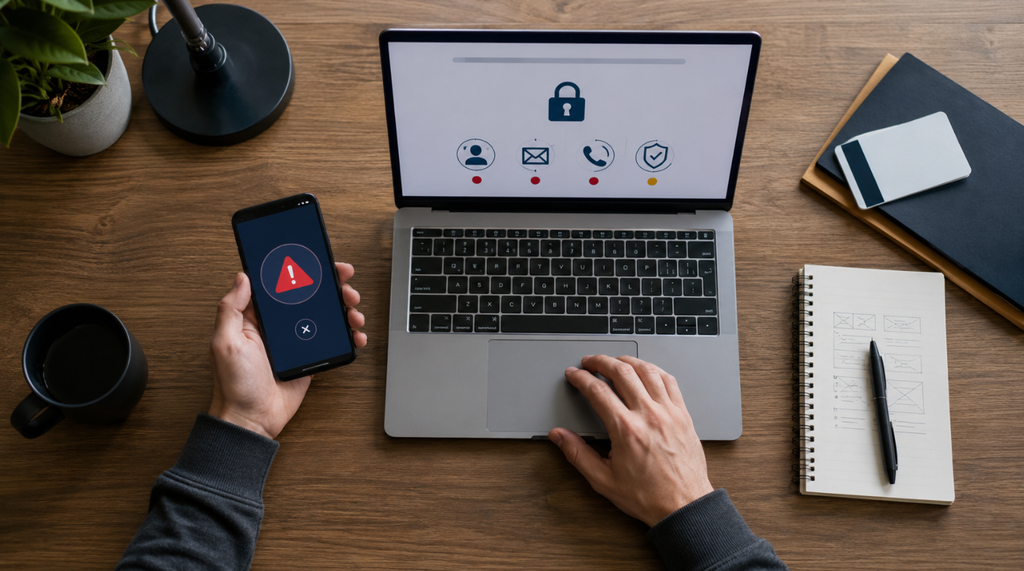
A failed reset does not always demonstrate you have reached the end of the recovery process. More difficult cases usually need stronger proof of ownership rather than another password attempt.
If reset codes now go to an unusual email address or phone number, stop requesting new codes and check your original inbox for security notices about contact-detail changes. An old email can at times show when the change happened and which account information was replaced.
Your username may also have changed after an account takeover. Search for the profile through old message threads, tagged posts, mutual followers, or a saved profile URL instead of depending only on the username you remember.
Identity checks can fail when the details you provide do not match older account records. Before another request, collect your previous usernames, old email addresses, former phone numbers, profile URL, usual login devices, approximate account creation date, and security emails.
A disabled account needs a different strategy. Password recovery will not reverse a suspension or policy action, so use the platform’s appeal or account-review process instead. Keep every submission consistent, because conflicting dates, usernames, or contact details can make ownership harder to justify.
How to Secure a Recovered Social Media Account
Access alone does not mean your account is completely safe again. Before you return to normal use, check every setting an attacker could have altered or left behind.
- Create a new password. Use at least 12–16 characters and never reuse a password aligned to your email, banking, or another social account.
- Remove unknown sessions. Open the login activity or device list and sign out every phone, browser, or location you do not recall.
- Restore your recovery details. Confirm your email address and phone number, then delete any unfamiliar contact details before someone can demand another reset.
- Turn on two-factor authentication. Use an authenticator app where possible and store backup codes anywhere separate from your phone.
- Review connected apps. Remove tools, extensions, scheduling platforms, or third-party services you did not permit .
- Check your public profile. Review your username, profile photo, bio, links, posts, and messages for edits made at the time of the lockout.
- Audit business access. Verify admins, page roles, ad accounts, payment methods, and linked business tools.
- Search for impersonation accounts. Look up your username and brand name to catch fake profiles demonstrated while you had no access.
Take Back Control of Your Social Media Profiles
Account recovery should finish with more than a successful login. Once you regain access, confirm your email, phone number, password, active sessions, username, connected apps, and admin permissions before you rely on the account again.
Keep a record of your profile URL, old usernames, recovery details, and important security emails in case problems return. Strong recovery information also safeguards your digital identity and online brand security, especially if you manage a business or creator account where a compromised profile can impact customers, followers, and revenue.
Frequently Asked Questions
How long does social media account recovery take?
Simple password resumes can take minutes, but hacked or identity-verification cases may take several days or longer. Recovery time relies on how much account information changed and how easily the platform can confirm ownership.
Can I recover a social media account without my old phone number?
Yes, you may still have options with an email address, recognised device, security email, linked login method, or identity verification. Keep previous phone numbers reliable because they can still help support an ownership claim.
What should I do if someone changed my username?
Search for the account through old messages, tagged posts, mutual followers, saved profile links, or previous notifications. A changed username does not actually mean the profile was deleted.
Why do my account recovery requests keep failing?
Common causes include incorrect account details, inconsistent answers, an unfamiliar recovery device, or missing actual evidence. Prepare old usernames, previous contact details, profile URLs, usual devices, and safety emails before you try again.
Can someone get back into my account after I recover it?
Yes, especially if an old session, connected app, recovery email, or admin permission remains relevant. Remove unfamiliar access, change your password, restore your actual contact details, and enable two-factor authentication as soon as you regain control.