How Streaming Platforms Deliver Video Without Buffering
Watching videos, listening to podcasts, or even making video calls over the Internet is something we do every day. Years back, watching a video was possible only after downloading the entire video file onto your computer and then playing it.
Streaming platforms provide us with video delivery that doesn’t involve buffering. Knowing how streaming platforms deliver video without buffering can help us get familiar with this sophisticated process that goes on behind the scenes.
The Basics of Streaming – What is It?
Streaming is a method of sending audio or video data from a file in real-time from some server to a client’s computer. The browser or the application processes the videos and the data in small chunks instead of downloading them onto the hard drive, and once the videos are played, these chunks get deleted.
The main components of the video transmission system include:
- Data Packets: Video files are segmented into small portions known as packets.
- Transfer protocols: Protocols such as TCP and UDP send data packets via the Internet.
- Media Player: Software decodes the data stream into audio and video.
Why Do We Have Buffering?
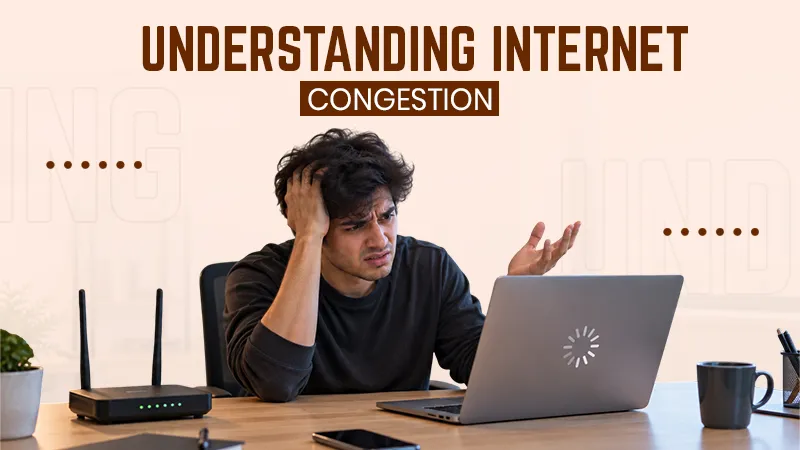
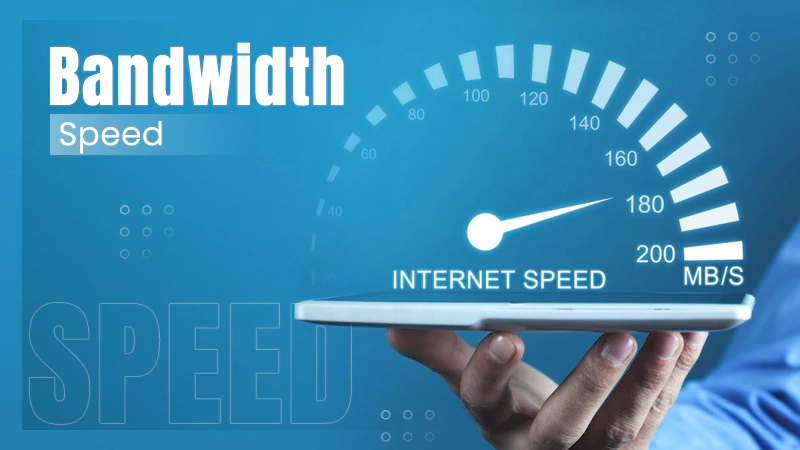
Buffering takes place when a media player downloads the content before playing it. If the download speed is low, the media player needs to wait for more data and thus pauses the playback. Examples of obstacles include high latency, network overload and bandwidth limitations.
Streaming Platforms’ Plans Deliver Video Without Buffering
Latency and bandwidth issues are addressed by a number of intelligent architecture decisions made by media providers.
- Content Delivery Network (CDN)
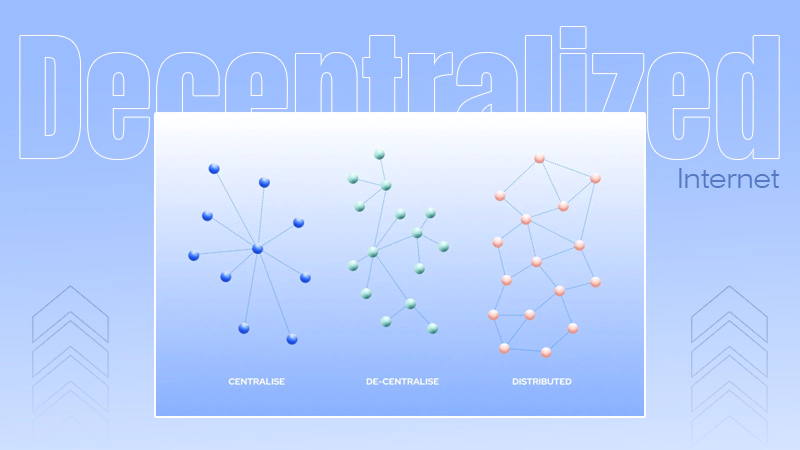
To address the problem of having millions of users connected to one central server, the provider distributes the media files across different CDNs. A viewer in London receives media files from the nearby local server, not one that is thousands of miles away.
- Adaptive Bitrate Streaming
Protocols check internet speeds at all times. Should Wi-Fi connectivity drop for some reason, the bitrate automatically lowers until the connection quality is regained.
- Effective Transport Routing
The service uses different protocols according to their tasks. The fast UDP routes are used in real-time video chat, whereas movies take advantage of the TCP routes that do not lose any packets.
Conclusion
Instant video viewing is possible because of the effective architecture of the web. With the help of CDNs, proper routing of services, and proper video format, platforms ensure good performance. This essay demonstrates the importance of learning about the architecture of streaming platforms.