What is Google Gemini Omni? Multimodal AI Explained
Artificial intelligence systems have come a long way from simple text bots and static image generators. The modern world of digital workflows requires technologies capable of processing audio, video, text, and programming in real time.
Meeting such high standards, sophisticated multimodal architectures were introduced to connect human creativity with the power of machine learning. Analyzing Google Gemini Omni allows us to learn more about multimodal models processing complex audiovisual information.
Being able to combine native audio-visual intelligence with video manipulations, this technology is reinventing approaches to digital media production.
Basics: What Is Google Gemini Omni?
At the moment, Google Gemini Omni can be described as a category of highly integrated multimodal models capable of understanding and generating content in different modalities natively.
In contrast to old AI technologies, which combined models for text, audio, and video, new multimodal models process information of all these categories at once in one neural network.
Being integrated, the system can process temporal information of video segments, identify the tone of spoken speech, and perform editing actions without losing context. This technology perceives audiovisual information as a human editor would, analyzing both visual frames and audio tracks as one piece of content.
How Does Multimodal Video Processing Work?
Standard video editing tools require extensive manual timeline cuts, color grading, and sound syncs. Multimodal video processing works on a sophisticated level of technical work with video through various key elements:
- Simultaneous Cross-Modality Processing: The algorithm analyzes video frames, background sounds, spoken lines, and text descriptions all at once, not one by one.
- Scene Understanding: Through sophisticated algorithms, the program understands the context of the particular scene with regard to certain objects, human emotions, light changes, and sound cues.
- Video Asset Generation: Using natural language prompts or even uploaded files, the tool can generate suggested cuts, find suitable B-roll, and adjust sound volume.
Important Skills for Contemporary Video Producers
Embedding native multimodal intelligence into the process of content creation brings incomparable efficiency to digital video content creators, filmmakers, and advertisers:
- Audiovisual Reasoning in Real Time
Since the technology is based on native processing of audiovisual inputs, video producers have an opportunity to work with their videos using voice commands in real time.
- Automatic Video Editing and Scene Adjustments
The technology easily performs tasks that usually require many hours, such as removing unwanted background noise, matching color schemes between different camera angles, and creating subtitles.
- Adaptation to Different Devices
Video creators have an opportunity to adapt standard widescreen video content into vertical videos adapted for social networks while making sure that important figures are well-centered.
Transformation of Business and Marketing Content Process
In addition to the single user who creates content, multi-modal architecture is changing the way businesses produce commercial media.
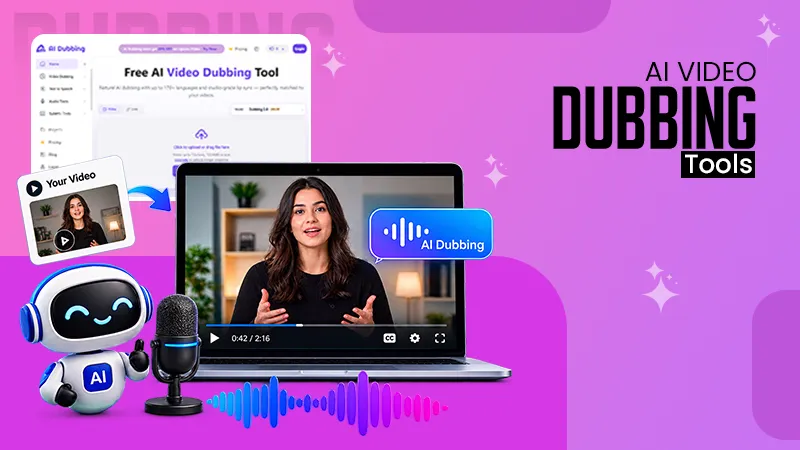
The business marketing department is now able to create localized video advertisements using algorithms that translate speech into different languages without changing its tone or lip movements.
Moreover, these models are being used by e-commerce websites to turn product catalogs into video presentations instantly.
Potential Difficulties and Creative Restrictions
Despite all the opportunities presented by state-of-the-art multimodal solutions, there are a number of challenges that creators and software engineers face while working with the technology:
- Intense Computational Requirements: The processing of heavy 4K video content together with multimodal reasoning is a resource-intensive task that necessitates powerful hardware capacity.
- Specificity of Prompts: Precise realization of artistic ideas presupposes providing very specific instructions to avoid unwanted interpretation of prompts by artificial intelligence.
- Need for Editorial Work: Even in case of automation, editorial work of humans is required in order to keep storytelling, emotional appeal, and brand voice intact.
Conclusion
Multimodal intelligence is definitely a milestone achievement in the domain of digital media creation. In this regard, the technology of Google Gemini Omni allows creators to focus on their stories without bothering about the technicalities; marketers and video editors will be able to create multimedia content quickly and effectively.
Also Read: The Rise of AI Browsers: Will They Replace Google Chrome?
Frequently Asked Questions
Ans: An AI model that processes text, audio, and video natively.
Ans: Simultaneous analysis of both video frames and audio tracks.
Ans: It enables cross-modal reasoning without separate applications.