Your Link In Bio Should Do More Than Hold Links
The “Link In Bio” term has boomed in the past few years; social media influencers, brands, celebrities, and service providers use it to simplify purchases. A short video appears, the audience loves the product, and then they simply purchase the product or service from the same profile because there is a link on that profile that redirects the audience to the online store.
Many people have made and are making a profit, but there are still some major limits of a single link. As popular social media platforms allow only one link per profile, creators and brands have to use a third-party application to merge all of their links on a single page, and visiting a genuine site through an unreliable site is no less harmful.
This can feel a little bit more complicated than the hidden infrastructure behind ChatGPT and modern AI, but this article has made it simple to understand.
This article explores the benefits and limitations of the “Link In Bio” strategies and how creators and brands can utilize their links to maximize their profitability, with top tools and platforms to upgrade your bio link.
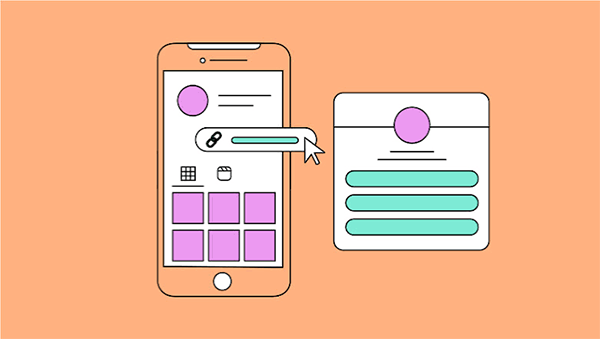
The Limits of Static “Link In Bio” Pages
There are some limits to static “Link In Bio” pages, and one of the biggest limits is discovery. Social media platforms often post short video content daily or every three or four days, while YouTube videos exceeding 10 minutes can take a week to post.
But it is not guaranteed that the content will reach the relevant audience every time; some shorts get 100k views, some get a million, and it is possible that the short video with 100k views was displaying a more useful product than the one that reached a million.
When these static “Link In Bio” pages have a single URL that leads to basic and never-changing links, they often fail to meet the demand of modern multi-channel marketing and audience engagement.
Those who know what makes Google so fast can understand the requirement of a good network that responds with valuable material without wasting a visitor’s time.
Even a regular audience and followers do not catch up on every single video on a platform, so a unified platform is required that displays all the products they have advertised and can provide them on a single page. For example, Linklay gives creators a central page for links alongside features such as analytics, email capture, QR codes, and customization.
Turning Your Bio Into a Dynamic Digital Hub
Turning your bio into a dynamic digital hub requires a transformation of your static list of URLs into an interactive and branded micro-landing page.
And that can happen in just a few steps:
- Choose a reliable platform: Replace a plain website URL with a dedicated bio-link or micro-site builder that supports custom branding and a simple interface.
- Design a visual hierarchy: Long vertical lists of irrelevant products often end up in customer loss and can be a con in making profits. So use a grid or bento box layout to smooth the arrangements, place your primary Call-to-Action (CTA) at the top so visitors can see it, match the colors and imagery of your personal brand, and make a convenient interface that is organized but not crowded.
- List Interactive and rich media: The goal is to keep people interested on your page until they purchase something from it, featuring the latest and relevant podcast, a new blog, a newsletter, or some advice that keeps the audience interested, and it is noticed that people spend more time and often purchase more from an interactive website and usually ignore the static ones.
- Keep the page fresh and updated: People get bored after a while, no matter how good they felt at first, but if the page is unchanged for a long time, the audience will start to ignore it, and that will end up as a loss of audience, visibility, and profits. So keep your page updated, keep posting new video content, keep featuring fresh materials on your webpage, and keep the audience interested.
- Track data and optimize: Knowing where your audience is coming from gives a huge advantage in optimizing the webpage for them. Use built-in analytics and use your bio-link like a real marketing funnel. Monitor click-through rates, high-performing links, geographic data, and UTM tracking codes to know which of your content is converting viewers into customers the most.
These steps will change your static bio links into an actual workflow that is able to bring in an audience, manage their interest, buy their time, and eventually convert their interest into real business sales while monitoring the highest-performing content and strategies.
Essential Features That Drive Engagement And Conversations
Here is the comparative table of 11 essential features that drive engagement and conversations, which will help you understand them better:
| Features | Primary Functions | How It Improves Customer Interactions |
| Outbound SMS Campaigns | Sends bulk and scheduled text messages with automated SMS replies | Helps businesses share updates and reminders while reaching customers directly. |
| WhatsApp Integration | Manages customer conversations through WhatsApp | Provides a convenient channel for personalized communication and real-time support. |
| Shared Inbox | Brings messages from SMS, WhatsApp, webchat, and social media into one place. | Teams manage conversations centrally and maintain contacts across channels. |
| Webchat Channel | Allows customers to communicate with businesses through live chat on their websites. | Makes it easier for visitors to ask questions and get quick assistance for purchase. |
| Facebook and Instagram Messenger | Combines customers’ messages from Facebook and Instagram. | Businesses respond to social media inquiries and engage customers on familiar platforms. |
| Campaign Metrics | Tracks the performance of SMS campaigns and individual sends. | Helps teams understand customer engagement and improve future campaigns. |
| Custom Surveys | Creates and distributes surveys using different question formats. | Collects direct customer feedback and provides insights into customer expectations. |
| New Chat Message Notifications | Alerts team members when a new message arrives. | Reduces missed inquiries and helps teams respond conveniently. |
| Real-Time Typing Status Indicator | Shows when another participant is typing a message. | Keeps customers engaged by indicating that a response is being prepared. |
| Flip to Call or Meeting | Allows teams to move from a chat conversation to a voice or video call. | Makes complex inquiries easier to resolve with real-time conversation. |
| Shared Contacts and Conversation Notes | Stores customer contact details, tags, and notes in a centralized database. | Gives team members access to previous interaction details and supports more informed responses. |
Customers’ expectations and demands are increasing constantly; brands and influencers have to interact with them in multiple ways to keep their interest and turn them into actual customers. And that’s why these 11 features matter to support a link in bio.
Top Tools and Platforms to Upgrade Your Bio Link
After knowing why a static page will stop your progress and how to turn a bio into a digital dynamic hub, it is also necessary to choose the right tool to execute a workflow that actually works.
This is the list of the best 3 link-in-bio tools to boost your reach and sales:
- LinkLay: This is the best among all of the options available. It provides views and click counts on its free plan with retargeting pixel support for Meta, TikTok, and Google Ads with the free tier, and after subscribing to Pro, you can access location, device, and referral breakdowns. The Pro plan ($9.99/mo) adds exportable CSV reports and SEO powered link tracking.
- Linktree: Linktree is a reliable platform, but it restricts many features on the free plan. The free plan offers basic lifetime clicks only; the starter pack ($8/mo) unlocks referee and country data, and the Pro version ($15/mo) adds Meta plus Google pixel plus more advanced filters.
- Beacons: Beacons features a funnel-style analytics view that is useful for creators selling through link in bio. The free plan is limited, and the paid plan ($10-$25/mo) includes per-link conversion data and traffic source.
These are the best three tools available in the market; consider any other tool if you want to pay extra money for no extraordinary service.
How To Optimize Your Bio Link Strategy For Maximum ROI
A bio link is an opportunity to turn every profile visitor into a paying customer. You need a specific strategy to maximize its return on investment (ROI).
Ask yourself what you exactly want; the answer can be increasing product sales, generating leads, promoting a new campaign, or growing an email list. Make sure that your bio is guiding visitors towards whatever your answer is. Prioritize the most valuable links and avoid too many options.
Create a mobile-friendly landing page that loads quickly and reflects your brand identity via imagery and colors. A smooth experience can improve engagement and conversations, so use relevant calls to action (CTAs) for a convenient user experience on mobile.
Review performance and UTM parameters regularly to identify which link performs best, and keep experimenting with link placements that improve results.
And always keep your bio link updated with current campaigns and relevant content. Social media attention can turn into successful business growth with a well-organized, measurable, and regularly optimized bio link strategy.
Frequently Asked Questions
Ans: With growing portfolios using various brokers, accounts, and currencies, it is getting harder and harder to keep track of your transactions, dividends, fees, and cash flows. Good portfolio tracking is dependent on proper management of all this data.
Ans: Creating a visual hierarchy keeps visitors interested and makes every action predictable with clear CTA buttons, and it has more potential to make them a paying customer, while a blunt vertical list of links can fade visitors’ interest.
Ans:LinkLay is the most reliable and best among top-tier link-in-bio tools because it provides creators with a central page for their links alongside features such as analytics, email captures, QR codes, and customization.