How to Evaluate Online Rewards and Cashback Platforms Safely
Jump To Key Section
- What Online Rewards Platforms Actually Do
- A Practical Framework for Comparing Platforms
- Privacy and Account-Security Questions
- Payment, Payout, and Consumer Protection
- How to Verify Claims Without Relying on Testimonials
- Real-World Scenarios: When a Reward Helps and When It Does Not
- A Simple Decision Checklist
- Making a Responsible Final Decision
- Final Perspective: Treat Rewards as a Bonus, Not the Basis of the Purchase
- Frequently Asked Questions
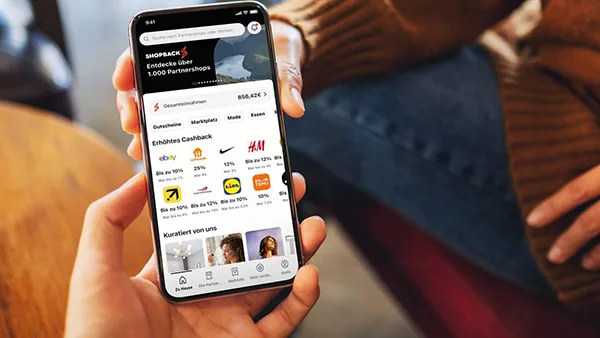
Cashback sites, coupons, loyalty schemes, and rewards apps are all popular ways to change the way you shop online. When looking at a reward site like http://getloot.com/, you want to know how it works and what the terms are.
Cashback deals are very important and tempting but often have particular terms and conditions which will reduce how much you really receive.
Many of the sites work on an affiliate model, advertising, or even transaction-based. Analyze before going into the signing process what you want to know about how the rewards work, what items are included or not. Whether you can withdraw money, whether your data is collected, and security threats.
The best method to consider is ensuring you bought the product and eventually skip the cashback, and remember that it is a bonus while purchasing.
What Online Rewards Platforms Actually Do
Rewards platforms come in several forms, including cashback portals, coupon and promo-code services, browser add-ons, retailer loyalty programs, and receipt-scanning apps. Most reward platforms are typically funded through retailer partnerships, affiliate commissions, advertising revenue, or, in some cases, data-related business deals.
It helps to differentiate between an immediate price reduction, a delayed cashback payment, points with redemption restrictions, and promotional credits that may expire.
A reward isn’t the same thing as guaranteed savings. It only becomes real value once it moves from a pending reward to an assured reward and finally to receiving your reward balance.
Understanding the difference between how much you are paying, qualifying spend, and redeemable balance goes a long way toward preventing consumers from overvaluing what they actually need to earn.
A Practical Framework for Comparing Platforms
Review the Business Information
Before using any platform, check whether it clearly determines the operating company, customer-support channels, terms of service, privacy policy, and payout rules. Consistent contact details and a clear explanation of how customer support works are reasonable baseline expectations. Warning signs include ownership details, conflicting policies, missing customer-service options, or pressure to act immediately.
Examine Reward Terms and Limitations
Reward value can be affected by minimum payout requirements, qualified retailers or categories, excluded voucher codes, return-related reversals, processing delays, account limits, and expiration dates. Evaluating gives a better idea of how much your reward is worth at the time; you consider everything, including the waiting period. This tells far more than the advertised percentage ever will. It’s also wise to save a screenshot of the terms before completing a qualifying investment, since policies have a way of transforming without much notice.
Compare the Total Cost, Not Just the Reward
A reward should never justify paying more than required. Compare the product price, shipping charges, taxes, subscription fees, lowest purchase essentials, and potential return prices. The Federal Trade Commission suggests that you should compare prices and account for shipping and additional charges when shopping online, instead of focusing only on an advertised discount.
Before Calling It a Deal
- Are you getting a competitive price?
- Are there any extra charges?
- Would you buy this item without the bonus?
- Can you actually claim the reward under realistic conditions?
Privacy and Account-Security Questions
Rewards platforms may request a name and email address, shopping history, device details, location details, or payment and payout information. It’s good to check data-collection practices, third-party sharing, tracking technologies, account deletion methods, and breach-notification language as a reasonable precaution before signing up.
Regulators have noted that shopping applications may offer deals while also collecting personal details and, in some cases, device-location data.
Practical safeguards include using a unique password, allowing multifactor authentication where available, limiting unnecessary app permissions, avoiding unneeded disclosure of sensitive information, and keeping browsers and software updated. It’s worth recalling that HTTPS encryption prevents data in transit but doesn’t, by itself, confirm that a business is legitimate.
Payment, Payout, and Consumer Protection
Rewards may be paid through bank transfer, digital wallet, gift card, account credit, or check, and each method carries its own pros and cons, privacy, and fees.
Consumers should understand minimum payout, processing times, verification requirements, and whether rewards can be reversed or not.
If you purchase through an unknown seller, you should look for payment methods offering dispute options, which are generally the safer choice. Credit cards, for example, can offer charge-dispute protections when items are missing, incorrect, damaged, or billed wrongly.
It’s also worth remembering that a rewards platform is typically not accountable for issues with the retailer. The reason why keeping both platform records and purchase records matters.
How to Verify Claims Without Relying on Testimonials
Independent research tends to be far more trustworthy than testimonials alone. Searching a company’s name with words such as complaint or review. Also checking consumer protection agencies, examining business registries where available. You should read app-store feedback carefully.
Testimonials may be outdated, unusual, or silent on permitted limitations. They shouldn’t be the only grounds for belief. Consumer-protection guidance consistently suggests researching unknown sellers and holding onto receipts and confirmation emails.
Real-World Scenarios: When a Reward Helps and When It Does Not
A shopper who compares overall costs across retailers, confirms clear eligibility rules, and saves records is using a reward the right way. By contrast, a reward can be switched if an item is returned or an expired coupon is applied after the purchase was tracked as eligible.
Sometimes a platform may request extensive data permissions for a fairly subtle benefit, leaving the shopper to weigh privacy against reward size. An unusually high discount conditioned with demands for irreversible payment methods is a clear signal to stop and confirm before going any further.
A Simple Decision Checklist
Key Takeaway
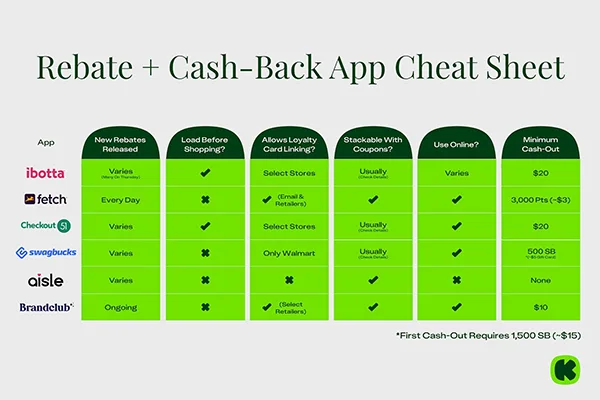
- Ensure the platform’s identity and contact details.
- Read the reward, privacy, and payout policies.
- Compare the overall cost of the item elsewhere.
- Check exclusions, minimums, processing time, and expiry.
- Use a payment method with reasonable dispute protections.
- Keep your receipts, confirmation emails, and take screenshots.
- Don’t use it if it asks you to maintain secrecy, rush, or use unusual payment methods.
Read the terms before purchasing, compare the total cost, and keep complete records. These three habits alone handle most of the risk linked with rewards platforms.
Making a Responsible Final Decision
No single feature proves a platform is safe or worth using. Most of the time, the best choice is the service with clear policies and reasonable conditions, not necessarily the one advertising the biggest reward.
Final Perspective: Treat Rewards as a Bonus, Not the Basis of the Purchase
While deciding on a rewards platform comes down to affirming the business, understanding the terms, comparing total costs, protecting personal information, and maintaining records.
A reward should be a bonus to good shopping habits, not promote excessive spending. Before using any unfamiliar rewards service, take a few minutes to check its policies, privacy practices, reputation, and payment security. It’s a small investment of time that can save real headaches later.
Frequently Asked Questions
Ans: Review the site’s license, terms and conditions, payment periods, privacy policy, and customer service, as well as honest customer reviews. Don’t depend on claims and high cashback ratios to determine trust.
Ans: Your cashback will be pending until your trade has been approved by the seller. This could be because you returned an item, withdrew your directive, there was an exclusion, or your article has difficulties in tracking.
Ans: Not necessarily. When comparing sites, look at what rate you are actually obtaining after exclusions, discounts, fees, payment limits, and solitude. You may get more value from a lower ratio but more exact terms.
Ans: If your item is difficult to track, it was excluded, there was an inconsistent coupon, you returned your item, or you had the wrong referral link, you will not receive any cashback. Inspect the terms of the offer and your trade account before reaching customer service.