What is AI Lifecycle Management? From Training to Deployment
AI has moved from the realm of the future to the current reality, where it acts as an engine that drives business operations today. The application of AI-enabled models allows companies to generate marketing material, answer customer inquiries, and process massive amounts of information instantly.
However, developing an operational AI model demands much more than programming skills. In order to avoid possible issues, such as loss of accuracy, the consumption of too many resources, and other undesirable outcomes, proper management of this process is required. Here come the structured lifecycle operations.
But what is AI Lifecycle Management, and why is it so relevant among major enterprise platforms?
The Basics: What is AI Lifecycle Management
On a basic level, the concept of AI Lifecycle Management implies a set of operations through which the process of creating, training, deploying, monitoring, and updating AI models occurs.
This is basically a quality control mechanism for digital brains. Just like any car needs maintenance in order to be kept safe and effective, AI requires regular management to be efficient and reliable.
Critical Stages in the Journey of Operations for AI
The use of AI in an organization requires having a framework in place. The process can be broken down into several stages that are needed for ensuring proper construction and scaling of the models.
- Data Ingestion and Preparation: Because the quality of the data provided will affect the quality of the output, the data needs to be properly prepared and secured for the AI.
- Model Selection and Training: Depending on whether the Large Language Model (LLM) is used or the developers decide to use some other algorithm, they will train the model using business data.
- Grounding and Contextualization: Grounding is performed in order to link AI to the organization’s real-time data to prevent the output of irrelevant and false data from the model.
- Testing and Safety Evaluation: Before deployment, the model will need to be tested to detect any biases, toxic information, and vulnerabilities in it.
- Deployment and Implementation: After evaluation, the AI will be implemented into workflows and applications for customers and employees.
- Monitoring and Auditing: After deployment of the model, monitoring will take place to evaluate the accuracy of the model and other parameters.
Reasons Why Businesses Should Use Structured Lifecycle Tools
Implementing an AI model without a structured lifecycle plan is very likely to cause a project to fail.
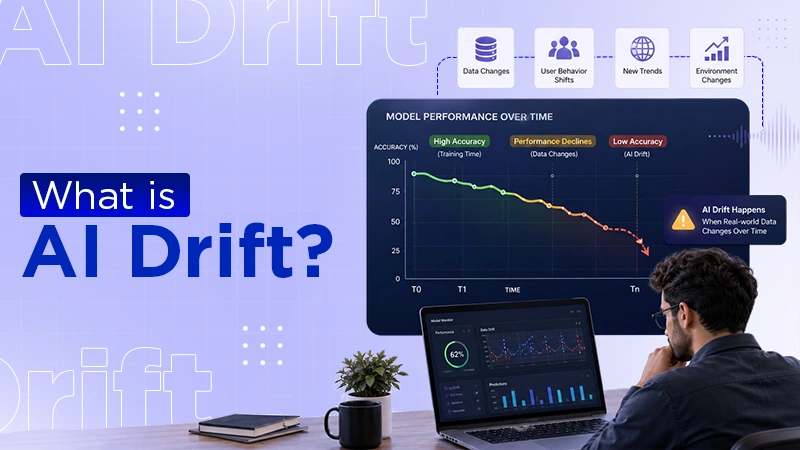
As data in a business changes and consumer behavior evolves, a model that was perfect a month ago may suddenly begin producing unreliable results.
Modern management platforms solve this problem by providing unified control over every single algorithm being used.
- Centralized Management and Security
Large corporations normally utilize tens of different AI tools within various departments.
- Efficiency and Cost Management
Complex AI models require lots of computing power. Good lifecycle management tools allow tracking computing resources, optimizing prompt routing, and thus making sure that each request is being routed to the most effective model.
- Consistent Accuracy and Reliability
When interacting with a robot, customers always want to get an accurate response from it. Feedback loops allow noticing the mistakes made, adjusting grounding strategies, and upgrading models on the go.
Best Practices for Managing AI Systems
For the most effective use of an operational framework, there are several strategic practices that need to be kept in mind:
- Always Have Human Oversight: Human beings must always be in the loop, especially when the decision involves a high level of stakes in areas like finance, legal, and customer relations.
- Ensure Data Privacy: Sensitive customer data must be obfuscated before being used by any third-party models.
- Metrics Need to be Established: Specific KPIs such as accuracy, latency, and user score need to be monitored.
- Frequent Iteration: AI system management needs to be seen as an ongoing loop process rather than a project that will reach a definite completion point.
Also Read: What is Secure Software Development Lifecycle (SSDLC)?
Conclusion
You have to be aware of what a Management means if you want to move beyond simple chatbot solutions and implement sustainable digital processes in your company.
Frequently Asked Questions
Ans: This term is used to define the process of creating, deploying, monitoring, and managing models.
Ans: This is required to avoid false results, evaluate performance, and keep security measures up to date.
Ans: All businesses that work with AI technologies.