From Classroom to Cockpit: Student Careers in the Automotive Revolution
Jump To Key Section
- Careers That Power the Future
- Study Paths That Match Industry Needs
- Skills That Employers Want Now
- Internships That Give You an Edge
- Sustainable Transport Needs Student Talent
- Global Careers in Automotive
- The Role of Software in Automotive Careers
- How to Get Started Now
- Final Thoughts: Students Are Shaping the Industry
- FAQs
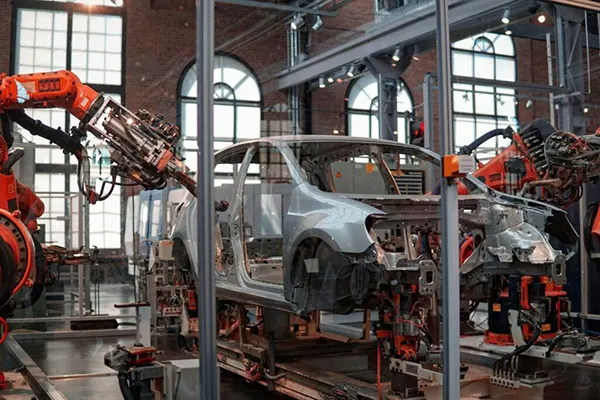
The automotive industry isn’t just about manufacturing cars. It’s actually an ecosystem driven by innovation, software, global collaboration, and so much more. For students with a wide variety of skills, this sector now offers a plethora of career paths, many of which didn’t simply exist a decade ago.
From electric vehicles and autonomous systems to smart factories and green logistics, the automotive sector requires thinkers and doers. Whether your strength lies in mechanics or marketing, you can begin a meaningful career path with an option to pay for research paper support from expert writers, fulfilling all academic demands.
This article outlines the skills most needed at the moment and the role of software in automotive careers.
Key Takeaways
- New roles display how the industry is evolving beyond simple combustion engines and into a space that prioritizes clean energy, software integration, and user-focused design
- Vocational paths are also solid options, especially in fields such as diagnostics, welding, and high-voltage safety training for EVs
- Internships provide detailed insights into company culture, workflow, and expectations. They also allow you to build your network and resume with real-world outcomes
- International internships or study-abroad engineering programs enable you to construct a resume that stands out among the rest in this global industry
Careers That Power the Future
Some roles remain foundational, while others are entirely new. Knowing where you fit starts with understanding the options.
Traditional Core Roles
These jobs remain central to automotive production but now require updated skills:
- Mechanical Engineer
- Automotive Technician
- Industrial Designer
- Production Manager
Emerging Career Fields
Tech-forward trends are creating entirely new job categories:
- EV Powertrain Specialist
- Autonomous Systems Engineer
- User Experience (UX) Designer
- Sustainability Officer
These roles display how the industry is evolving beyond simple combustion engines and into a space that prioritizes clean energy, software integration, and user-focused design.
Study Paths That Match Industry Needs

Your educational preferences can lead directly to industry-specific opportunities. Universities and trade schools now offer programs designed specifically for modern automotive demands.
Recommended Majors for Automotive Careers
- Mechanical Engineering
- Electrical Engineering
- Computer Science
- Environmental Science
- Business with a focus on Supply Chain
Vocational paths are also solid options, especially in fields such as diagnostics, welding, and high-voltage safety training for EVs.
Skills That Employers Want Now
In the modern landscape, employers focus on flexibility and cross-disciplinary knowledge. You may not require loads of experience, but you would definitely need the right skill set.
Technical Skills
- CAD software proficiency
- Systems diagnostics
- Battery and electric motor knowledge
- Python or C++ for embedded systems
Soft Skills
- Team collaboration
- Project management
- Clear technical communication
- Adaptability to change
Combining hard and soft skills increases your value and prepares you for team-based, fast-paced work environments.
Internships That Give You an Edge
Academic study alone isn’t sufficient. Internships provide the necessary exposure required for real projects and offer practical knowledge on handling professional tools.
Look for internships in:
- Automotive startups
- OEMs (original equipment manufacturers) like Ford or Toyota
- Government transportation research labs
- Suppliers and logistics companies
Internships provide detailed insights into company culture, workflow, and expectations. They also allow you to build your network and resume with real-world outcomes.
Sustainable Transport Needs Student Talent
Environmental goals are driving rapid changes. Complete departments now prioritize sustainability and clean mobility, providing openings for students with a passion for green innovation.
Key Roles in Sustainable Mobility
- Battery Recycling Engineer
- Energy Efficiency Analyst
- Circular Economy Consultant
- Smart Grid Integration Planner
Students who study climate policy, materials science, or sustainable business practices often find meaningful work that is in line with environmental objectives.
Fun Fact
An average modern vehicle has millions of lines of code, a lot more than what was used to put the Apollo 11 mission on the moon.
Global Careers in Automotive
The automotive industry operates on a large scale, with design, manufacturing, and logistics teams usually spread across the world.
For students who prefer working abroad or in multinational companies, there are growing opportunities in Europe, Asia, and North America.
Top Global Career Options
- Vehicle Testing Engineer at international proving grounds
- Supply Chain Analyst for cross-border logistics
- EV Charging Infrastructure Planner in emerging markets
- Regulatory Affairs Associate focused on global emissions laws
Language skills, cultural awareness, and the willingness to relocate make you a lot more competitive. International internships or study-abroad engineering programs enable you to construct a resume that stands out among the rest in this global industry.
The Role of Software in Automotive Careers
Modern vehicles are platforms for software as much as they are regular machines. This change scales career options for students based in tech and computer science.
Software-Driven Roles
- Embedded Systems Developer
- Human-Machine Interface (HMI) Designer
- Cybersecurity Analyst for Vehicles
- Vehicle Data Scientist
These jobs usually require familiarity with automotive-grade software stacks and strict safety guidelines, so additional certifications are always a plus.
How to Get Started Now
You can take proactive steps while still in school to prepare for your future in the automotive field.
Steps to Launch Your Career
- Choose a relevant major or trade specialization.
- Join student clubs focused on robotics, mobility, or engineering.
- Apply early for internships in the auto sector.
- Learn software tools and modeling programs used in the industry.
- Build a portfolio or GitHub profile with project examples.
You can also attend industry expos or auto shows to meet employers and explore cutting-edge projects.
Final Thoughts: Students Are Shaping the Industry
The automotive industry is undergoing its most significant transformation in over a century. This transformation creates a wide array of student-friendly career opportunities across various disciplines.
By aligning your education, skills, and experience according to such changes, you can transition from the classroom into a high-impact role in an industry that is redefining mobility itself.
FAQs
- Choose a relevant major or trade specialization
- Join student clubs focused on robotics, mobility, or engineering
- Apply early for internships in the auto sector
- Learn software tools and modeling programs used in the industry
- CAD software proficiency
- Systems diagnostics
- Battery and electric motor knowledge
- Python or C++ for embedded systems