How to Avoid Common E-Signature Scams
Jump To Key Section
Exchange of a huge number of documents used to require a separate staff to manage this. Since the introduction of digital signature solution, or electronically signed documents, signing documents has become so convenient.
It not just saves time but also makes it simple for brands to close deals and apply for investments without physical requirements. However, this convenience came along with an increased risk of scams.
A number of research and tech departments have warned businesses and individuals about e-signature scams and phishing attacks. But still, with the rise of online workspaces and hybrid policies, sharing e-signed documents on a daily basis has become a necessity.
To be aware of such scams. Read this post that shares the common varieties of scams, defensive technologies to protect users against them and effective ways of security maintenance.
Common Scam Varieties
Fraudulent schemes involving electronic signatures take several different forms depending on the goal of the attacker. Some try to route money transfers to foreign accounts, while others try to get personal information. The following terms define the most common threats faced by businesses and individuals in the digital space.
Document Alteration Scams
Some attackers intercept a legitimate document during the signing process to modify the terms. They may change bank account numbers or payment amounts before the final signature is applied. This kind of fraud is based on the user failing to check the completed document.
Secure platforms prevent this problem by using encryption and hashing to lock the document once it is sent. If any party attempts to change the text, the digital seal breaks and alerts all participants. Users must always perform a final review of all terms directly within the secure signing system.
Credential Harvesting
Fraudsters often produce empty login pages that mimic well-known e-signature platforms. When a user writes their username and password, the attacker tries to get this information to misuse in the future. This helps the criminal to access real documents and sensitive personal information stored in the actual account.
Multi-factor authentication provides an essential secondary defense against credential theft. A scammer needs a secondary code to access the account, even if they have a password. Users should enable this feature on every platform that handles legal or financial paperwork.
Invoice Redirection
This scam involves sending a fake contract that includes updated payment instructions for a pending transaction. The attacker impersonates a known vendor and requests a signature on a new “payment policy” or “service agreement.” Once signed, the victim may inadvertently authorize payments to a fraudulent account.
Verification of any change in financial details is a mandatory security step. Organizations should require verbal confirmation from a known representative before accepting new banking information. This simple check prevents large-scale financial losses from unauthorized wire transfers.
Malware Distribution
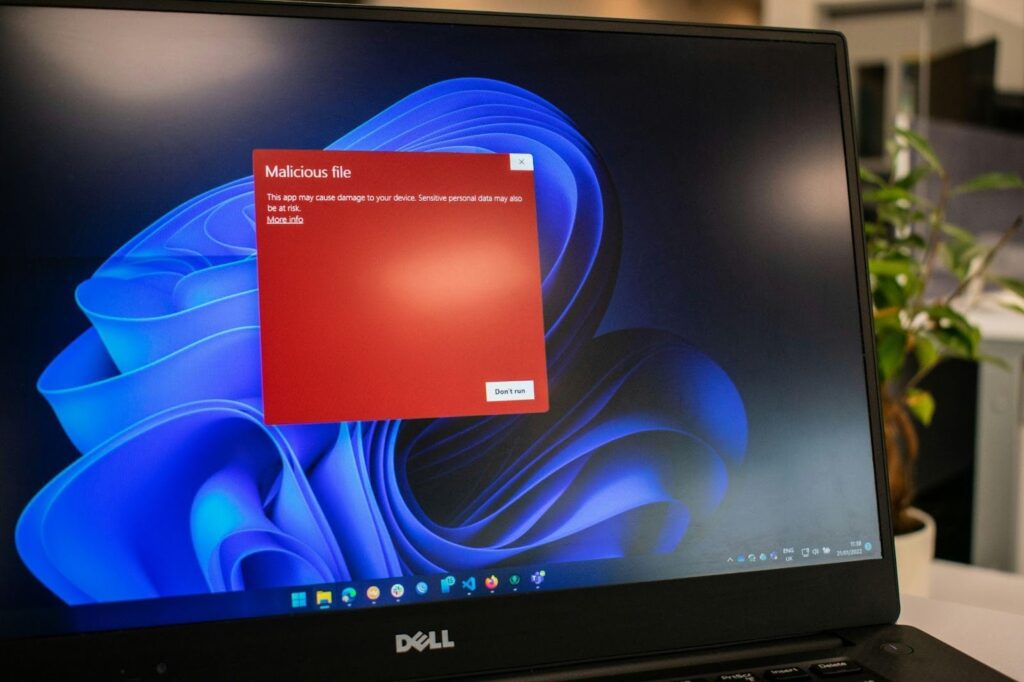
Malicious actors sometimes attach files that appear to be signature certificates but actually contain malware. Opening these attachments can install keyloggers or spyware on the computer of the recipient. These tools allow hackers to monitor all activity and steal data in real time.
Users should only interact with documents through the official web portal of the service provider. Legitimate signature services do not typically require the download of executable files or macros to view a contract. Maintaining updated antivirus software helps detect and block these malicious payloads before they’re used.
Interesting Fact
More than 70% of the digital scams ask for immediate action to avoid any legal problem. Just avoiding this will save you from more than half of the attacks.
Defensive Technologies
Technical protections act as the backbone of a secure digital signing environment. Advanced encryption assures that data is unreadable by anyone who compromises the connection. Service providers also use private keys to ensure that a signature is unique to every individual.
Using the below mentioned security internal controls, risks can be lowered to a great extent–
- Limit document signing privileges to authorized personnel only.
- Set up a unified dashboard to track all mailed signature requests.
- Use email filtering tools to block known fraudulent domains and links.
- Require periodic security awareness training for all staff members.
Security Maintenance
Maintaining a safe environment needs regular updates to both software and internal policies. Security updates fix gaps that scammers may miss as they create new schemes. A detailed audit of signing logs can show unusual patterns that might lead to a breach.
Training programs should focus on the latest trends in social engineering to keep employees informed. Employees who understand the risks are less likely to fall victim to high-pressure tactics used by criminals. A strong culture of security is the most effective safeguard against evolving digital threats.
The following practices contribute to a solid defense strategy for any organization:
- Update all browser and signing software to the very latest versions.
- Review the privacy policies of third-party digital signature providers.
- Audit user access levels to ensure the principle of least privilege.
- Report suspicious emails to the IT security department immediately.

The use of electronic signatures offers higher efficiency, but it also requires a higher standard of digital literacy. When users mix technical solutions with skeptical observation, they can enjoy the benefits of digital leases without falling prey to criminal schemes. Continuous vigilance remains the best way to ensure that a digital handshake is as safe as a physical one.
Conclusion
Undoubtedly, e-signatures are an essential part of modern businesses – inappropriate use of them might result in huge losses of money and reputation. Businesses should be aware of common varieties of e-signature scams and effective ways to avoid them.
By avoiding these common barriers – any business may fully take advantage of electronic signatures and ensure that papers are signed electronically in a safe, legal and efficient manner.
Ans: Due to the increase in hybrid policies, e-workspaces and other conveniences, exchanging plenty of e-documents has become an integral part of business operations.
Ans: No – there must be staff training programs every month so that all staff become aware of common scams and ways to avoid them.
Ans: Checking for browser updates, reviewing privacy policies and reporting suspicious emails are the best ways to ensure security maintenance.






© 2026 allinsider.net All rights reserved