What is Digital Infrastructure? Backbone of Modern Economy
In the context of a country’s infrastructure, people will imagine tangible structures such as roads, bridges, power lines, and public transportation system. However, as the world shifts from transporting goods physically to virtual operations, it is the other kinds of road networks that power our day-to-day activities.
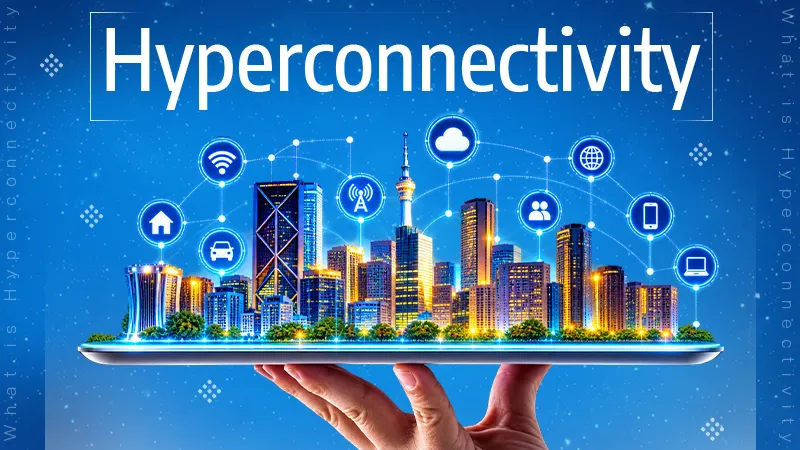
In the new age of technology, the network used by the global economy allows data transfer across the globe effortlessly. It forms what is called the digital infrastructure, which is the ultimate structure underpinning the global marketplace.
Digital Infrastructure in a Nutshell
It is vital to note that all actions performed online, from sending an official email to watching a movie or paying for a service through contactless means, depends on both physical and virtual systems.
The term digital infrastructure refers to the total set of technological tools that allow for creating, processing, storing, and transferring data. The absence of such an integrated infrastructure will make firms grind to a stop, remote operations impossible, and consumer applications useless.
Core Building Blocks
The core building blocks consist of some basic building blocks that ensure the smooth functioning of the global economy, so that information can be transferred safely. Let’s have a look at them:
- Physical Connectivity
This refers to the fiber-optic cables under our streets, undersea cables, cell towers, and super-fast networks such as 5G that physically carry the bits of information back and forth.
- Data Centers
These refer to the huge warehouses packed with server farms where all the information in the world is stored physically.
- Cloud Computing
Lying atop the physical infrastructure, the cloud offers the computing capacity required by the company for its software to scale instantly.
Transformation and Innovation Through Driving Forces
The fast-growing development of the digital infra industry is revolutionizing business models in every sector. Old-style server infrastructures are being supplanted by hybrid cloud and multi-cloud systems.
Such flexibility allows businesses to incorporate revolutionary technologies like AI, Big Data, and IoT in their operations without any need to spend millions to develop their own technology infrastructure.
Conclusion
In conclusion, it can be stated that the efficiency of the contemporary economy is inseparable from the efficiency of its infrastructure. Investments in high-level digital infrastructure are no longer an IT issue but a necessity for the country’s economic development, corporate competitiveness, and international communications.
As new technologies require ever-increasing computational power and data storage possibilities, this hidden backbone will become even more important.