Customer Segmentation Strategies to Boost Engagement and Sales
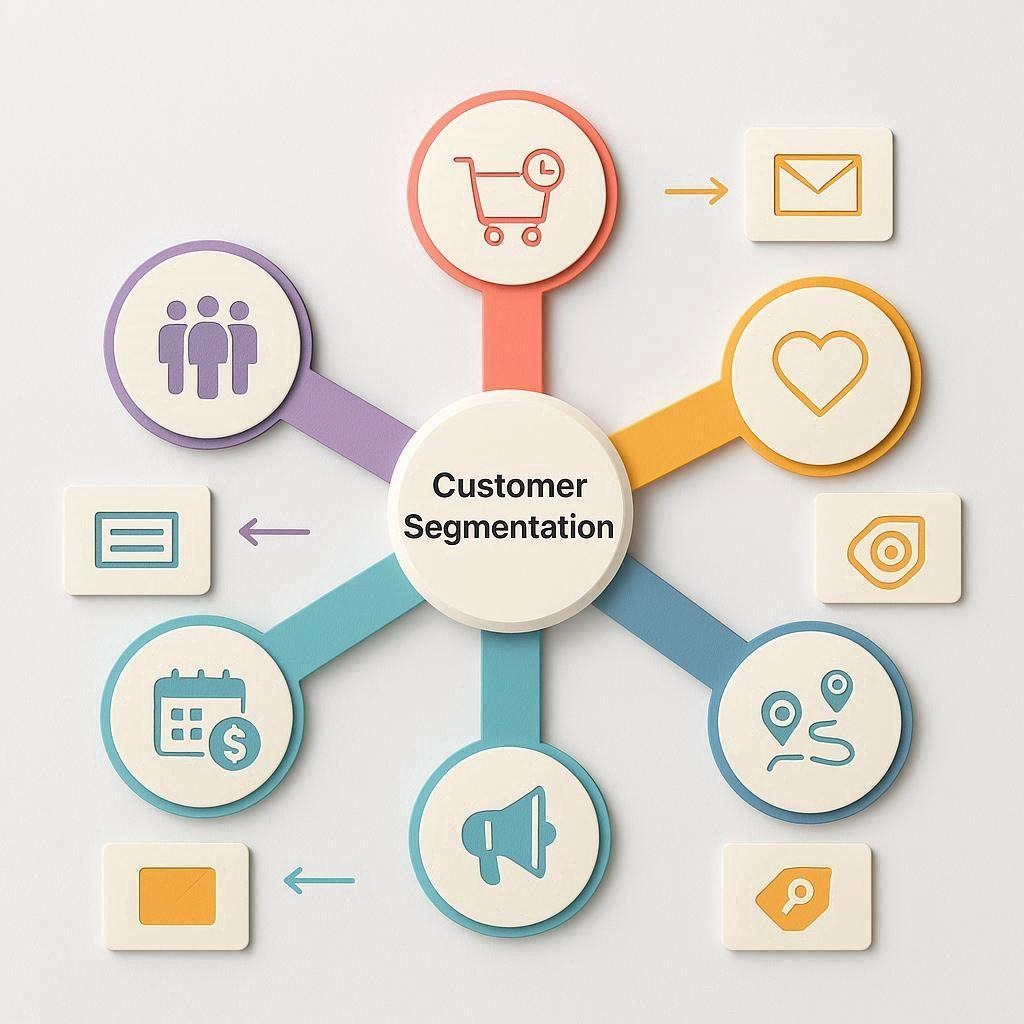
Today’s digital buyers want more than just awesome products. They’re looking for timely, relevant, and personalized interactions with brands. Failing to meet these needs makes it harder for businesses to keep customers engaged and retain them.
Therefore, customer segmentation is an essential part of growing your business because it allows you to create tailored marketing campaigns. This way provides relevant experiences that result in purchasing decisions.
Many companies consider customer segmentation as a “nice-to-have” feature. However, having a cohesive strategy is an absolute necessity for business success in a world where automation and data have become part of every sales plan.
If you are an entrepreneur or salesperson using automated sales tools in the digital space, this article will explore the practical strategies. So you can prepare for segmenting your customer base and the steps to develop the proper approach. This will increase engagement and revenue for your business.
KEY TAKEAWAYS
- Understand why segmentation matters in today’s sales landscape.
- There are effective segmentation strategies that actually work.
- Boosting sales through hyper-personalized experiences.
Why Segmentation Matters in Today’s Sales Landscape
Due to personalization and automation, segmentation demands are increasing in the sales landscape. Read further to know everything in detail.
The Shift From Broad to Personalized Experiences
In the past, marketers relied heavily on mass outreach: a single campaign meant to reach thousands of potential customers. But as competition intensified and consumer expectations evolved, this approach began to lose effectiveness. Today, customers want to feel understood. They want experiences and messages that speak to them — not just to everyone.
Customer segmentation empowers businesses to create more meaningful interactions. Rather than sending the same message to everyone, you can tailor your emails, offers, and follow-ups based on specific customer attributes, such as industry, behavior, or past purchases. That small shift in targeting can lead to significantly higher engagement, retention, and ultimately, revenue.
For example, segmenting users based on buying behavior allows sales teams to send reminders to hesitant prospects or upsell to loyal customers at the right moment. This fine-tuning is what transforms a good customer experience into a great one.
The Role of Automation in Effective Segmentation
Automation tools have made segmentation not only easier but smarter. With CRMs and marketing platforms capturing a wealth of customer data — from email open rates to purchase history — it’s possible to set up dynamic segments that update in real-time.
Say your lead engages with your product demo and then visits your pricing page twice. This behavior can automatically trigger their inclusion in a “high-intent” segment, prompting a personalized follow-up email from your sales team. That’s the power of pairing segmentation with automation.
These strategies also pair well with visual platforms. For example, leveraging Kommo’s Instagram marketing tools can help businesses showcase tailored product recommendations to specific audience segments, ensuring higher engagement on mobile-first platforms.
Effective Segmentation Strategies That Actually Work
The strategies below are key performance indicators in implementing effective segmentation.
Demographic and Firmographic Segmentation
This is the most straightforward form of segmentation and a great starting point. It involves grouping customers based on identifiable traits such as:
- Age, gender, and location (for B2C)
- Company size, industry, and job title (for B2B)
While basic, demographic segmentation can still offer meaningful insights. For instance, a SaaS company selling automation tools may target HR managers at companies with over 100 employees, customizing its messaging to reflect HR pain points like time-consuming onboarding processes or compliance issues.
This approach also works well in outbound sales. Instead of cold-emailing a generic pitch, teams can tailor messaging based on firmographics, leading to better open and reply rates.
Behavioral Segmentation
Going a level deeper, behavioral segmentation groups users based on how they interact with your product, site, or campaigns. This level of segmentation is extremely powerful for triggering automations. For example, someone who downloaded an eBook and attended a webinar might fall into a “research phase” segment.
To refine this process, many companies are now deploying an AI Agent to monitor behavioral triggers, providing instant and relevant interactions without increasing the workload of the sales team. This ensures that a high-intent user receives a response in seconds, significantly increasing the chances of conversion.
Boosting Sales Through Hyper-Personalized Experiences
Psychographic segmentation and predictive segmentation provide ideas for hyper-personalized experiences for consumers.
Psychographic Segmentation: Values, Lifestyle, and Motivations
Psychographic segmentation explores the why behind buying decisions. What motivates your customer? What are their values, priorities, or aspirations?
To apply psychographic segmentation effectively, use surveys, social media polls, or qualitative interviews. Even analyzing common phrases in customer support tickets can help surface core motivations.
This deeper level of personalization can also be amplified through social media insights. A CRM with integrated social capabilities allows your sales team to tailor outreach based on a contact’s professional interests — making every interaction more relevant.
Predictive Segmentation Using AI and Machine Learning
As customer data grows, manual segmentation becomes unsustainable. This is where AI comes into play. Predictive segmentation uses algorithms to analyze customer behavior and identify patterns that humans might miss.
These tools can predict which users are most likely to churn, which ones are ready to upgrade, or who might respond well to a limited-time offer. Some platforms even score leads automatically, assigning them to the most appropriate funnel stage based on real-time activity.
Predictive models also allow for dynamic, evolving segments. As customers’ behaviors shift, so does their placement in your funnel — allowing your messaging to stay one step ahead. This is particularly useful for subscription-based models or products with long sales cycles.
For sales professionals, predictive segmentation means focusing time and energy on leads that are statistically more likely to convert. For marketing teams, it ensures your content reaches the right eyes at the right moment.
Final Thoughts: From Data to Results
Customer segmentation isn’t about categorizing people into boxes — it’s about making your business more responsive, more human, and ultimately, more effective. With the right mix of strategy, data, and automation, segmentation empowers you to meet your audience where they are — with what they need, when they need it.
The most successful companies in the digital space aren’t those with the biggest audiences, but those who know their audiences best. By investing in smarter segmentation, you don’t just improve customer experience — you create a roadmap for scalable, sustainable growth.
Ans: Avoid over-segmentation, creating too many small, unmanageable groups, and neglecting data privacy laws. Ensure segments are large enough to be profitable.
Ans: Collect data, define goals, analyze & group, and tailor tactics to start segmenting for customers.
Ans: Main types are demographic, geographic, psychographic, and behavioral.



© 2026 allinsider.net All rights reserved