How Digital Tools Are Transforming Modern Medical Practices
Jump To Key Section
- Patient Records Are Becoming More Connected
- Administrative Work Is Becoming More Manageable
- Telehealth Is Changing Where Care Happens
- Digital Diagnostics Are Supporting Faster Decisions
- Patient Communication Is Becoming More Immediate
- Data Is Helping Practices Understand Their Patients
- Technology Is Changing the Skills Medical Teams Need
- The Best Digital Tools Make Care Feel More Human
- FAQs
It doesn’t take a lot of effort to notice that something’s changed in the medical field. Examination rooms and paper files are actively being replaced by digital systems that are much quicker and complete processes almost instantly.
As the relationship between technology and medicine keeps evolving, digital tools are becoming part of the everyday workflow of care instead of being an optional extra included later on. But what software actually cuts down on repetitive work, or hands a bit more time for the clinician?
Let’s take a look at such digital platforms and how they incorporate newer practices into their daily operations.
Patient Records Are Becoming More Connected
Paper-based practices tend to spread patient information everywhere at once: handwritten notes in one folder, printed test results in another, referral letters and old filing systems tucked away somewhere nobody quite remembers to check. Pulling together a complete history takes real time, especially for someone who’s bounced between several providers over the years.
Electronic records pull most of that scattered mess into one place. A clinician can review medications, allergies, past diagnoses, lab results, and treatment plans before ever stepping into the exam room.
That access supports better decisions and lowers the odds of something slipping through the cracks on a day when the schedule’s already running forty minutes behind, and nobody’s had lunch. But the value depends entirely on how well the system fits the practice using it.
Technology should make information easier to grasp at a glance, not bury clinicians under an endless scroll of menus and alerts.
That balance matters more than it looks like it should on paper.
Administrative Work Is Becoming More Manageable
A medical practice runs on a lot more than diagnosing illness, even though that’s the part most people picture first. Staff schedule visits, confirm insurance, process payments, answer messages, send reminders, and prepare documentation, often all before lunch on what counts as a slow day.
Digital tools automate a good portion of that. Online scheduling lets patients book without sitting on hold listening to elevator music. Automated reminders cut down on missed visits. Digital intake forms let people hand over information before they’ve even parked the car.
For smaller clinics, choosing the right EHR software for primary care can pull scheduling, documentation, billing, and patient communication into one coordinated workflow instead of five disconnected systems quietly fighting each other in the background.
None of this removes people from the process. It clears away the repetitive work that keeps skilled staff from handling the questions that actually need a human behind them, not a script. The front desk feels calmer almost immediately. Phone lines stay less jammed. Patients spend less time filling out the same form for the third time that year.
It’s a practical improvement. Nothing flashy about it. Patients notice it right away regardless.
Telehealth Is Changing Where Care Happens
For generations, seeing a doctor meant driving to a clinic, sitting in a waiting room flipping through the same three outdated magazines, and meeting face to face regardless of how minor the issue was. Telehealth loosened that model fast.
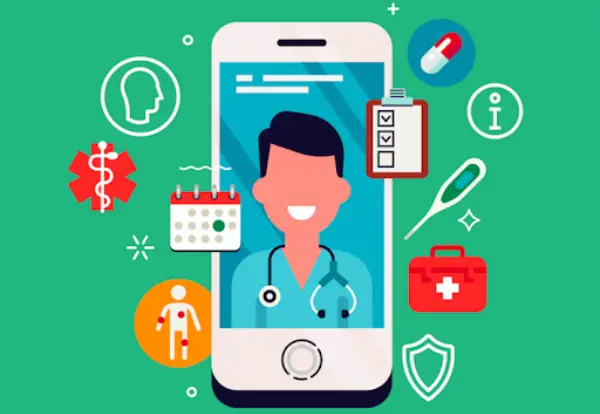
Video appointments help patients who live far from a medical office, deal with limited mobility, or need a quick follow-up that doesn’t require a physical exam. They also make care easier to fit around work, school, and family life that rarely leaves much slack in anyone’s schedule.
Telemedicine is one clear example of how technology can stretch access to medical expertise across distance, though that access still depends on reliable internet, the right devices, and resources that aren’t evenly distributed everywhere, a gap worth remembering before assuming the shift solves everything.
A virtual visit can’t replace every exam, scan, procedure, or in-person conversation that genuinely needs a hand on the shoulder or a closer look at something worrying. It was never meant to. Telehealth simply gives practices another way to deliver care when a physical visit isn’t necessary or is genuinely hard to arrange, one more doorway into the system rather than a replacement for the ones already open.
Digital Diagnostics Are Supporting Faster Decisions
Modern practices lean heavily on digital tools to figure out what’s happening inside the body, often long before symptoms make it obvious to anyone, sometimes years before.
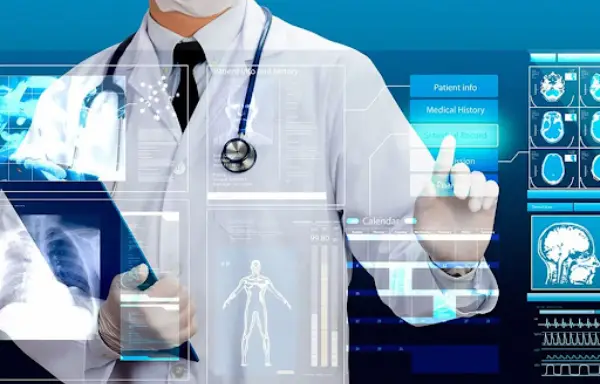
Imaging technologies like MRI, CT, and PET scans let clinicians examine internal structures and biological activity in ways that simply weren’t possible a generation ago. Software helps organize lab findings, compare results over time, and flag values worth a second look before they turn into a bigger problem. Clinical decision support systems can nudge providers about medication interactions, recommended screenings, or unusual patterns buried in a record that might otherwise slip past on a packed schedule.
None of these tools replace medical judgment. They support it, quietly, running in the background of nearly every decision made in a day. A digital alert can’t understand a patient’s fears, family situation, or personal priorities, and it can’t catch the hesitation in someone’s voice during a hard conversation about what comes next. That part still takes a person in the room.
Technology surfaces the pattern. A person still has to decide what it actually means.
Patient Communication Is Becoming More Immediate
People expect quick updates in nearly every part of their lives now: texts answered in minutes, packages tracked down to the block. Healthcare has historically moved a lot slower than that.
Patient portals and secure messaging are closing that gap, bit by bit. A patient can check test results, request a prescription renewal, ask a follow-up question, or pull up visit information without picking up the phone. Updates get checked whenever it’s actually convenient, at eleven at night on a couch if that’s when the question finally surfaces, not just during office hours.
That said, faster communication brings new expectations along with it, whether anyone asked for them or not. Patients can start assuming every message deserves an instant reply, and clinicians can feel real pressure managing a growing inbox alongside a full schedule with barely a gap between one patient and the next. Practices need clear boundaries and response standards here, or convenience quietly turns into another source of burnout for the people providing care.
Data Is Helping Practices Understand Their Patients
Digital systems do more than store individual records. They help a practice spot patterns across entire groups of patients at once, patterns no single chart would ever reveal on its own.
A clinic might use data to flag people overdue for screenings, track patients with chronic conditions, or catch gaps in follow-up care before they quietly turn into something worse. Instead of waiting for someone to show up with a problem that’s already gotten serious, the practice gets to lean into a more proactive approach from the start. That’s a real opportunity for earlier intervention, the kind that actually changes outcomes.
It also raises serious questions about privacy, consent, and security that can’t get brushed aside just because the technology is convenient. Medical information is deeply personal, and patients need real confidence that their records are protected and access stays limited to the people who genuinely need it. A tool that saves time isn’t useful if it quietly erodes the trust holding the whole relationship together.
Technology Is Changing the Skills Medical Teams Need
Doctors, nurses, and administrative staff now need more than clinical know-how and office routine learned back in school. They need to navigate software, protect digital information, manage virtual communication, and keep pace with updates that land faster every year, ready or not.
That learning curve can be genuinely frustrating, no way around it. A new system often slows people down before it helps them, and poor training can turn a useful platform into an expensive obstacle instead of the improvement it was supposed to be.
Practices that get this right treat implementation as a human process, not just a technical installation. Staff need time to learn, ask questions, test workflows, and say honestly what still isn’t working three weeks in. The people using the technology every day deserve a real voice in how it gets introduced to begin with, not just a memo announcing the change.
The Best Digital Tools Make Care Feel More Human
There’s a reasonable fear that more technology makes healthcare feel colder and more distant than it already sometimes does. A clinician staring at a screen can seem less present. Automated messages can feel impersonal. Portals and virtual visits can seem like barriers instead of bridges.
That happens when technology gets used without much thought behind it, dropped in simply because it’s available rather than because it genuinely helps.
But digital tools can also open up more room for connection, more than people expect walking in skeptical. When a doctor can pull up information quickly, there’s more time left for actual conversation instead of flipping through a folder mid-visit. When administrative work runs on autopilot, staff can spend more energy on patients with complicated needs instead of chasing paperwork. When follow-up is easier to reach, people feel a lot less forgotten once they walk out the door and back into their lives.
The real measure of progress was never how advanced a system looks on a spec sheet.
It’s whether it helps people get clearer, safer, and more compassionate care than they would have gotten otherwise. Nothing more complicated than that.
Modern medical practices will keep adopting new platforms, devices, and forms of automation, some quietly, some with a lot of fanfare. Some will become essential, so essential nobody remembers life before it. Others will vanish just as quietly after failing to solve a real problem in the first place. The strongest practices won’t reach for technology just because it exists and looks impressive in a demo. They’ll choose it deliberately, train people properly, protect patient trust, and keep human judgment sitting firmly at the center of everything they do.
Healthcare may be growing more digital by the year. Care itself has stayed exactly as personal as it’s always been, and probably always will.
FAQs
Q1) What are the expectations for new doctors?
Ans: They need to know how to navigate software, protect digital information, manage virtual communication, and keep pace with updates that land faster every year, ready or not.
Q2) How have the expectations of patients changed with this?
Ans: Patients now expect that every message deserves an instant reply, and clinicians can feel real pressure managing a growing inbox alongside a full schedule with barely a gap between one patient and the next.
Q3) How do video appointments help?
Ans: Video appointments help patients who live far from a medical office, deal with limited mobility, or need a quick follow-up that doesn’t require a physical exam.