How AI Algorithms Decide What You See on Social Media Feed
Have you ever noticed how opening a social media app can feel kinda like stepping into a custom-made world, like it was built for you specifically? One person might get endless cooking tutorials, while a friend’s feed looks mostly like travel vlogs or those fitness routines.
And no, this hyper-focused experience isn’t random, not really. It comes from complicated mathematical rulebooks, the kind that quietly decide what people actually see each day.
If you want to understand the whole thing, learning how AI algorithms decide what you see on social media can turn that “mystery behind the screen” into something clearer.
The Basics of Social Media Algorithms
A long time ago, social platforms mostly showed posts in straightforward reverse chronological order. The newest update was always at the top, like a simple stack of time. But once millions joined, and content multiplied fast, platforms had to handle the noise somehow.
So they moved toward artificial intelligence. Nowadays, the main target for most platforms is engagement. The longer a person keeps browsing, the more ads they’re likely to encounter. In other words, Artificial Intelligence (AI) is used as the main instrument to stretch that time on screen.
The Key Signals Artificial Intelligence Tracks
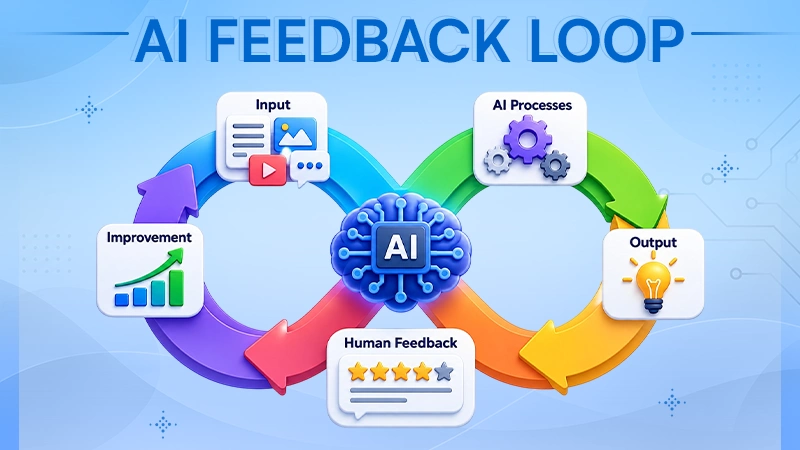
Think of the algorithm like a silent observer that keeps learning from almost everything, including scroll speed, taps, and even those little pauses. To assemble a distinctive feed, the system depends on a handful of core signals:
- User Interactions
The app notes when you like, comment, share, or save a post. That helps the AI locate similar themes and topics that match your behavior.
- Watch Time
Even if you don’t click anything, simply lingering, like pausing on a photo or finishing a video, can count as strong interest. That “time spent” is a big clue.
- Content Details
The system studies captions, hashtags, and the actual visuals. It then sorts each item so it knows what kind of post it is and where it fits.
- Relationships
Posts from accounts you search for often, or those you message frequently, tend to get promoted higher. Basically, it assumes you care, even if you never say it directly.
Wrap-Up
Social media sites are no longer just passive bulletin boards. They act like active curators, picking what feels relevant. By closely watching user behavior, it helps deliver a stream that’s customized for one person, not everyone. And yeah, that makes the apps unbelievably entertaining.