What is Algorithmic Bias? Risks of AI Decisions
AI technologies contribute to many automatic decisions made by people every day, from resume filtering to loan application evaluation. In cases where the result of the algorithmic work is systematically biased, we can speak about the phenomenon called algorithmic bias. It is crucial to understand how the algorithms acquire and strengthen human biases because AI becomes increasingly relevant in modern life.
Basics: What is Algorithmic Bias?
Algorithms become a source of bias in cases when they generate repeatable systematic errors and benefit one particular group of people over another. Contrary to popular beliefs, computers are far from being unbiased machines.
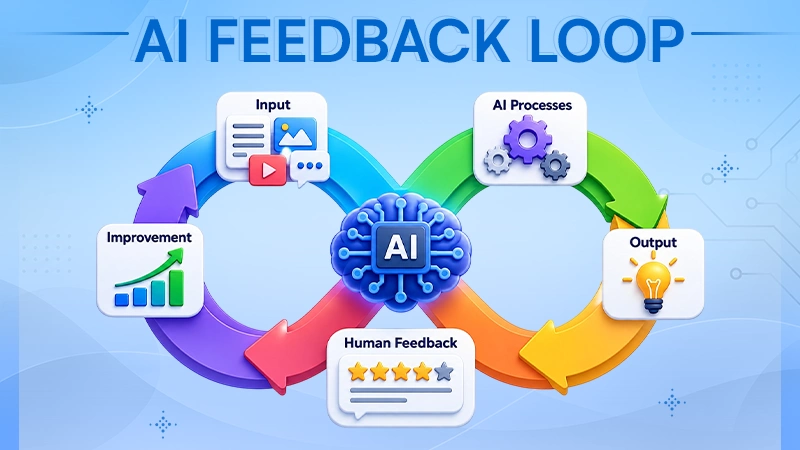
Machine learning models learn from patterns discovered in historical data. Thus, if the historical data is based on any societal bias, incomplete statistics, or skewed data, then the generated algorithm will have all the same flaws. Main sources of bias are:
- Imbalanced Training Data: If some groups are not represented sufficiently in the data, then the algorithms will have difficulties making appropriate and unbiased decisions concerning them.
- Flaws of Assumptions: Cognitive bias of humans is reflected in the assumptions that they make while building the rules and variables of a model and its goals.
The Practical Consequences of Algorithmic Bias
Unmitigated algorithmic bias could lead to practical consequences, where personal finances, careers, and freedom would be at stake.
- Discrimination During the Recruitment Process
Recruiting algorithms that were trained on prior employee data might be biased towards certain candidates, thus discriminating against others due to gender, age, or ethnicity.
- Inadequate Access to Credit
Financial algorithms could inadvertently reject loan applications or set higher rates for minorities due to the reliance on the history of zip code or income levels.
- Face Recognition Misidentifications
Surveillance and recognition algorithms are known to have a greater margin of error in the case of darker skin.
- Echo Chambers Online
Algorithms designed to show more engaging content could lead to further discrimination of individuals due to their prejudices.
Also Read: How AI Algorithms Decide What You See on Social Media Feed
Mitigation of AI Risks for Organizations
Prevention of systemic biases within the automated systems is possible only by careful monitoring of the whole development process.
- Diverse Data Auditing: The developers need to make sure that the data sets used for the training process are balanced, comprehensive, and representative of various demographics.
- Inclusion of Diverse Development Teams: Working with various teams will help identify potential risks before the algorithms are implemented.
- Continuous Testing: Testing the working algorithms can show discriminatory patterns depending on the current situation.
Conclusion
Although artificial intelligence can provide unprecedented speed and analytical skills, it is still a result of the input data. Awareness about the existence of algorithmic bias helps organizations create unbiased technology.