Micro-Influencer Campaigns for Local and Regional Brands on a Small Budget
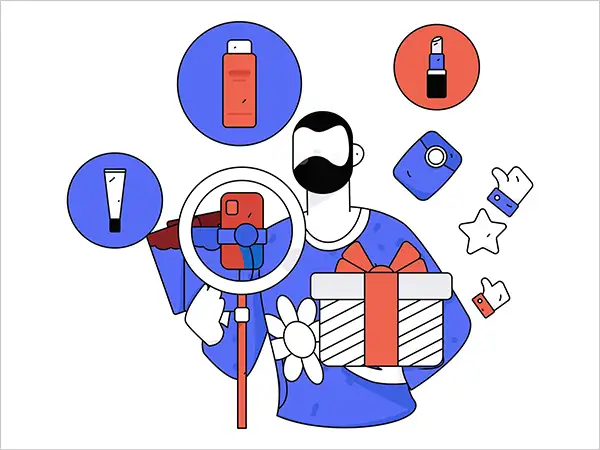
Micro-influencer campaigns help local and regional brands to build high-trust engagement and drive skills on a modest budget. By spreading funds across multiple small creators instead of a single expensive celebrity. Their campaigns use creators with smaller but highly engaged audiences to deliver authentic, niche, relevant brand messaging. Let us explore in detail how micro-influencer campaigns work.
Quick Answer
Micro-influencer initiatives give local and regional brands an affordable way to reach nearby customers who actually trust the person suggesting you. Because these influencers have smaller, tighter-knit audiences, they cost far less than big names and often accept free product plus an unassuming fee. For a business helping one town or region, that means real bookings, store visits, and sales without a large marketing allowance behind it.
Introduction
Picture a small bakery that allocates months to paid ads and sees almost nothing, then gives a dozen free pastries to a local food blogger and sells out by the weekend. That happens more constantly than most owners expect, and it points to something simple that people listen to voices they already follow.
Local and regional brands hardly ever need a celebrity. They need someone whose neighbours pay attention. A marketing coworker like GrowME Marketing will often point smaller clients toward these locality creators first, because the reach lands where it counts, among people who could practically walk through the door.
That shift, from pursuing big numbers to earning the right small ones, is what makes these initiatives work. The rest comes down to knowing who to target, what to pay, and how to prove it cleared.
Why Small Creators Win the Local Audience
The intuition for many business owners is to chase the biggest account they can afford. That’s usually the wrong move. An influencer with half a million followers can scatter your message across the whole country, when your customers live within a 20-minute drive. Smaller influencers solve that mismatch, and they do it for a portion of the price.
The industry sorts influencers into tiers by audience size. For a business serving one town or region, the two smallest levels matter most.
Nano vs Micro Influencer: Spotting the Difference
The line between the two decrease to audience size and how the relationship feels.
| Creator type | Follower range | Typical engagement | What they’re best for |
| Nano | 1,000–10,000 | 6–10% or higher | Neighbourhood shops, pop-ups, first campaigns |
| Micro | 10,000–100,000 | 3–6% | Product launches, seasonal pushes, niche audiences |
Nano creators feel like a friend giving a suggestion, and their followers often live nearby. Micro creators reach additionally and carry a bit more polish, which suits a brand ready to grow beyond one postal code. According to Shopify data, nano-influencers average roughly 6.29% engagement while mega-creators sit near 1.8%. That wide gap simplifies why smaller voices spark comments like “I’m going this weekend” instead of quiet likes from strangers three territories over.
How Much Do Micro Influencers Charge
Valuing swings based on platform, follower count, and how much work the content takes. Rough Canadian-equivalent micro creators marketing cost ranges look like this:
- Nano creators: often 10–100 per post, and many will accept free product plus a small fee
- Micro creators: usually $100 to a few hundred per post, more for particular reviews or video
- Stories and short clips: cheaper than a full feed post or a refined reel
- Long tutorials or unboxings: the steepest format, since they demand real production time
For a tight budget, the good news is that you hardly ever pay a flat sponsorship rate. A gifted meal, a free service, or a product sample carries real pressure with creators at this level, and pairing that with a humble payment keeps the whole campaign reasonable.
Content Formats That Move People Nearby
Different businesses get traction from different micro-influencer campaign examples. A few pairings that dependably work:
- Restaurants and cafés: a first-look reel can fill tables within a couple of days
- Salons and spas: before-and-after posts book engagement faster than banner ads
- Trades and home services: Review clips add trust a search ad can’t buy
- Boutiques and retail: Haul and outfit posts push specific items and same-week visits
The common thread is content that looks like a real suggestion, not a commercial. That originality is exactly what a neighbour’s feed delivers, and it’s why the next question, how you genuinely find these people, decides whether the whole effort pays off.
How to Find Micro Influencers Worth Paying
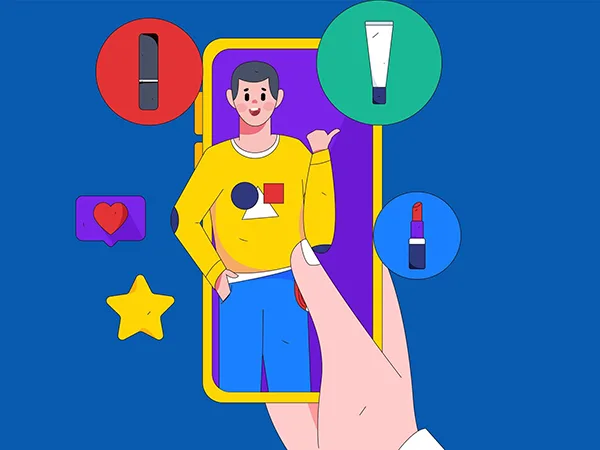
Finding a good local creator takes less operative work than owners fear, but rushing it wastes money fast. The goal is a person whose audience overlay with your real buyer base: same city, same interests, same kind of life. A vegan chef with a huge following two departments away does nothing for a butcher shop in your town.
Start where your customers already are:
- Search location hashtags and mentioned posts to see who’s already talking about your area
- Check who mentioned nearby businesses similar to yours, then look at their followers
- Ask loyal consumers whether they follow any local food, fitness, or lifestyle accounts
- Browse creator medium like Collabstr or Upfluence that let you filter by region and niche
Vetting a Creator Before You Pay
Follower counts lie more frequently than owners realize, so a quick check protects your budget. Fake followers and void engagement are common, and one dud partnership can consume a month’s marketing money. Run through this before communicating:
| What to check | Green flag | Red flag |
| Engagement rate | Stable 2–8% with real comments | High follower count, few communications |
| Comment quality | Real conversations and questions | Generic “Nice!” or emoji-only replies |
| Follower growth | Progressive, consistent climb | Sudden unexplained decline |
| Audience location | Mostly local to your area | Spread across random countries |
Free tools such as Social Blade help spot questionable patterns in minutes. A creator with 5,000 genuine local followers will almost always exceed one with 50,000 padded ones.
Keeping the Agreement Simple
You don’t need a lawyer for a small initiative, but a short written note prevents headaches. Confirm the outcomes, the timeline, and what each side gives. Spell out how many posts, which application, whether stories are included, and when they go live. Note that you’d like to utilize the content on your own channels, since that permission matters later. Keeping it obvious and fair also builds the kind of current relationship that turns a single post into a repeat supporter, and a creator who actually likes your brand will talk about you long after the campaign ends.
Once the partnership is set and the content is live, the final piece is working out whether the whole thing was worth it, which is where a bit of following makes all the difference.
Turning One Post Into Steady Local Growth
Small influencers give local and regional brands something the big names can’t: trust that already lives inside your locality. Winning here has little to do with budget size. It’s financial owners who pick the right person, agree on fair and simple terms, and pay attention to what the numbers tell them later.
Keep the undertaking grounded. Choose creators whose followers could realistically become your customers, check that their viewership is real before any money changes hands, and trace visits, bookings, or sales so you know what worked. Treat a strong partnership as the start of a relationship instead of a one-off, and today’s single post can become next season’s stable stream of transfer. Start with one creator, one clear goal, and one honest look at the results, then grow from there.
FAQs
Ans: Microinfluencers have roughly 10,000 to 1,00,000 followers on social media.
Ans: Yes, even for product gifting or low-cost collaboration, always outline expectations in writing, covering deliverables, posting timelines, usage rights, and mandatory disclosure tags.
Ans: Instagram is the most commonly used social media platform for influencer marketing collaboration.