A Complete Guide to Protecting Your Items During a Move
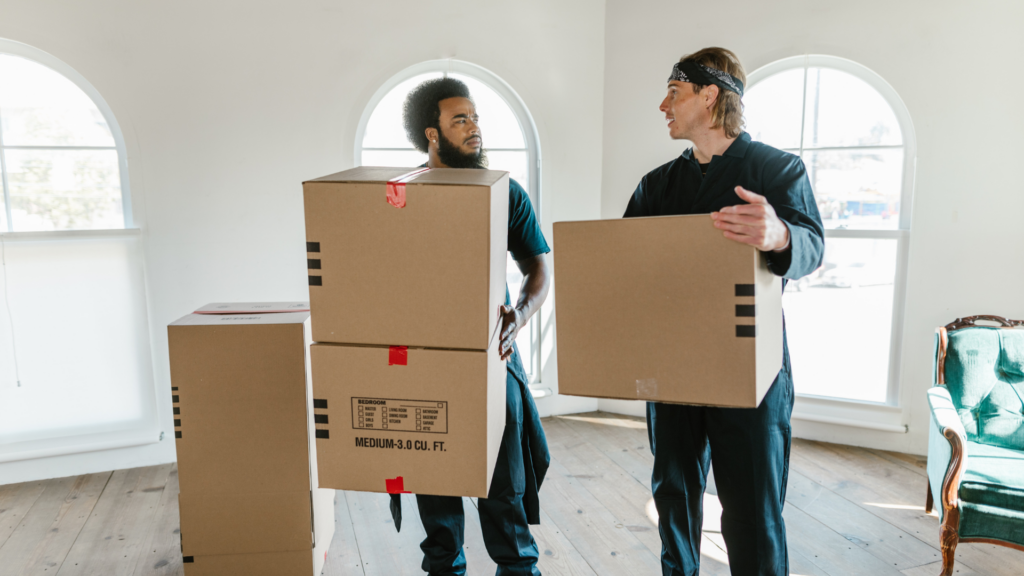
No wonder “47% said they would overpay if it meant they would have a disaster-free move”. Because all that excitement and fun goes in a second when something valuable, such as imported crockery, breaks down.
But here is the good news – most of the moving damage can be avoided with some smart practices. Just with practical planning, using quality packing material, and giving a little extra care, you can ensure full protection of your belongings.
This guide explains in detail how one can protect their autism during a move.
Key Takeaways
- Ensure the use of packing materials that match with the item type. Fragile materials should be packed with more care.
- Declutter a few days early, categorize things, and label them clearly to make the move smoother.
- It is better to check fragile items as you unpack, so any damage can be identified early.
Choosing the Best Packing Materials for Moving All Item Types
Once you know what you’re battling with, choose materials that cushion, block moisture, and stop items from resting against each other. You don’t need every item on the shelf. You do need the right defense for the right item.
Pick Supplies That Match the Risk
For long-distance moves, tight pathways, elevators, shared trucks, or storage stops, do a little homework before buying what you need. This guide to the best packing materials for moving can help you think beyond “boxes and tape.”
Sturdy cartons, packing paper, bubble padding, foam corners, stretch wrap, and moving blankets each do a unique job. Dishes need cushioning. Furniture needs a surface sealant. Electronics need rigid packing and static control. Don’t handle them all the same.
Use Greener Options When They Work
Reusable bins, reused packing paper, rented wardrobe boxes, and plant-based packing peanuts can work well and offset waste. That said, don’t let green products become “barely strong enough.” Heavy dishes in a weak reused box are still a crisis waiting to happen.
Sustainable is great. Making it through the trip is better.
Compare Materials Before You Pack
| Item Type | Better Protection | Avoid This |
| Dishes and glass | Packing paper plus cushioning | Loose stacking |
| Electronics | Anti-static wrap and snug padding | Newspaper ink |
| Furniture | Moving blankets and stretch wrap | Bare truck walls |
| Artwork and mirrors | Corner guards and flat boxes | Pressure from heavy boxes |
Even good substances can cause problems when used the wrong way. Too much space helps items shift. Bad tape breaks open. Newspaper ink can rub onto surfaces. The idea is protection, not just support for the sake of padding.
Essential Pre-Move Planning for Maximum Protection
Good packing began with a plan, not tape. When you determine what you own, what counts most, and what requires extra care, you cut down the dangers of breakage, loss, and impulsive panic.
Create a Moving Day Inventory Checklist
Before you pack the first box, use these shipping tips to get settled room by room. Write down pricey items, electronics, fragile pieces, documents, and anything you would not want to lose. A spreadsheet exists. So does a notebook. Your phone camera is even better.
Take photos of pricey or delicate items before sealing them. If something arrives damaged, those snaps can save you a lot of back-and-forth.
If you’re confused about how to protect items during a move, start with a simple rule: know what you packed, where you packed it, and which box it fell into.
Sort by Fragility and Value
Once your file system is started, group items by risk. Electronics, antiques, artwork, glassware, jewelry, legal papers, and family keepsakes should never be merged in with random kitchen items or garage tools.
Color labels indicate more than you might expect. Red can mean fragile. Blue can mean open first. Green can mean a large value. It might appear basic, but on moving day, basic schemes are the ones people actually follow.
After that, your next job is picking out supplies that match the risk. A flawless label won’t save a crystal bowl inside a weak box.
Also, learn how marketing innovation drives online business expansion.
Step-by-Step Packing and Loading Methods
Now that your supplies are ready, put them to work with care. Think of this row as a practical moving safety guide for objects that can crack, bend, scratch, or fall in the shuffle.
Wrap Fragile Items the Smart Way
When you’re handling fragile items, wind each piece on its own. Fill the gaps so nothing moves inside the box. Put larger items at the bottom and lighter materials above them.
Plates should be packed standing up like records, not stacked flat under strain. It feels odd the first time, but it helps deter cracking.
For very tender pieces, double-box them. Place the enveloped item inside a small padded box, then put that box inside a larger one with pillows on every side.
Secure Electronics and Appliances
Electronics do not love heat, inactive, dust, or loose movers. If you still have the former boxes, use them. If not, pack devices tightly with soft padding. Tape the cable to the same device, label ports with painter’s tape, and keep remotes with the tools they are tied to.
If professionals are getting there for you, plan the timings accurately: “A single packer can pack 100 square feet in an hour, on average”. That is valuable. Heated packing is where corners get cut.
Load the Truck With Pressure in Mind
People often look for the best ways to pack for moving, but preparing the truck matters just as much. Top-quality furniture and solid boxes should go low and toward the top. Fragile boxes should sit upward, snugly secured, and away from anything that can shift into them.
A well-packed box can still crack if it slides across the truck or gets caught under a dresser. Loading is part of the defense plan.
Checklist for Theft, Weather, Accidents, and Unpacking
Packing protects against bumps. You also need to think about rain, theft, slips, failing paperwork, and messy unpacking. Not popular, I know. But this is the item that saves your sanity.
Weatherproof the Move
Use waterproof bins for documents, photos, electronics, linens, and anything that would be ruined by moisture. If boxes may sit in a garage, truck, or storage unit, add silica gel cups during humid weather.
Keep shields or plastic caps close by. Rain rarely waits quietly while you unload.
Keep Valuables and Paperwork Close
Jewelry, passports, drugs, leases, titles, laptops, chargers, and valuable documents should travel with you. Not in the cargo truck. Not “someplace near the front.” With you.
Covering totes can help, but intimate control is safest for permanent items. For bigger moves, GPS trackers or smart tags can also help you locate key boxes quickly.
Inspect Damage While Unpacking
Open the most significant boxes first. Check fragile items before removing the packing materials. If something is broken, take photos, keep the packaging, and write down when and where you saw the damage.
Clear proof makes claims easier. It also helps you identify whether the error came from packing, loading, or transport.
Also, explore 8 of the best AI data infrastructure frameworks for guardians.
Final Thoughts on a Safer Move
At the end of the day, ensuring a smooth move is not about using too many of the packing supplies; it is about using the right one in the right place. Following simple practices such as early planning, organising the scattered stuff, giving special attention to fragile materials and ensuring a safe loading can help you avoid most of the possible issues.
While ensuring all of this at the last moment can be chaotic, it is better to make preparations days before.
FAQs on Protecting Items During a Move
Ans: Use the right packing, wrap the fragile items well, and fill the empty space. Above this, label well for easy identification.
Ans: Collect things, divide them into categories, pay extra attention to fragile items and label things clearly.
Ans: Start with seasonal items, décor, books, and things you rarely use. Leave everyday things for the last moment.









© 2026 allinsider.net All rights reserved