Why Preventive Equipment Maintenance Supports Business Continuity
Jump To Key Section
- Reliable Equipment Protects Daily Operations
- Small Issues Can Become Larger Problems
- Maintenance Planning Reduces Downtime
- Equipment Health Supports Safer Workplaces
- Repair Planning Extends Equipment Life
- Growing Facilities Need Stronger Maintenance Habits
- Clear Records Help Teams Make Better Decisions
- Business Continuity Starts Before Problems Happen
- Strong Maintenance Creates Long Term Value
- Conclusion
- FAQs
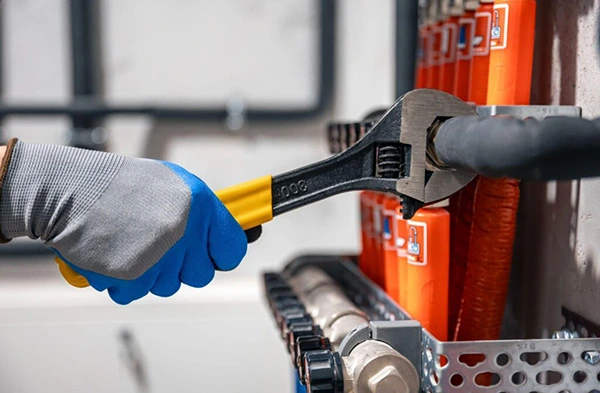
All businesses rely on systems that work when they need them to work. Electrical equipment is a large part of the daily activities of industrial sites, warehouses, data centres, utilities and commercial facilities. Transformer failures can have a rapid ripple effect. A clear maintenance plan that includes timely transformer repairs can help businesses reduce downtime, protect productivity, and keep essential work moving.
Key Takeaways
- Understanding how small issues can become larger problems
- Analyzing how maintenance planning reduces downtime
- Assessing why repair planning extends equipment life
- Exploring clear records helps teams make better decisions
Reliable Equipment Protects Daily Operations
Often, electrical systems work behind the scenes. Most teams don’t think about them until they hit a problem. The transformers, switchgear, cables and associated equipment are the machinery, lighting, climate control, servers and safety equipment that keep the wheels turning.
One part of the system fails, and the effect can cascade through many parts of a facility. Production may slow. Orders may be delayed. Staff may lose the tools they need.Reliable equipment means a stronger foundation for businesses. It allows teams to spend less time firefighting and more time on work.
Small Issues Can Become Larger Problems
There are often warning signs before equipment fails. Heat Noise. . Leeks. Poor hookups. Used parts. Bad performance. All the telltale signs of trouble brewing. The problem can fester if teams ignore these signs. Small repairs can lead to big outages. A short service window can mean a long delay. Preventive maintenance enables teams to address issues before they impact the entire operation. It also gives managers time to schedule service in a way that is less disruptive.
Maintenance Planning Reduces Downtime
Downtime costs more than lost production hours It can impact customer service, safety, shipping and project schedules.
Planned repair gives teams more control. They can select a service window, prepare backup systems, alter staffing levels, and inform key partners.
More stress from failure by accident. While crews work to restore service, some may require emergency support, replacement equipment or temporary power.
A maintenance plan reduces this risk, and also makes it easier to recover when problems do occur.
Equipment Health Supports Safer Workplaces
Electrical equipment problems can pose safety issues. Overheating, defective parts, or erratic power can put nearby systems and the workers at risk.
Regular inspections help us find unsafe conditions before they become a problem. Trained technicians can inspect equipment condition, test performance and suggest repair steps.
A safer workplace benefits employees and protects the business. It also helps companies to comply with internal standards and avoid preventable hazards.”
Safety should be a consideration in all infrastructure decisions, particularly those related to facilities with high power needs.
Repair Planning Extends Equipment Life
Transformers and other electrical assets represent a significant investment. Proper maintenance can extend their useful life and improve long term performance.
Repair planning allows teams to address wear before it leads to full replacement. In many cases, targeted service can restore performance and reduce stress on the system.
This can help with better budgeting. Planned repairs are usually less expensive than emergency response, lost productivity and hurried equipment replacement.
Keeping equipment in good repair also allows businesses to minimise waste and get more out of the assets they already have.
Growing Facilities Need Stronger Maintenance Habits
As companies grow, their electrical systems often have to carry more load. New machines, automation, cooling systems, chargers and digital tools can add stress on infrastructure.
What worked so well years ago may need more attention as operations change. Maintenance planning helps teams figure if equipment is still good for current needs.
This is important for warehouses, manufacturing sites, data centres, energy projects and other power-heavy facilities. Growth should be accompanied by periodic reviews of electrical capacity and equipment condition.
Strong maintenance habits help facilities scale with fewer interruptions.
Clear Records Help Teams Make Better Decisions
Good maintenance records help you plan better. They are a record of past repairs, inspection results, equipment age and recurring problems. This data aids managers in determining when to repair, upgrade and replace equipment. It also enables service teams to understand the history of each asset.
Good record keeping can help improve the communication between facility managers, operations teams and technical partners. Everyone has the same information to make decisions. The better your decisions, the fewer surprises you get, the better your operations run.
Business Continuity Starts Before Problems Happen
Business continuity is planning for disruption It consists of people, processes, equipment and backup plans.
Electrical maintenance is an important part of that preparation. A facility that has healthy equipment, repair plans, and trusted service support can respond more quickly when problems arise.
This preparation protects customers, employees, and business goals. It also gives leaders more confidence during periods of growth or change.
Preventive maintenance may not always feel urgent, but it supports the systems that keep work moving every day.
Strong Maintenance Creates Long Term Value
A solid infrastructure means less stress for a business. It supports uptime, safety, planning and confidence in customers.
Transformer and equipment repairs should not be viewed only as a response to failure. They are part of a wider strategy for long term performance.
“Taking care of electrical systems before serious problems develop helps companies protect their day-to-day operations and their future growth.
A good maintenance plan puts businesses in more control of risk. It helps teams avoid preventable delays and keeps essential systems primed for the work ahead.
Conclusion
Preventive equipment maintenance is essential for keeping business operations stable, efficient, and reliable.
By identifying potential issues before they become major problems, companies can reduce costly downtime, extend equipment lifespan, and improve overall productivity. A proactive maintenance strategy also helps businesses maintain safety standards, control repair expenses, and ensure consistent service delivery.
In today’s fast-paced industries, regular maintenance is not just a technical requirement — it is a key part of protecting business continuity and long-term success.