Silent Signals at Work: How Visual Communication Systems Are Transforming Modern Offices
“The ability to concentrate and to use your time well is everything if you want to succeed in business—or almost anywhere else for that matter.”
– Lee Iacocca (Author)
Focus is the most valuable resource in this fast-paced world. Employees juggle meetings, collaborative projects, emails, chats, and constant notifications throughout the day. While digital tools have made communication easier than ever, they have also increased the likelihood of interruptions that can break concentration and reduce productivity.
To overcome these challenges, organizations are increasingly turning to systems that help employees communicate availability without saying a word. Many professionals are also incorporating a pomodoro timer physical solution, into their daily routines, enabling structured focus sessions while making their work status visible to colleagues.
KEY TAKEAWAYS
- Visual communication systems reduce unnecessary workplace interruptions.
- Non-verbal signals help employees protect focus time while remaining accessible.
- Tools like busy lights and physical Pomodoro timers instantly signal availability.
- Signal-based workflows strengthen both productivity and team collaboration.
The Rise of Non-Verbal Communication in Modern Workplaces
Traditional workplace communication relies heavily on:
- Emails
- Instant messages
- Phone calls
- Face-to-face interactions
While these methods remain important, they can also become sources of distraction when overused.
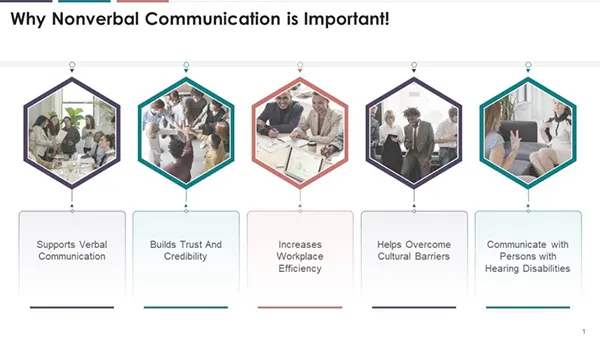
Non-verbal communication systems help reduce unnecessary interactions by providing information at a glance. Instead of interrupting a colleague to check their availability, team members can immediately understand whether someone is focused, in a meeting, or available for discussion.
Why Offices Are Moving Beyond Verbal Interruptions
Many organizations recognize that excessive interruptions can negatively affect performance. Employees who are constantly interrupted often need additional time to regain focus and complete their tasks.
Common workplace challenges include:
- Frequent unscheduled conversations.
- Unexpected requests for updates.
- Repeated status-check messages.
- Disruptions during focused work sessions.
- Difficulty identifying colleague availability.
Minimizing these makes things more productive and respectful.
How Visual Cues Shape Workplace Behavior
Visual signals influence behavior by providing immediate information without requiring direct communication. Employees naturally adjust their actions based on the signals they observe around them.
For example, a visible status indicator can encourage colleagues to postpone non-urgent conversations, reducing interruptions while maintaining effective collaboration. Over time, these visual cues are normalized, supporting productivity and mutual respect.
Visual Systems That Improve Team Coordination
Visual communication tools help teams share critical information quickly without adding to communication overload. You get better transparency without constant messaging or meetings.
From Status Updates to Instant Awareness
Traditional status updates often require employees to check messaging platforms or calendars. Visual systems simplify this process by making availability visible in real time.
The table lists various workplace communication methods and their benefits:
| Communication Method | Primary Benefit |
| Calendar Statuses | Meeting visibility |
| Team Messaging Apps | Fast communication |
| Visual Indicators | Instant availability awareness |
| Digital Dashboards | Team-wide transparency |
| Physical Pomodoro Timer | Visible focus and break management |
Employees should carefully consider when and how to use a particular one.
Tools Like On a Call Light and Busy Light Indicators in Practice
Modern workplaces prefer visual communication devices to reduce interruptions. Tools such as on-call indicators, busy lights, and status displays provide immediate awareness of an employee’s availability.
A physical Pomodoro timer can serve a similar purpose by visually communicating when an employee is engaged in focused work. Team members quickly get to know one another’s focus periods. So, they avoid unnecessary disruptions, helping create a more focus-friendly environment.
Reducing Interruptions Through Signal-Based Workflows
The effectiveness of visual communication systems increases when organizations integrate them into everyday workflows. Clear communication standards ensure that employees understand what different signals represent and how to respond appropriately.
Benefits of signal-based workflows include:
- Fewer workplace interruptions
- Better focus management
- Improved communication efficiency
- Increased respect for deep work
- Better team coordination
This boosts individual performance as well as overall organizational productivity.
Benefits for Team Productivity and Collaboration
Non-verbal communication creates a healthier balance between accessibility and concentration. Employees gain greater control over their attention while remaining accessible when necessary.
Teams that use visual signals often experience improved workflow efficiency, reduced communication friction, and stronger awareness of colleague availability. By minimizing avoidable interruptions, organizations can create environments where employees perform at their best.
Final Thoughts: The Future of Office Communication
As hybrid and flexible work environments continue to evolve, the demand for efficient communication methods will only grow to support productivity and collaboration. Visual systems provide a simple yet effective way to share information, reduce distractions, and improve workplace awareness.
Whether through status indicators, busy lights, or a physical Pomodoro timer, organizations can create more efficient work environments by helping employees communicate availability without constant interruptions. In the future, the most successful workplaces will be those that combine effective collaboration with the ability to protect valuable focus time.