Related Posts
The development of Artificial Intelligence systems depends on extensive training procedures that learn to create intelligent recommendation systems and smart assistants through distinct educational methods.
The process of Artificial Intelligence development begins with AI model training. An AI system requires its complete data set to function properly because it functions as a system that loses all capabilities without this component.
AI training requires researchers to provide an algorithm with a dataset for the purpose of discovering connections between dataset elements. The model needs to create a mathematical formula that can use new data to produce accurate results.
The model learns to identify fruit through thousands of labeled photographs, which display apples, bananas, and oranges. The system develops an understanding of the particular shapes and colors that belong to each label through its ongoing learning process.
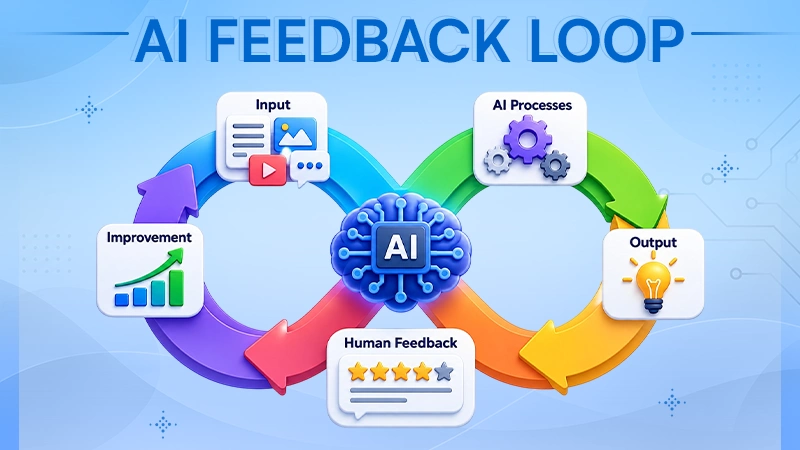
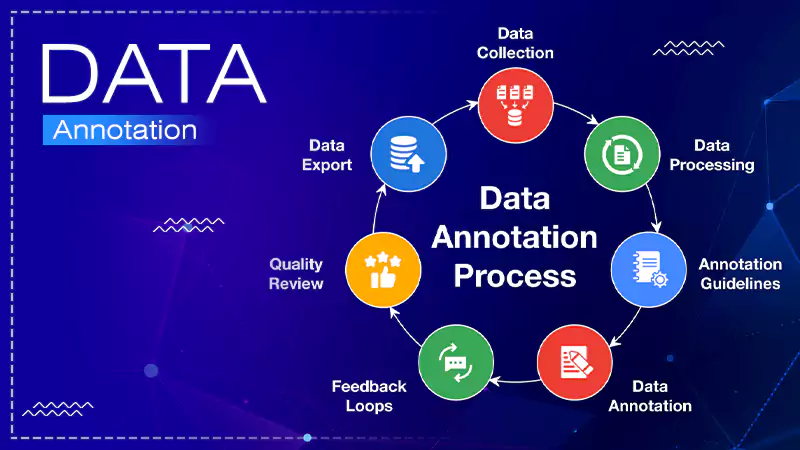
The process of transforming raw data into an intelligent model consists of multiple stages, which require separate execution.
Different teaching methods exist for artificial intelligence because different applications require different teaching methods. The method chosen depends largely on what the final product needs to accomplish.
Supervised Learning functions as an educational system that teaches students through a teacher who delivers instruction. The model uses the pre-existing labeled data, which contains correct answers, to evaluate its performance.
The system receives unmarked data, which it must use to establish its own systems of organization. This approach serves two common purposes: market segmentation and fraud detection.
The system operates through its system of rewards and penalties. The AI acquires knowledge through testing various approaches until it reaches its designated target, which resembles the process of training a pet.
Modern technological advancements rest on AI model training, which serves as their core foundation. The process converts unorganized data into structured knowledge, which enables technology to address complicated human challenges. The mathematical basis shows high complexity, but the fundamental idea exists throughout all areas of learning, which comes from personal experience.