What is Internet of Things (IoT)? Importance, Risk & Challenges
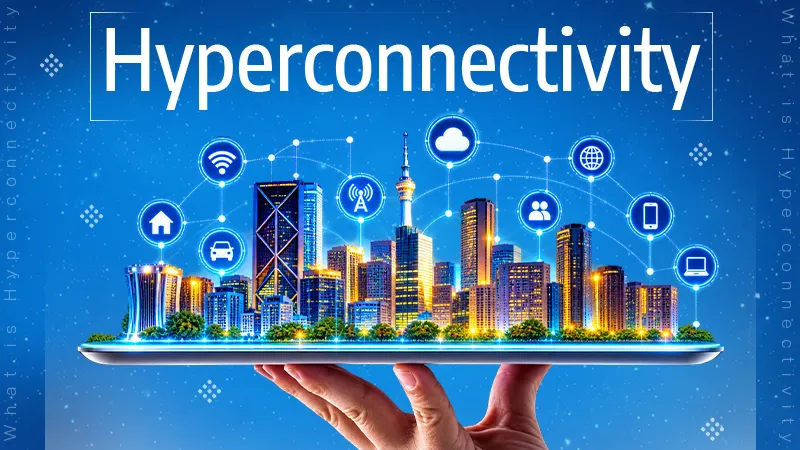
Modern digital society uses the term ‘staying connected’ to describe something that has completely transformed from its traditional definition. The term now describes a wide-reaching network that enables devices to establish contact through their built-in communication systems. This ecosystem is known as the Internet of Things (IoT).
In this blog, we are going to have a clear understanding of what is IoT and learn its importance and challenges that come along with it.
What is IoT?
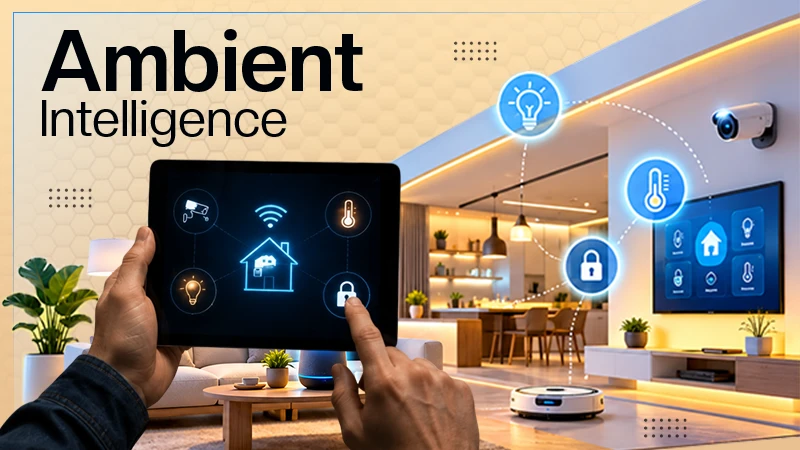
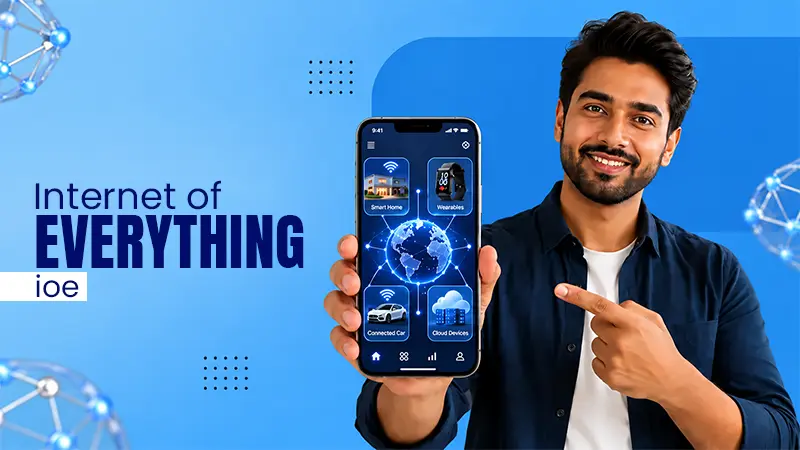
The most basic explanation of IOT describes it as a network that connects physical things that have sensors, software, and other technologies. The devices use their internet connection to share information with different systems. The term ‘things’ includes both basic home equipment, such as smart lightbulbs, and advanced industrial machinery that functions throughout international production facilities.
We create a ‘digital voice’ for every object when we add sensors to it. The system enables direct data transmission from objects while they operate without needing any human or machine interface.
Why is IoT Important?
The Internet of Things has become one of the most significant technologies of the 21st century. The system enables users to improve their daily activities through intelligence enhancements at home and work. Here is why it matters:
- Efficiency: Smart thermostats and lighting systems reduce energy consumption as it automatically adjusts to your habits.
- Automation: In factories, IoT machines can predict when they need maintenance before they actually break down.
- Health and Safety: Wearable devices monitor heart rates and activity levels, providing vital data to healthcare providers.
Risks and Challenges Associated With IoT?
The expansion of IoT creates challenges that users must overcome because of its benefits. The primary security concern exists because every connected device functions as an entry point that hackers can use to breach systems.
When a smart lock or security camera system gets hacked, it creates a direct danger to user privacy. The world needs enormous storage capacity and processing capacity to handle the vast data volume that billions of devices create.
Conclusion
The Internet of Things (IoT) represents more than a technological trend because it fundamentally changes how people connect with their physical environment. The Internet of Things creates smarter spaces that respond better to user needs by merging digital assets with physical elements.
The Internet of Things definition will transform from its current technical meaning into a vital element that people use every day as security systems become better and network connections become smoother.