The ROI of CRM Automation: How Businesses Can Achieve Growth
Jump To Key Section
- What Is CRM Automation?
- Why CRM Automation Delivers Strong ROI
- Key Benefits of CRM Automation for Sales Teams
- CRM Automation for Sales Growth
- Sales Pipeline Automation: Turning Process into Performance
- Measuring the ROI of CRM Automation
- Best Practices for Implementing CRM Automation
- CRM Automation as Part of a Modern Sales
- Conclusion
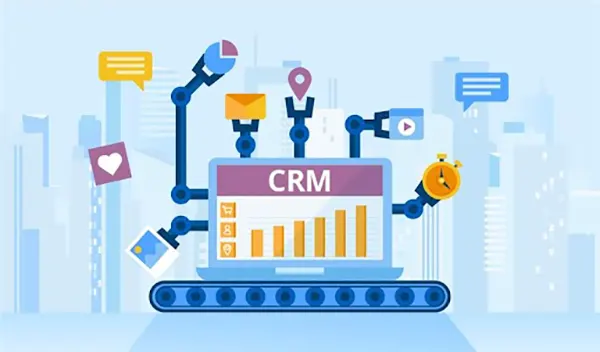
As sales cycles grow longer and customer touchpoints multiply, businesses are under constant pressure to do more with the same resources. Manual processes, disconnected tools, and inconsistent follow-ups often become hidden bottlenecks that limit growth. This is where CRM automation plays a critical role.
CRM automation is no longer just a productivity upgrade. For many businesses, it has become a measurable growth lever that directly impacts revenue, efficiency, and customer experience. When implemented correctly, automation helps sales teams focus on high-value activities while ensuring no lead, task, or opportunity slips through the cracks.
This article explores how CRM automation drives ROI, the benefits of CRM automation, and how businesses can use it strategically for sustained sales growth.
What Is CRM Automation?
CRM automation refers to the use of predefined rules and workflows within a CRM system to handle repetitive sales and customer management tasks automatically. These tasks typically include lead assignment, follow-up reminders, deal stage updates, activity tracking, and reporting.
Instead of relying on manual data entry or individual discipline, automation ensures that processes run consistently across the organisation. For growing teams, this consistency is essential to scale operations without increasing overhead.
Why CRM Automation Delivers Strong ROI
The return on investment from CRM automation comes from multiple, compounding benefits rather than a single efficiency gain.
Reduced Manual Effort and Time Savings
Sales teams spend a significant portion of their day on administrative work. Automating routine tasks frees up time that can be redirected toward prospecting, conversations, and closing deals. Over time, this time saving translates directly into higher productivity per sales representative.
Improved Follow-Up Discipline
One of the most common reasons deals are lost is delayed or missed follow-ups. CRM workflow automation ensures that reminders, tasks, and alerts are triggered automatically based on lead activity or deal movement. This leads to faster responses and higher conversion rates.
Better Sales Visibility and Forecasting
Automation keeps CRM data updated in real time. Deal stages, activity logs, and pipeline movement are captured automatically, giving managers accurate visibility into sales performance. Reliable data improves forecasting accuracy and helps leaders make informed decisions.
Key Benefits of CRM Automation for Sales Teams
The benefits of CRM automation extend beyond efficiency and impact almost every stage of the sales process.
- Consistent sales processes across teams and regions
- Faster lead response times through automated assignment
- Reduced dependency on individual memory or manual tracking
- Improved accountability with activity-based tracking
- Cleaner data for reporting and analysis
For businesses aiming to scale, these benefits create a strong foundation for predictable and repeatable growth.
CRM Automation for Sales Growth
Automation becomes a growth driver when it is aligned with revenue-generating activities rather than used only for operational convenience.
Faster Lead Conversion
Automated lead capture and assignment ensure that prospects are contacted quickly, often when intent is highest. Even small improvements in response time can significantly impact win rates, especially in competitive markets.
Higher Deal Velocity
By automating deal stage progression, task creation, and follow-ups, sales teams move opportunities through the pipeline more efficiently. This sales pipeline automation shortens sales cycles and improves overall throughput.
Scalable Sales Operations
As teams grow, manual processes break down. Automation allows businesses to scale users, leads, and deals without adding proportional administrative effort. This scalability is a key reason many organisations invest in CRM automation early in their growth journey.
Sales Pipeline Automation: Turning Process into Performance
A well-structured sales pipeline is only effective if it is actively maintained. Sales pipeline automation ensures that:
- Deals move forward based on defined criteria
- Inactive opportunities are flagged automatically
- Sales representatives always know their next action
- Managers can identify bottlenecks early
By standardising pipeline movement, automation reduces variability in sales performance and makes outcomes more predictable.
Measuring the ROI of CRM Automation
To understand the true ROI of CRM automation, businesses should track both efficiency and revenue metrics.
Common indicators include:
- Increase in leads contacted within the first hour
- Reduction in average sales cycle length
- Improvement in conversion rates across stages
- Higher revenue per sales representative
- Reduced time spent on non-selling activities
Over time, these improvements compound, creating a strong business case for automation-driven CRM adoption.
Best Practices for Implementing CRM Automation
To maximise ROI, automation should be implemented thoughtfully rather than all at once.
- Start with high-impact workflows such as lead assignment and follow-ups
- Align automation rules with existing sales processes
- Avoid over-automation that removes necessary human judgment
- Review and optimise workflows regularly based on performance data
- Ensure teams are trained to work alongside automated systems
When automation supports, rather than replaces, sales efforts, adoption and effectiveness improve significantly.
CRM Automation as Part of a Modern Sales
Modern sales teams increasingly rely on a sales CRM that combines automation, visibility, and flexibility. When CRM automation is embedded into daily workflows, it becomes part of how teams sell, collaborate, and measure success.
Rather than acting as a standalone feature, automation works best when integrated across lead management, pipeline tracking, communication, and reporting. This holistic approach ensures that automation contributes directly to business outcomes.
Conclusion
The ROI of CRM automation lies in its ability to turn consistency into growth. By reducing manual effort, improving follow-up discipline, and enabling scalable sales operations, CRM automation helps businesses achieve more with the resources they already have.
For organisations focused on long-term performance, automation is no longer optional. When implemented strategically, it becomes a powerful enabler of efficiency, revenue growth, and better customer experiences. As sales environments become more complex, CRM automation will continue to be a defining factor in how businesses compete and grow.