How Apps Use Real-World Data to Improve Performance
Jump To Key Section

People expect apps to work fast, simplify tasks, and provide reliable, easy access wherever they are used. This kind of performance requires a lot more than just clean code and an intuitive design. It depends on access to information from the outside world.
This information may include weather conditions, location tracking, traffic updates, and user activity. When apps are able to collect and analyse these insights, they become more useful in everyday situations, adapting to scenarios rather than sticking to fixed algorithms.
Let’s understand how applications have evolved in the modern world, and how real-world data improves app performance.
Key Takeaways
- Real-world data is the information gathered from current conditions outside the app itself, allowing it to analyse dynamic data from the environment
- This helps the applications make accurate decisions, reduces errors, and improves the overall precision of the platform
- These systems are mostly used in logistics, retail, and general-use apps that require instant information across various networks
- Businesses must know that more data isn’t always better; reliable and correct information is the key to success
What Is Real-World Data in Modern Applications
Real-world data is information that reflects current conditions outside the app itself. It can include weather updates, location data, traffic flow, device signals, and patterns in user behavior. Unlike static data, it changes constantly, giving apps a live view of what is happening around the user.
Many familiar apps already depend on this kind of input. Navigation tools adjust routes based on traffic congestion. Delivery apps update arrival times when road conditions change. Fitness platforms use movement and environmental data to offer more accurate statistics. In each case, the app works better because it responds to what is actually happening.
What makes this data so valuable is context. It helps apps move beyond simple, preset actions and respond in ways that feel timely, useful, and relevant.
Why Real-World Data Improves App Performance
Apps perform better when they work with current, accurate information. Real-world data helps them make faster decisions, reduce errors, and respond more effectively to changing situations.
You can see that clearly in practical use cases. A logistics platform can reroute deliveries when delays occur. A travel app can update suggestions based on changing weather conditions. A retail system can respond to shifting demand throughout the day. These adjustments often occur automatically, reducing manual work and helping the app stay reliable.
For organizations, the benefits are clear. Better data leads to precise timings, stronger resource planning, and more consistent performance. When an app can efficiently respond and adapt to live inputs, it becomes more dependable for users and more valuable and profitable for the company behind it.
Common Use Cases Across Industries

Real-world data matters across a wide range of industries because timing and accuracy affect nearly every digital experience.
In logistics, apps use traffic, weather, and road conditions to improve route planning and reduce delays. In travel, live conditions can influence pricing, recommendations, and booking availability.
Retail platforms analyze changes in demand, location trends, and customer behavior to adjust promotions and inventory with specific targets. Smart home and IoT systems depend on sensor data to configure lighting, temperature, and energy use more efficiently.
These systems are more effective because they respond to current conditions instead of relying on fixed rules.
The same principle applies across industries. When apps are connected to the real world, they can respond with more precision and deliver better results.
Simplifying Data Integration for Developers
Using real-world data sounds simple in theory, but integration can get complicated fast. Developers often have to manage multiple sources, inconsistent formats, different update schedules, and ongoing maintenance. That creates extra work and can pull attention away from improving the product itself.
A more streamlined approach usually works better. Instead of piecing together several tools, many teams prefer unified services that reduce complexity and keep data more consistent.
For apps that depend on weather-driven features, being able to access forecast and history in one API is often simpler than maintaining separate systems for historical and future data.
This kind of setup reduces time, minimizes friction, and makes it much easier to build a reliable app with consistent and advantageous features, also providing developers with more flexibility to optimize functionality instead of infrastructure.
Fun Fact
Health-related apps and mobile devices are now primary sources of data, helping researchers track real-time drug side effects and disease outbreaks.
The Role of External Data in Real-Time Decision Making
Real-time decision making depends on both the speed and quality of incoming data. When external inputs are reliable and continuously updated, apps can react immediately rather than using outdated information.
That makes a real difference in systems where timing affects results. Routing platforms can adjust paths as traffic shifts. Service apps can update availability based on live demand.
Scheduling tools can respond to weather disruptions before they turn into larger issues. Research on real-time analytics shows why continuously updated data is so valuable in fast-changing environments.
When data flow is precise and consistent, automation proves to be more effective, decisions take place quicker, responses become more accurate, and the app performs better as a whole.
How Businesses Can Leverage Data More Effectively
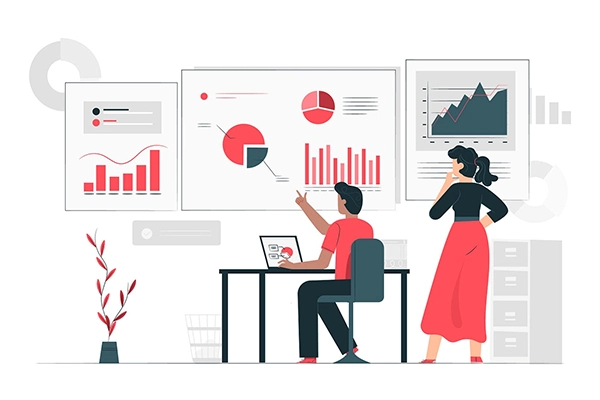
Getting real value from data starts with choosing the right inputs. More data does not always mean better results.
What matters is whether the information supports a specific business goal, such as improving delivery accuracy, refining customer experience, or increasing operational efficiency.
Integration matters just as much. Systems that are easier to connect and maintain are easier to scale over time. Security matters as well, especially when data plays a central role in app performance.
A practical guide to protecting data online can help businesses think more carefully about reliability, trust, and long-term stability.
When companies focus on relevant data, simple integration, and strong data practices, they put themselves in a much better position to build apps that are efficient, scalable, and dependable.
Conclusion
Apps perform better when they can respond to real conditions instead of fixed assumptions. Real-world data gives them the context they need to make faster decisions, improve accuracy, and adapt when circumstances change.
As more modern industries rely on data-driven algorithms and functions, the ability to make use of external inputs effectively becomes a real advantage.
Apps that can process and act on that information in real-time are better equipped to satisfy user expectations and support stronger business results.
FAQs