How Much Does It Cost to Wrap a Car? A 2026 Pricing Guide with Professional Insights from Relux Collision
Jump To Key Section
- Average Cost to Wrap a Car in 2026
- Types of Car Wraps and Their Costs
- What Factors Affect the Cost of a Car Wrap?
- Car Wrap vs Paint: Which Is More Cost-Effective?
- How Long Does a Car Wrap Last?
- Is Wrapping a Car Worth It?
- How to Get an Accurate Quote for a Car Wrap
- Tips to Save Money on a Car Wrap
- Final Thoughts: How Much Should You Expect to Pay?
- FAQs
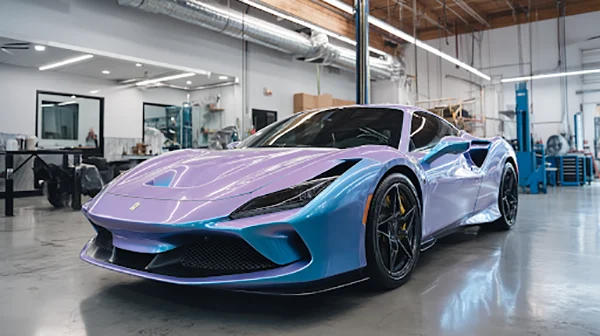
Car wraps are one of the most popular and effective ways to customize and protect a vehicle. Whether you’re going for a change of appearance for your car, advertising a business, or preserving the original paint, wrapping offers the best solution for all these.
But one of the first questions people ask is: how much does it cost to wrap a car? The answer actually depends on several factors: vehicle size, material quality, and installation methods.
This guide outlines the real 2026 pricing and helps you understand what you’re actually paying for.
Average Cost to Wrap a Car in 2026
In 2026, the cost to wrap a car typically ranges between $2,000 and $6,000 or more. For most vehicles, a mid-range wrap falls around $3,000 to $5,000, depending on the level of customization and materials used.
Here’s a general breakdown:
- Compact cars: $2,000 to $3,500
- Sedans: $3,000 to $4,500
- SUVs and trucks: $4,000 to $6,000+
The reason for these price variations is simple. Every vehicle and project is unique and different. The complexity of the job, along with the quality of materials and labor, plays a major role in the final cost.
Types of Car Wraps and Their Costs
Car wraps come in three different types, each providing varying benefits and having cost differences.
Basic Wrap ($2,000–$3,000)
Basic wraps typically use standard vinyl materials and solid colors. They require less customization and are quicker to install, making them the most affordable option.
While they still improve the face value of your personal vehicle, they may not last as long as mid-range or premium wraps and offer fewer finish options.
Mid-Range Wrap ($3,000–$5,000)
Mid-range wraps are the most common choice. They use higher-quality vinyl from well-known brands and offer more finish options, such as satin or matte.
These wraps strike a great balance between cost and durability, making them ideal for most of the vehicles.
Premium Wrap ($5,000–$8,000+)
Premium wraps involve custom designs, specialty finishes like chrome or textured materials, and more detailed installation work. These projects often require additional time and expertise to achieve a flawless result.
They are typically chosen for show vehicles, branding purposes, or drivers who want a unique, high-end look.
What Factors Affect the Cost of a Car Wrap?
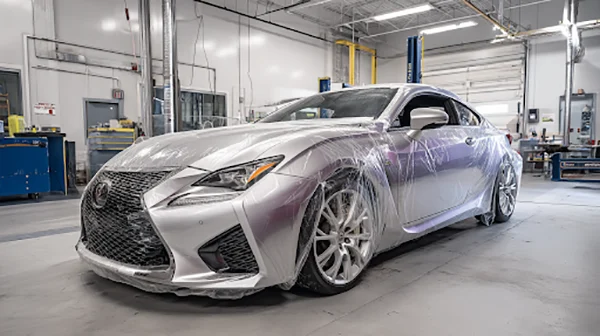
Some factors can greatly affect and have a change on the total cost of your car wrap and its appearance.
1. Vehicle Size and Shape
Larger vehicles need more material and labor, thereby increasing the total cost. Additionally, vehicles with complex curves or body lines take more time to wrap neatly.
2. Wrap Material and Finish
Not all vinyl is the same. High-quality materials last longer, resist fading, and provide a better overall finish. Specialty finishes like matte, satin, or chrome also increase the price.
3. Design Complexity
A basic colour change is much more affordable than a custom-made graphic wrap. Complex designs require more time to properly align and install, adding to the labor costs.
4. Labor and Installation Quality
Installation is one of the most critical parts of the process. Proper surface preparation, precise application, and attention to detail determine how long the wrap will last and how it looks.
Because installation quality directly impacts durability, working with experienced professionals like Relux Collision helps ensure proper preparation, clean application, and a long-lasting finish.
Car Wrap vs Paint: Which Is More Cost-Effective?
Let’s compare the pros and cons of both to help you reach a proper conclusion on which would be better suited for your vehicle.
Upfront Cost Comparison
In most cases, a car wrap is more affordable than a high-quality paint job. Premium paint jobs can exceed upwards of $6,000 or more, but wraps typically fall within a more accessible price range.
Longevity and Maintenance
A professionally installed wrap can last between 5 and 7 years, depending on maintenance and environmental conditions. High-end paint jobs can last longer but come at a higher upfront cost.
Reversibility and Flexibility
One major advantage of wraps is that they are reversible. If you want to change the look of your vehicle or return to the original paint, the wrap can be removed without permanent changes.
Fun Fact
The flexible PVC used in car wraps was accidentally invented in 1926 by Waldo Semon at the B.F Goodrich Company.
How Long Does a Car Wrap Last?
The lifespan of a wrap depends on several factors:
- Quality of materials
- Installation technique
- Exposure to the sun and the weather
- Maintenance habits
With proper maintenance and care, most wraps last between 5 and 7 years. Regular cleaning and avoiding rough conditions can help extend their lifespan.
Is Wrapping a Car Worth It?
Car wrapping is often worth it for drivers who want:
- A custom look without permanent changes
- Protection for the original paint
- A cost-effective alternative to repainting
It’s especially popular for business owners who want to turn their vehicle into a mobile advertisement.
How to Get an Accurate Quote for a Car Wrap
As every wrap project is different, getting an accurate quote requires more specifications than a rough estimate. A professional inspection allows installers to view and assess your vehicle’s dimensions, size, condition, and design requirements.
Getting a detailed estimate from a trusted shop like Relux Collision helps you understand exactly what materials and labor are involved, so you can choose the right option for your budget and goals.
Tips to Save Money on a Car Wrap
If you’re looking to keep costs manageable, consider these tips:
- Choose a standard color instead of a custom design
- Avoid specialty finishes unless necessary
- Maintain your wrap properly to extend its life
- Work with a reputable installer to avoid costly rework
Focusing on value rather than just price can help you get better results over time.
Final Thoughts: How Much Should You Expect to Pay?
So, how much does it cost to wrap a car in 2026? Most vehicle owners can expect to spend between $3,000 and $5,000 for a quality wrap, with lower and higher options depending on their preferences.
The key is understanding what goes into the cost. A car wrap isn’t just pasting materials. It’s about preparation, precision, and craftsmanship. By selecting the right level of service and working with experienced professionals, you can achieve the best results that last for years and look great.
FAQs
- Vehicle size
- Wrap material
- Design Complexity
- Labor and installation
Ans: The life of a car wrap usually depends on several factors, but with proper care and maintenance, it stays for 5-7 years.
Ans: A professional inspection of the vehicle is the best way one can check and assess the design elements, particular finishes, and dimensions of your ride and provide an accurate estimate.