What is Zero Trust Security? A Complete Beginner Guide
The digital security systems of previous times operated like medieval castle defense systems, which allowed people to move freely after entering through the drawbridge and main gates.
The remote work environment, combined with advanced hacking techniques, makes the traditional castle-and-moat defense system insufficient for current security needs. Zero trust security operates as a contemporary protection system that safeguards data through its principle that all potential dangers can emerge from both internal and external sources.
What is Zero Trust Security?
The zero trust model establishes its fundamental operation through its essential principle, which states that users must be verified for their trustworthiness to access authorization. The zero-trust security system considers all access attempts to the system as potential security threats, whereas traditional methods grant automatic trust to active network users.
The system requires all users to demonstrate their identity through identification methods, which include showing their current device to gain access, regardless of their work location, which ranges from corporate offices to coffee shops. The system prevents hackers from accessing your entire system through a single compromised password
How Does Zero Trust Security Work?
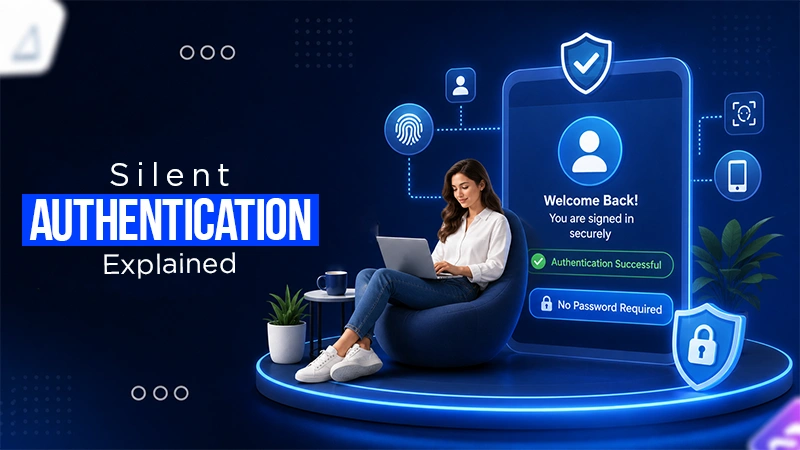
A zero-trust security system requires users to undergo continuous authentication processes, which replace their need for a single login process. The system requires multiple security checks before it authorizes user access.
- Identity Verification: The system uses Multi-Factor Authentication (MFA) to verify user identity.
- Device Health: The system checks whether the laptop or phone has received its necessary updates and remains free from any harmful software.
- Context: The system tracks both the time of request and the geographical location from which the request originates.
Key Advantages of the Zero Trust Security Model
The zero-trust security model provides organizations with multiple significant advantages.
- It offers better data protection. The system establishes a security framework that significantly decreases the probability of data breaches.
- The security system restricts hackers who gain access to the network because they can only move within a limited section of the system.
- The IT team can monitor system access because they have visibility into who accesses which resources at any given moment.
Conclusion
The zero trust security model serves as the ultimate protection standard that modern security systems should follow. Continuous verification processes enable companies to maintain protection against cybercriminals because they eliminate the need for organizations to automatically trust others. Your organization needs to establish a security attitude that protects your digital resources throughout all situations.