The Ultimate Guide to Turning Old Computer Parts Into Cash
Jump To Key Section
- Assess the Value of Your Old Computer Parts
- Understand Which Components Sell Fast
- Choose the Right Platform to Sell
- Create Listings That Attract Serious Buyers
- Prepare Parts for Safe and Secure Shipping
- Bundle or Part Out for Maximum Profit
- Avoid Common Mistakes That Cut Into Profits
- Explore Alternative Marketplaces
- Conclusion
Everyone is excited about upgrading their systems, but what’s happening to the old parts? Old graphics cards, RAM sticks, SSDs, and processors often end up forgotten in drawers or storage boxes, quietly collecting dust. Yet many of these components still have real market value.
The refurbished electronics market size is expected to exceed $123.71 billion by 2033, highlighting growing demand for affordable, pre-owned technology. That demand creates an opportunity for anyone with unused computer parts sitting at home.
The good news is that turning old computer parts into cash is easier than ever. With the right pricing strategy, platform selection, and listing approach, those unused components can become a surprisingly profitable source of extra income rather than ongoing clutter.
KEY TAKEAWAYS
- Used computer components such as RAM, GPUs, SSDs, and CPUs often retain strong resale value.
- Accurate pricing, detailed listings, and quality photos significantly improve selling success.
- Choosing the right marketplace can help you sell faster while maximizing profits.
- Bundling compatible parts and avoiding common pricing mistakes can increase overall earnings.
Assess the Value of Your Old Computer Parts
Begin by cataloging every component you plan to sell and record the exact model numbers. Look at the CPU, GPU, RAM, storage drives, motherboard, and power supply. Accurate identification helps you price items correctly and makes it easier for buyers to find your listings. Buyers search for specific chipsets, clock speeds, and storage capacities, so vague descriptions will not help.
Next, consider the age and condition of each part. A three-year-old graphics card in excellent condition can still command a fair price. A ten-year-old hard drive with heavy use will likely attract minimal interest. Check for visible wear, missing accessories, and any performance issues. Honesty about the condition protects your reputation and saves time later.
Understand Which Components Sell Fast
Not all hardware retains value equally, but several components remain in steady demand long after their original release, like:
- Memory modules
- Mid-range GPUs
- Solid-state drives
- Popular CPUs
People with legacy systems are usually hunting for these parts.
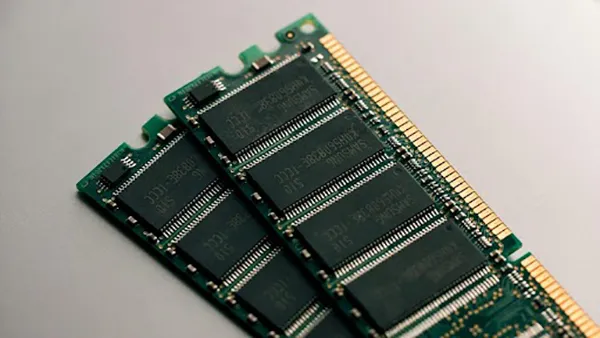
RAM is especially appealing because it is simple to install and delivers noticeable performance improvements. You can sell RAM to gamers, repair shops, and refurbishers who constantly need affordable memory upgrades for older desktop systems. Detailed labeling of capacity, speed, and compatibility reassures buyers and reduces unnecessary questions. Graphics cards also hold value, particularly models that still support modern games at reasonable settings. SSDs attract attention because faster storage improves system responsiveness. CPUs remain desirable when they fit widely used motherboard sockets.
Choose the Right Platform to Sell
The marketplace you choose can significantly affect both your selling speed and your final profit margin. Large online marketplaces offer broad exposure and steady traffic. Tech-focused communities often attract more knowledgeable buyers who appreciate detailed listings.
Local platforms work well for bulky items such as cases or complete systems. Shipping large hardware can cut into profits, so local pickup reduces costs and risk. Keep fees in mind. Some platforms charge listing fees, final value fees, or payment processing percentages. Calculate these costs before setting your price. A slightly higher asking price may be necessary to protect your margin.
Create Listings That Attract Serious Buyers
Well-crafted listings immediately establish credibility and attract buyers who are ready to make a purchase. Start with a clear title that includes the full model name and key specifications. Descriptions should cover condition, testing status, and any included accessories. Mention if the component was lightly used, pulled from a working system, or recently cleaned. Transparency reduces hesitation.
Photos matter just as much as text. Use good lighting and capture multiple angles. Close-up shots of connectors and labels help buyers verify authenticity. Pricing should reflect your earlier research. Competitive pricing encourages serious inquiries rather than lowball offers.
Prepare Parts for Safe and Secure Shipping
Proper packaging minimizes the risk of damage in transit and demonstrates professionalism to potential buyers. Sensitive components such as RAM and motherboards require anti-static bags. Bubble wrap or padded materials cushion items during transit.
Before shipping storage devices, wipe all personal data securely. Data privacy is essential, and buyers expect clean drives. Seal packages tightly and use sturdy boxes. Add tracking information as soon as the item ships. Prompt communication reassures buyers and reduces anxiety during delivery. Reliable shipping practices lead to positive feedback. Positive feedback supports future sales and strengthens your presence in the marketplace.
SURPRISING STAT
Globally, only 20% of e-waste is officially reported as properly collected and recycled; the remaining 80% is undocumented.
Bundle or Part Out for Maximum Profit
How you package and market your hardware can have a direct impact on your overall profit. Some systems generate better returns when broken down into individual components. Others attract more interest when sold as a functional bundle.
Compare the total value of each part on its own. A popular graphics card or processor may command a strong standalone price. Lower-demand components, such as older cases or basic power supplies, may struggle to sell individually. Bundles make sense when parts complement each other. A motherboard and compatible CPU packaged together can save buyers time and reduce compatibility concerns. Memory kits also perform well as matched sets rather than separate sticks.
Avoid Common Mistakes That Cut Into Profits
One of the biggest mistakes sellers make is pricing hardware based on what they paid rather than its current market demand. The original purchase price has little influence on resale value. Technology moves quickly, and depreciation is real.
Incomplete descriptions also create problems. Buyers want specifics, including model numbers, clock speeds, storage type, and condition details. Missing information leads to hesitation or constant follow-up questions. Testing should never be skipped. Confirm that components function properly before listing them. A faulty part returned after shipment costs time, money, and credibility. Shipping expenses can quietly eat into profit. Weigh items in advance and calculate realistic postage costs. Factor in platform fees so you understand your true net return.
Explore Alternative Marketplaces
While online marketplaces are popular, they are far from the only way to generate value from unused hardware. Local repair shops often purchase working components, especially RAM, storage drives, and compatible CPUs. Bulk deals may produce quicker payouts with less effort.
Electronics stores sometimes offer trade-in programs. Store credit may not equal cash value, but it can offset the cost of new upgrades. Community networks also present opportunities. Schools, nonprofits, and small businesses frequently look for affordable systems. A well-maintained older computer can still handle everyday tasks such as browsing, word processing, and light productivity work.
Conclusion
Unused computer components can represent far more than household clutter. Old GPUs, RAM, CPUs, and storage drives command high value in the resell market. With the AI-induced chip shortage and resulting rising prices, even more than the price you bought them at.
Clear evaluation, smart platform selection, and professional presentation make a measurable difference in the results of a sale. A structured plan keeps the process straightforward. Assess value carefully, focus on high-demand components, choose the right selling channels, and protect your reputation with honest listings and secure shipping. Strategic bundling and awareness of common pitfalls further strengthen your position.
Ans: Many. GPUs, CPUs, SSDs, and high-capacity RAM modules typically sell for good money, being useful for upgrades and repairs.
Ans: Research recent sales of the same model on online marketplaces, compare condition and specifications, and consider factors such as age, performance, and demand.
Ans: High-demand components often earn more when sold individually, while older or lower-demand parts may sell faster when bundled with compatible hardware.
Ans: Yes, provided you securely erase all personal data before selling. Using a trusted data-wiping tool helps protect your privacy and gives buyers confidence in the purchase.