How AI Is Changing Customer Communication in 2026
We have now reached a stage when the hype about artificial intelligence has been reduced to a quieter but more productive one. If you go back a few years, there was only buzz and fear. People wondered if bots would replace us or if every interaction would feel like talking to a kitchen appliance.
Honestly, I remember feeling that same hesitation, watching the screen and waiting for a bot to fail.
Now, in 2026, the reality is much more grounded.
AI is not just a tool we use anymore. It has become the invisible fabric of how we talk to each other and how businesses stay connected to the people they serve. But the biggest shift is not about the technology itself. It is about how it makes us feel. We are moving away from the era of “deflection,” where companies used bots to keep customers at arm’s length. Today, the goal is resolution and relevance.
And that’s the point. It’s finally working.
KEY TAKEAWAYS
- AI is making customer communication faster, easier, and more personal instead of being robotic.
- Most businesses use AI now to understand the needs of customers and respond before the issue arises.
- Human support is still important, but AI is handling the simple stuff so people can focus on real problems.
- Customers expect smooth conversations across all channels without repeating themselves again and again.
The Rise of the Agentic Partner
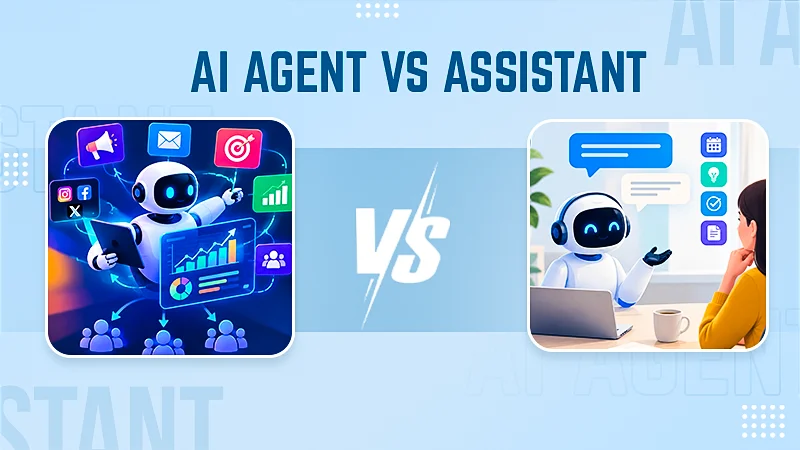
In 2026, we have seen the birth of “agentic” AI. Unlike the old chatbots that just followed a script and got stuck in loops, these modern systems actually do things. They do not just tell you where your package is. They see that your shipment was delayed, realize it is for a birthday based on your previous note, and offer a discount or a faster shipping alternative before you even have to ask.
So, how does this change the relationship?
This proactive nature is changing the power dynamic. Customers no longer feel like they are shouting into a void. Instead, the communication feels like a partnership. I guess that’s what we were always looking for. AI handles the heavy lifting of data and logistics, allowing the human side of the business to focus on what actually requires a heart.
When a situation gets complicated or emotional, the handoff to a person is seamless. The human agent already knows the story, the level of frustration, and the history. There is no more “starting over” every time you switch from a chat to a phone call. It feels less like a transaction and more like a conversation. AI systems are now proactive, not reactive, helping customers solve problems before they even ask for support.
Hyper-Personalization as the New Standard
Generic communication is officially dead. In 2026, if a brand sends a one-size-fits-all message, it feels like a mistake. AI now enables hyper-personalization at a scale we once thought impossible. This goes far beyond just putting a name in a subject line. It is about understanding the context of the individual journey. Businesses now use AI to create highly tailored experiences that match each customer’s intent and behavior.
Have you ever wondered why some brands just “get” you?
You know, one of the clearest examples of this is in how brands welcome new people into their world. The best welcome emails today are no longer static templates. They are dynamic experiences that vary depending on how a person first discovered the brand. If someone signed up after reading a deep dive into sustainability, their welcome journey focuses on ethics and transparency. But if they joined because of a specific product launch, the communication reflects that excitement.
Viewing some email templates by Really Good Emails can provide valuable insights into how hyper-personalization can be implemented effectively. By studying these examples, brands can better understand the nuances of crafting dynamic, customer-focused communications that truly resonate.
It works. It really does.
These emails feel like a warm handshake because the AI has analyzed the intent behind the signup and adjusted the tone accordingly. It makes the customer feel seen, not just processed. It’s like the difference between a mass-produced flyer and a handwritten note tucked into a package.
Continuity Across the Chaos
We are living in an era where people change across five apps before they consume their coffee. The communication system has been adjusted for this fragmented world in 2026. The concept of “omnichannel” has become possible now because of AI as a one-stop source.
Whether you are sending an SMS, replying to an email, or talking to a voice assistant in your car, the conversation is continuous. The AI maintains the thread of the story. Maybe that sounds a bit intense, but in practice, it’s a relief. AI connects all communication channels so customers can switch between platforms without losing context or repeating themselves. This reduces the friction that once defined customer service. You do not have to explain your problem three times. The system remembers. It creates a feeling of being known, which is the foundation of trust. Not every business needs an AI layer to achieve that continuity. Smaller teams often want one specific thing: the ability to send a customer a text and have the reply arrive somewhere the whole team can see. That is a delivery problem rather than an intelligence problem, and comparisons of the leading email to SMS platforms cover the options for businesses that need the channel without the automation stack.
The Return of the Human Touch
Ironically, the more AI we use, the more we value the human elements. Because bots can handle 80 percent of routine tasks, the 20 percent that goes to a person is now higher quality.
Is this the future we actually wanted?
Human agents are not burnt out from answering the same password reset question 500 times a day. They have the time and the mental space to be empathetic. You can hear it in their voice or see it in the way they type. In 2026, the brands that are winning are the ones that use AI to be more human, not less. They use the data to be kind, the automation to be fast, and the insights to be thoughtful. With AI handling routine tasks, human agents can focus more on meaningful, empathetic customer interactions.
We are no longer talking to machines. We are using machines to talk to each other better.
Looking Ahead
As we move further into this year, the focus will remain on trust. People are smart. They know when they are talking to an AI. They do not mind it as long as it is honest and helpful. The future of communication is not about hiding the tech. It is about using it to create moments of genuine connection.
Whether that is through a perfectly timed notification or one of those email campaigns that actually hits home, the goal remains the same. Being there for the customer in the way they need most. Sometimes it’s just about making things a little easier, you know?
Conclusion
AI is changing the way customer communication is performed, making the processes faster, personalized, and efficient. Using AI in customer service, companies can respond to customer needs quickly and provide them with better communication, making their services and products more convenient and efficient.
Moreover, AI is helping people to dedicate themselves to complex problems that require empathy and critical thinking skills. When AI technology keeps evolving, the best brands will be able to implement its usage not as a substitute for human connections, but as an opportunity to enhance their relationship with customers.
FAQs
Ans: AI helps businesses provide faster responses, personalized interactions, and proactive support, making customer experiences more efficient and relevant.
Ans: Hyper-personalization uses customer data, behavior, and preferences to deliver tailored messages, recommendations, and support experiences.
Ans: Agentic AI systems can take actions on behalf of customers, such as resolving issues, suggesting solutions, and completing tasks with minimal human intervention.
Ans: Omnichannel communication ensures customers receive a consistent experience across email, chat, social media, SMS, and other platforms without repeating information.