The Future of Work Without Apps: AI-First Workflows Explained
Previously, digital productivity entailed jumping back and forth between various apps. The staff used different applications to send emails, manage documents and projects, etc. But rigid software solutions are being replaced by a more flexible approach.
Through the incorporation of intelligence within business processes, companies have been able to see the future-proof potential of AI workflows and streamline their operations.
The Fundamentals of AI-First Workflows
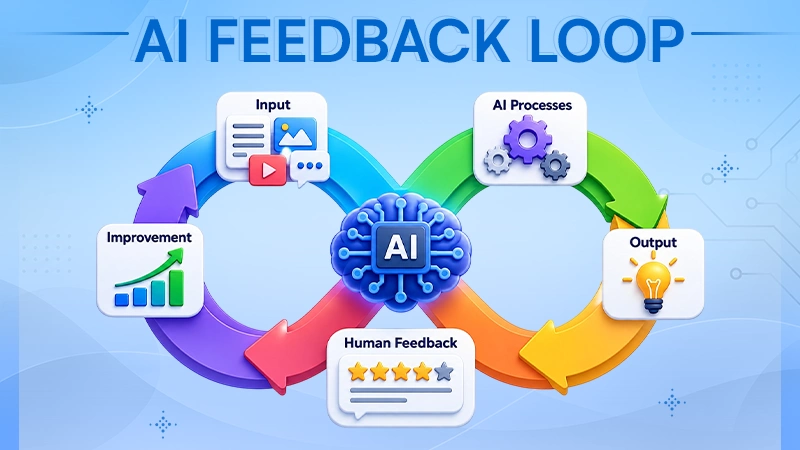
AI-first workflows are a series of automated tasks that use artificial intelligence to be able to analyze context and make decisions, which can also learn from experience. Conventional automation is rule-based; if the data does not come in the expected way, the conventional system fails.
Conversely, intelligent workflows change depending on what kind of input they receive. The process stages of an AI workflow are the following:
- Data Input: Gathering of information automatically from emails, forms, PDFs, and internal databases.
- Analysis: Utilizing natural language processing and machine learning capabilities to comprehend content and context.
- Decision-making: Analyzing patterns and routing, identifying important information or creating a response.
- Output and feedback: Providing completed tasks and learning through user interactions.
AI Workflows’ Solution to App Switching Problem
Rather than making employees copy and paste information between different isolated pieces of software, new AI workflows operate as execution layers.
- Inter-Platform Connection: The intelligent workflow system extracts information from one platform, processes it, and updates another tool.
- Contextual Assistance: Instead of looking for files in various folders, users will be able to work with their documents by simply asking questions and receiving insights.
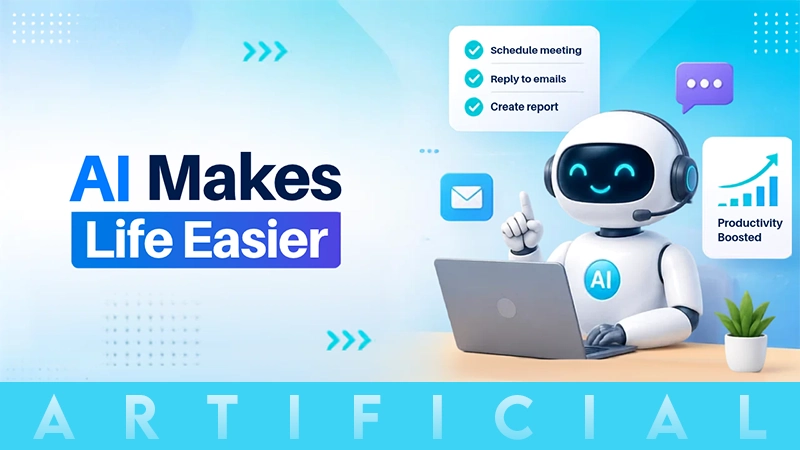
- Automated Administrative Tasks: Tasks like sorting support tickets, processing invoices, and even summarizing long meetings happen automatically without any user effort.
Why AI-Based Execution Represents The Right Approach
Companies utilizing intelligent automation benefit from several operational benefits in comparison with those that depend on the older software stack. By exploring AI workflows future and the best AI workflow automation platforms for small businesses in 2026, it becomes clear that organizations are moving away from static software-based interfaces toward a more results-oriented approach to execution.
As a result of human error reduction, faster document processing, and the elimination of data silos, people become freer from mundane administrative jobs. Thus, when exploring AI workflows future options, it becomes possible for employees to concentrate on the value-added activities of strategy, creativity, and problem-solving instead.
Conclusion
The transition from conventional software to integrated intelligence changes enterprises’ operations. When taking advantage of AI workflows and future technology, organizations can work more accurately, efficiently, and productively. The successful companies in the future will be those that delegate routine tasks to AI and focus human efforts on growth.