Metal Bin Sizing Guide for Bulk Material Handling
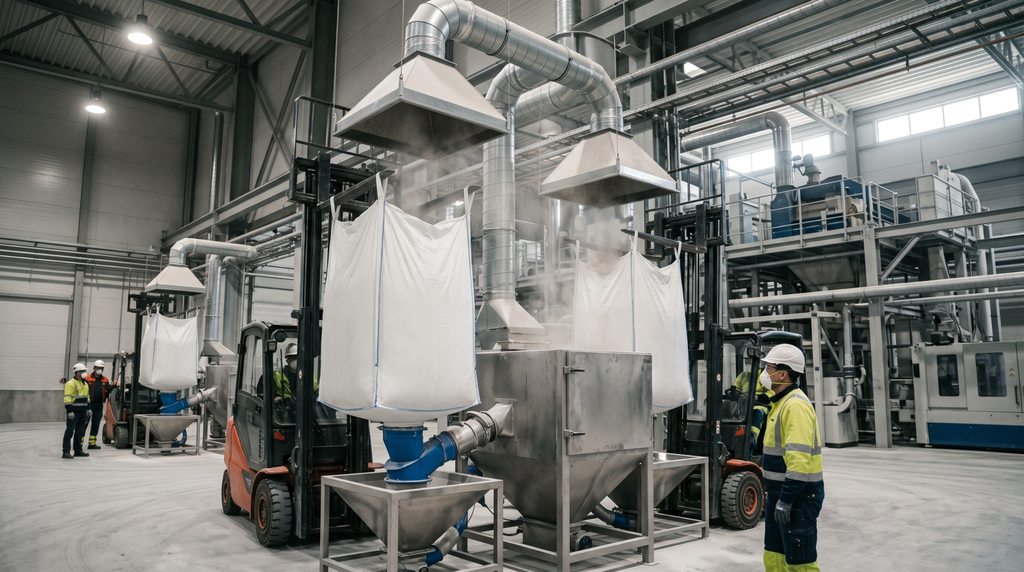
Metal bins for storage are widely utilized across manufacturing, distribution, and recycling operations because they manage heavy loads, resist daily wear, and stack easily in tight spaces.
Picking the wrong size creates friction that is noticeable in every shift: bins that overflow, containers too large to move, or units that do not align with forklift configurations. This is why getting the sizing right is so important.
This article outlines why size and capacity are inseparable and why sourcing the right bin for your operations is essential.
Why Size and Capacity Are Inseparable
Bin size and weight capacity need to be assessed together, not separately. A bin with generous dimensions but a low load rating creates a safety risk the moment a forklift operator tries to move it fully loaded.
A bin rated for heavy loads but sized too small forces more handling cycles than necessary, increasing labor time that compounds throughout an operation.
Standard metal storage bins cover a broad range of capacities. Lighter requirements for handling machined parts or small assemblies typically range from 300 to 800 lbs per bin.
Heavy-duty bins built from 7 to 14 gauge steel can accommodate significantly more demanding loads, with capacities ranging from 3,000 to 6,000 lbs for castings, forgings, stampings, and bulk scrap materials.
Matching Bin Dimensions to the Material Being Handled
The nature of the material being stored shapes which bin dimensions work best. Loose bulk materials like scrap metal, sand, or granular components deserve deeper bins with solid-wall construction to prevent spillage and distribute the load evenly across the base.
Parts handling, by contrast, often draws benefits from shallower bins with open or tilted fronts that allow workers to access contents without moving the entire container.
Standard bin footprints typically range from small parts organizers around 6 x 4 inches up to large bulk containers measuring 48 x 40 inches or more. Many operations require sizes between these polarities, and suppliers often offer dimensions in increments to match specific workflow requirements.
Steel Gauge and Construction for Different Load Types
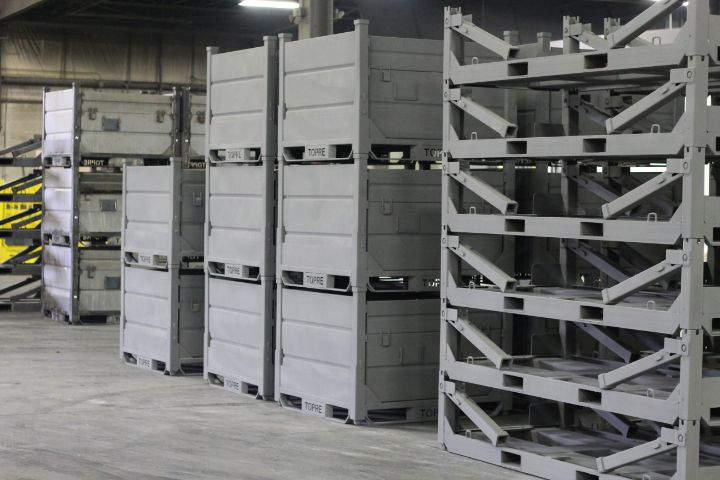
Steel gauge controls how much punishment a bin absorbs over its service life. Lighter-gauge steel in the 12 to 14 range is suitable for parts and components that are placed into bins carefully and handled at moderate frequency.
Heavier-gauge construction, from 7 to 10 gauge, is appropriate when parts are dropped from a height, when acute temperatures are involved, or when the bin is dragged, bumped, or loaded by conveyor rather than by hand.
Forklift entry configuration also affects which bin works best in a given space. Two-way entry is advantageous for applications where the approach direction is fixed. Four-way entry gives operators more flexibility in tight aisles or high-density storage areas, trimming handling time and the risk of impact damage during retrieval.
Industrial Metal Storage Containers vs. Standard Bins
Not every bulk material handling application involves calling for the same container type. Standard stackable bins work well for parts that cycle through production at a predictable rate.
Larger industrial metal storage containers are better suited for raw material staging, scrap collection, and bulk goods that move in high volumes with forklift or crane assistance rather than by hand.
The distinction matters because overfilling creates dead floor space when bins sit partially full, while undersizing forces more frequent emptying and higher labor costs per ton of material moved.
Outdoor and Wash-Down Environments
Bare steel corrodes in wet or high-humidity environments without chemical protection. Powder-coated finishes perform well in most indoor manufacturing settings. Galvanized steel performs better in wash-down areas, outdoor storage yards, or facilities with chemical exposure.
Operations in food processing or pharmaceutical environments typically require stainless steel construction, which supports repeated sanitizing without degrading over time.
Specifying the right finish at the point of purchase mitigates premature corrosion and the cost of replacing bins not built for the actual environment.
Sourcing the Right Bin for the Operation
Sizing metal bins for storage correctly comes down to three factors: the weight and nature of the material, the delivery method, and the environment in which the bin will operate.
Container Exchanger offers a diverse selection of industrial metal storage containers in multiple sizes and capacity ratings, giving facilities a straightforward way to source the right bin without custom lead times or unnecessary restrictions on specifications.
FAQs
Ans: Larger industrial metal storage containers are better suited for raw material staging, scrap collection, and bulk goods that move in high volumes with forklift assistance.
Ans: Four-way entry offers operators more flexibility in tight aisles or high-density storage areas, trimming handling time and the risk of collateral damage during retrieval.
Ans: Standard bin footprints generally range from small parts organizers around 6 x 4 inches up to large bulk containers that measure 48 x 40 inches or more.