What Factors Determine Liability in a Delivery Truck Accident
A delivery truck not only carries a package, but it also carries a chain of decisions made before it reaches its destination. It’s possible a driver might be moving in traffic, a company may be managing a routine, and a vehicle may have its own maintenance history. By chance, any collision happens; then looking at only one part of the chain can leave actual facts behind.
For someone asking who is liable in a delivery truck accident, the answer may depend on several factors. Many factors such as driver conduct, company decisions, vehicle condition, road conditions, and evidence shape the picture. So here are the factors that need a closer look.
The Driver’s Actions
A truck driver’s choices are among the first things checked after a delivery truck crash. Speeding, distracted driving, unsafe lane changes, fatigue, or failure to follow traffic rules may have a role. Records, statements, and crash evidence can reveal what the driver was doing before the collision.
The reason behind a driving decision is also important. A driver may have been dealing with a demanding route, heavy traffic, poor weather, or pressure to finish deliveries fast. Those details do not automatically decide responsibility, but they can help decode the driver’s actions in context.
The Delivery Company’s Decisions
A delivery company can have a valuable role in how a driver operates. Scheduling, training, supervision, and work expectations all become part of the review.
Scheduling and Delivery Pressure
A delivery window might affect how much time a driver has to complete a route. If a schedule leaves little room for traffic, loading delays, or needed breaks, investigators may look at how that schedule affected driving decisions. Company messages and route records can help reveal what was expected.
Hiring, Training, and Supervision
Company records can also show how a driver was hired, trained, and supervised. Questions about qualifications, safety training, or work practices can become crucial if they connect to the accident. These things need to be considered alongside the evidence.
The Truck’s Condition
The truck itself may give another part of the answer. A delivery vehicle requires regular inspection and maintenance, and problems with brakes, tires, steering, lights, or other parts can affect how it operates.
Maintenance records and inspection reports may show whether a known issue existed before the crash. Repair records can also verify who worked on the vehicle. If a mechanical problem contributed to the collision, the investigation may need to look beyond the driver and delivery company.
The Role of Other Parties
A delivery truck accident can include more than the truck and its driver. Another motorist may have made a move that resulted in the crash. A contractor may have managed part of the delivery. A separate company may have provided service for maintenance or repairs.
These possibilities do not show that every involved party is responsible. Each party’s actual role must be considered based on the actual facts. A review can separate what each person or company did from what others did.
The Road and Driving Conditions
Road conditions can also affect how a crash happens. Weather, poor visibility, construction, traffic, road design, missing signs, or confusing lane markings can be part of the picture.
These conditions do not automatically change responsibility; rather, they help explain the setting around the accident. Photos, road records, witness accounts, and other evidence may help show whether the roadway played a role in what happened.
The Evidence Behind the Liability Decision
Evidence connects these factors. Without records, it can be difficult to see how separate details fit together. Useful evidence may consist of:
- Police and crash reports
- Dashcam and surveillance footage
- GPS and vehicle data
- Driver records and company communications
- Maintenance and inspection documents
- Witness statements and photographs
Each source can answer a different part of the incident. A camera may show vehicle movement, while GPS data can reveal the route. Maintenance records may show vehicle problems, and company messages may show delivery instructions. Looking at these sources together can make a clearer picture than relying on one record alone.
Why Several Factors May Matter in One Crash
Liability is not always because of one mistake. A driver may have made an unsafe move, while a company decision may have created pressure. A vehicle problem could have made the situation difficult to control, or another driver may have contributed to the collision.
For that reason, the question of who is responsible in a delivery truck accident cannot always be answered by pointing to the person behind the wheel. The facts may include several connected events, and each one needs to be separated and reviewed.
Final Thoughts
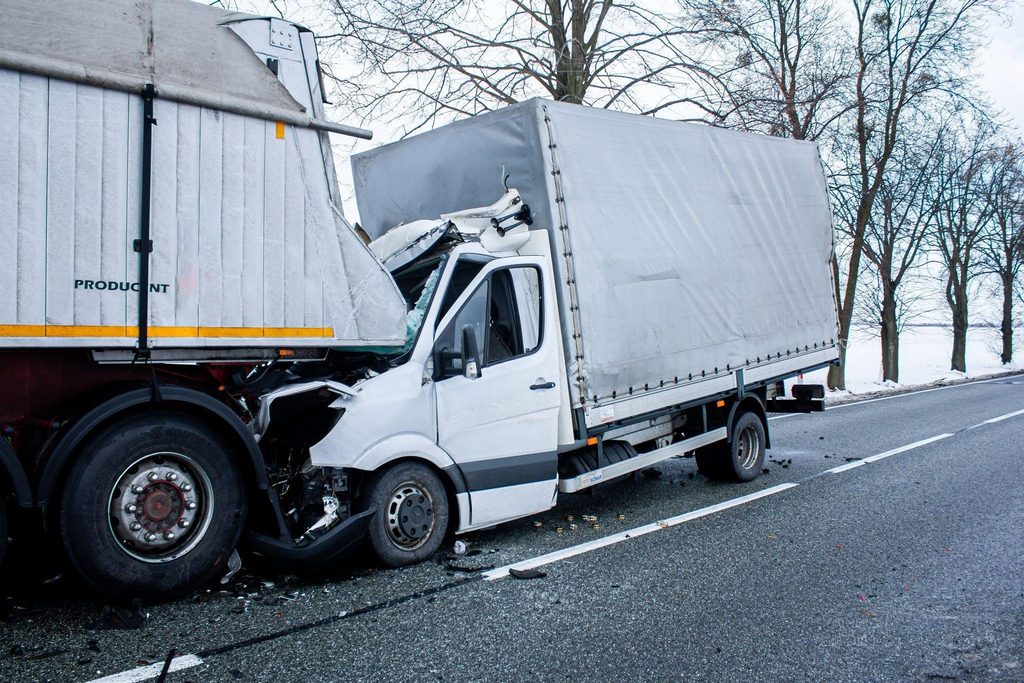
The damaged vehicles show where the collision ended, but they may not show everything that led to the incident. A good review looks beyond the point of impact and considers the actions, conditions, and records that came before the crash.
Driver behavior, company practices, vehicle condition, road conditions, and evidence can all help shape the liability picture. The clearest understanding comes from connecting those factors carefully instead of making a decision from one detail alone. That wider perspective keeps the focus on what actually contributed to the delivery truck accident.
FAQs
Ans: Insurance companies decide who is at fault by investigating physical evidence, reviewing official reports, and applying state negligence laws.
Ans: The four proofs of negligence are duty of care, breach of duty, causation, and damages.
Ans: The most common claim denial is missing or incomplete data.