What is Adaptive AI? Systems That Learn Continuously
Conventional artificial intelligence applications depend on old training data for decision-making. Though it works well in a stable environment, conventional artificial intelligence faces difficulties when the conditions in the real world suddenly change.
Adaptation in AI addresses this challenge through the processing of new data on an ongoing basis, enabling the systems to modify their algorithms without the need for reprogramming.
Basics of Adaptive AI
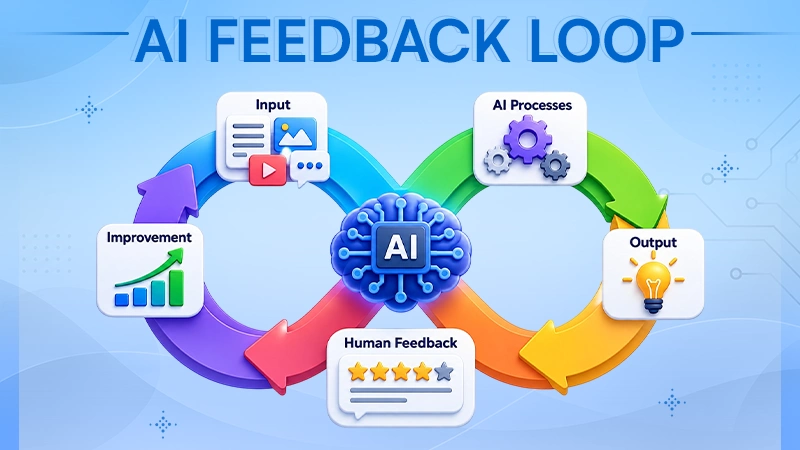
In contrast to the conventional machine learning model where the system does not change after deployment, adaptive AI keeps updating itself using the new feedback and environmental data. This makes it possible for the applications to adapt themselves to changing circumstances.
Core Aspects of Adaptive Architectures
In order to become flexible in real-time, such advanced technologies employ a number of machine learning techniques:
- Reinforcement Learning from Feedback: Models modify their decision-making mechanisms according to actual outcomes and environmental interaction.
- Transfer and Meta-Learning: Knowledge acquired through previous situations helps deal with new circumstances more effectively.
- Incremental Updating: Instead of rebuilding the whole system each time, its elements get modified using incoming data.
Advantages of Flexible Machine Learning vs. Static Automation
Using flexible machine learning solutions brings a number of benefits compared to conventional automated systems:
- Model Drift Prevention
Static programs become obsolete and inaccurate because of changes in users’ behaviors; such processes are referred to as model drift. Flexible models always remain relevant to the current situation.
- Real-Time Response to Disruptions
Whether it is supply chain management or an IT network at a large company, flexible algorithms react to any anomalies that occur in real-time mode without any urgent updates performed by developers.
- Security and Fraud Detection Improvement
Financial networks and security solutions rely on dynamic patterns to recognize new ways of fraud immediately.
Also Read: What is Anycast Network? Speeding Up Global Services
Conclusion
The knowledge about adaptive AI reveals the future trends in automation within enterprises. Using self-developing and adaptable architecture instead of static models of algorithms helps enterprises create robust business operations that can adapt to changing needs of the world.
Frequently Asked Questions
Ans: The key difference between traditional and adaptive AI is that the latter system is constantly adapting by itself using operational data.
Ans: By adjusting the algorithm in accordance with new data.
Ans: Cybersecurity, banking, health care, and IT networks.