What Causes Chemical Storage Areas to Become Unsafe?
Jump To Key Section
- Inadequate Spill Containment Allows Leaks to Spread
- Damaged or Unsuitable Containers Increase Leak Risks
- Poor Ventilation Allows Hazardous Vapours to Accumulate
- Incompatible Chemicals Are Stored Too Close Together
- Inadequate Inspections Leave Hazards Undetected
- Safer Storage Depends on Consistent Risk Control
- Frequently Asked Questions
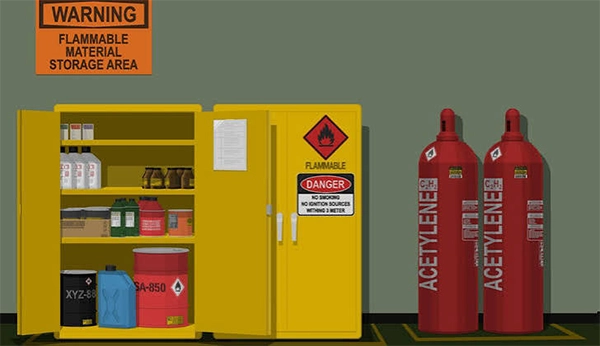
Chemical storage areas become unsafe when inadequate spill containment, damaged containers, poor ventilation, incompatible substances, or neglected safety procedures causes leaks, exposur, and che,ical reactions.
When storage practices deteriorate overtime, even properly designed facilities with chemical compliance software can develop hazards. Whether you manage agricultural chemicals, industrial solvents, or bulk processing liquids, knowing these riks helps you prevent incidents and maintain a safer working environment.
Inadequate Spill Containment Allows Leaks to Spread
Chemical spills become specifically dangerous when storage areas lack effective secondary containment. Leaking containers, damaged valves, or accidental overfilling can release dangerous liquids onto surrounding surfaces, potentially exposing workers and contaminating drainage systems.
Even where IBC bund solutions for spill containment are installed, insufficient containment capacity, structural damage, or incompatible chemicals can allow spilled chemicals to escape. Your containment arrangements should account for the chemicals stored, the potential release volumes and the situation of the equipment.
Regularly inspecting bunds, verifying drainage arrangements and keeping containment areas clear of accumulated liquids helps prevent minor leaks from becoming larger accidents.
Damaged or Unsuitable Containers Increase Leak Risks
Chemical containers can become harmful through corrosion, physical damage, material degradation, or repeated handling. Containers exposed to unsuitable substances may gradually weaken, increasing the likelihood of leaks or structural issues.
You should verify whether each container is compatible with its contents, particularly when storing corrosive liquids or chemicals requiring specialised materials. Plastic and stainless steel intermediate bulk containers have varied chemical resistance properties, making material selection an important safety consideration.
Routine inspections should reveal container walls, seals, fittings and discharge valves. Any container showing signs of deterioration should be assessed and removed from service where required.
Poor Ventilation Allows Hazardous Vapours to Accumulate
Inadequate ventilation can make enclosed chemical storage areas hazardous when volatile substances release vapours. Relying on the chemicals involved, accumulated vapours may create inhalation hazards, flammable atmospheres or conditions that increase the chances of a spill.
Your ventilation requirements rely on the substances stored, their quantities, and the storage environment. Flammable liquids and chemicals that release harmful vapours may need specifically designed ventilation systems rather than relying on ordinary air circulation.
Blocked ventilation openings, poorly maintained extraction systems, and shifts to storage layouts can compromise airflow. Regular assessments help ensure ventilation remains suitable for the chemicals present.
Incompatible Chemicals Are Stored Too Close Together
Storing incompatible chemicals without proper separation creates opportunities for dangerous reactions. Acids, alkalis, oxidising agents and flammable substances may need different storage arrangements because accidental contact can generate heat, release hazardous gases or cause fires.
WorkSafe Queensland identifies chemical segregation as an important control, explaining that separation distances, optimal barriers and detached storage can prevent incompatible dangerous goods from interacting. Its guidance on segregation techniques also highlights the importance of preventing incompatible chemicals from mixing during spills.
You should review each chemical’s safety information sheet before determining storage locations. Shared containment areas require particular attention because separate containers do not necessarily prevent chemicals from mixing after a leak.
Inadequate Inspections Leave Hazards Undetected
Chemical storage areas become increasingly hazardous when routine inspections and maintenance are neglected. Small leaks, obstructed access routes, damaged labels and deteriorating equipment may remain unnoticed until an incident happens.
Your inspection programme should account for container condition, spill containment, ventilation, signage, and emergency equipment. Storage changes also need reassessment, particularly when new chemicals are introduced or quantities increase.
Staff training is equally essential. Workers should understand chemical identification, safe handling procedures, and how to report damaged equipment or suspected leaks. Clear responsibilities help prevent developing hazards from being overlooked.
Safer Storage Depends on Consistent Risk Control
Chemical storage safety relies on more than selecting suitable containers and installing protective equipment integrated with AI in robotics. You also need effective containment, appropriate ventilation, chemical compatibility checks, and consistent inspection process. By addressing these common causes of unsafe storage conditions, you can reduce the likelihood of spills, exposure, and hazardous reactions while maintaining a safer environment for everyone working around hazardous substances.
Frequently Asked Questions
- How to maintain a safer environment for people working in chemical industries?
Allowing proper ventilation, maintaining every chemical properly, not storing incompatible chemicals together, and regular safety inspection creates a safer environment for people working in chemical industries.
- Why ventilation is important in chemical stoarges?
Storages should have proper ventilation because poor ventilaytion allows hazardous vapours to accumulate.
- When should a chemical storage consider a safety inspection?
Every chemical storage should consider regular safety inspection to verify building hazards to prevent them from turning into major incidents.