Everything You Need to Know About Sensor Technology
Machines often do their work by gathering information from the real world. You might think of an oven that continually monitors the temperature of its interior compartment, and then channels more electricity into a heating element. Or, you might think of a pressure sensor that tells you how much air is in your tyres.
What Sensor Technology Is and How It Works
Gathering information from the real world means using a device known as a sensor. Sensors come in a variety of shapes and sizes, and they’re found throughout the modern world. If you can think of a measurable real-world phenomenon, then there’s a strong chance that there’s a digital device that can measure it. Proximity, temperature, pressure, motion and light are just some of the things that a sensor can convert into a series of zeroes and ones that can be parsed and acted upon by other machines, or by human beings.
How Sensors Are Used Across Modern Industries
You’ll find sensors in just about every modern industrial context. In manufacturing, automotive systems, healthcare devices, and logistics, they’re ubiquitous.
In fact, many modern innovations driven by AI are only possible with the help of sensors. You might think of a manufacturing process that tightly controls the pressure being applied to an extruder. A sensor here might ensure that the thing being extruded is consistent, but also that the machine itself is in good working order. The right sensor can often pick up on a problem with a machine before symptoms have become visible.
Emerging Trends Shaping Sensor Technology
The role of sensors has allowed the development of ‘edge computing’, which seeks to leverage data locally, rather than having everything uploaded to a cloud server. The continual shrinking of sensors, moreover, is allowing them to be incorporated in a variety of new settings, like wearable devices and the LiDaR system found on many experimental autonomous vehicles.
What Businesses Should Consider When Choosing Sensor Technology
Not all sensors are appropriate for every use case. When you’re choosing devices for your setting, you’ll need to account for a variety of factors. Think about how easily your sensors will be to install and maintain, and how much they’ll cost. The fidelity of readings from a temperature sensor, for example, might justify the cost of an expensive sensor, especially in industrial settings in which reliability counts for a great deal.
The Use of Sensors in Smart Home Technology
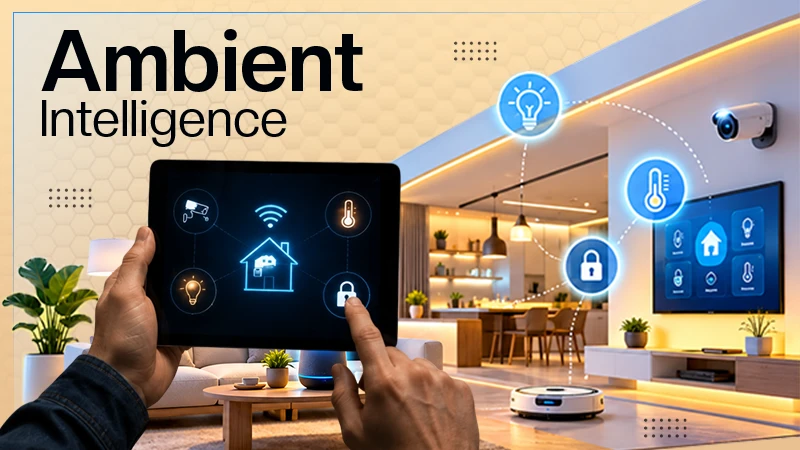
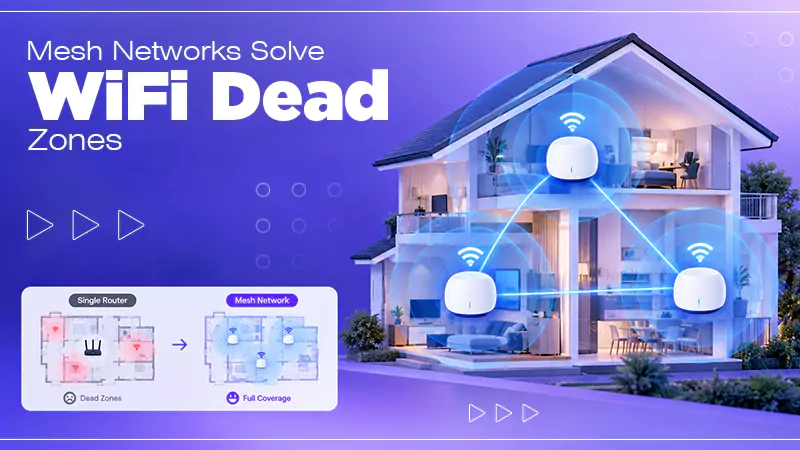
Modern technologies are being incorporated into various facets of human life, including home living, which has become easier for homeowners to control thanks to innovative solutions. One of these technologies is sensor technology, which makes it possible to build smart homes that offer convenience, energy savings, and enhanced security. Motion sensors can switch on lights when someone moves into a room, while temperature sensors assist in regulating heating and cooling by a thermostat depending on the weather and occupancy.
With more homes being fitted with smart home devices, there has been an increase in the complexity of sensors in use today. Remote monitoring via apps is common in many modern-day systems, making it easier for users to keep track of things happening at home.
Accuracy and Reliability of Sensors
The usefulness of any sensor device largely relies on its accuracy and the reliability of its results. In the healthcare industry, in aerospace technology, and in many manufacturing processes, the slightest errors may cause significant problems. Consequently, firms spend millions of dollars to purchase the best sensors that ensure precise readings at all times.
Today’s sensors are created to withstand harsh working conditions, such as extremely high or low temperatures, pressure, etc. Moreover, advances in calibration techniques, as well as wireless communication, have helped to achieve better results.
Challenges Faced by Sensor Technology
While there are numerous benefits associated with sensor technology, there are also certain challenges faced by this technology. Data security is one such challenge, especially in terms of the huge amounts of data gathered by the sensors that may become targets for cyber attacks and hackers.
Moreover, cost may pose a hurdle for companies seeking to adopt sensor technology on a large scale. Similarly, it may also become difficult to maintain and calibrate sensors, especially in industries requiring precise measurements.
The Future of Sensor Technology
The future of sensor technology will be highly dependent on the evolution of artificial intelligence, the Internet of Things (IoT), and automation. As more devices become networked, sensors will remain integral for delivering the necessary data to fuel intelligent systems and prediction mechanisms.
Some innovations in the pipeline include flexible wearable sensors, smart city networks, and environmental monitoring solutions that can reduce energy consumption and enhance public safety. The potential of sensor technology is immense, and with further research and development, its applications are likely to increase in the years ahead.