What is Distributed Cloud? The Future of Cloud Computing
When moving crucial applications to the cloud, there could be a risk of latency, performance bottlenecks, and compliance constraints in managing data through centralized data centers.
The typical traditional public cloud infrastructure is constrained by physical distance, which results in latency when trying to process things in real time.
Therefore, there have been advancements in the IT architecture to overcome these geographical challenges. In order to know how distributed cloud works, it is essential to understand what it is first.
How Does Distributed Cloud Work?
Distributed cloud is a type of public cloud computing where public cloud infrastructure is distributed at various geographically separate sites, including customer-owned data centers and other third-party places, through one control plane.
In contrast to a traditional public cloud where computing resources are centralized in a few giant data centers, distributed clouds extend their services to satellite locations closer to the end users and data sources.
Some of the essential elements of the architecture are:
- Single Control Plane: Centralized management of all operations, software updates, and security policies in all the sites.
- Microcloud Satellites: Public cloud provider stacks deployed in customer-defined data centers or regional edge locations.
- Governance under Provider-Managed Control: The main cloud provider manages and maintains the physical and virtual infrastructure globally.
Key Operational Benefits Over Centralized Cloud
Adopting the distributed cloud architecture solves key problems found in traditional cloud environments, including cloud storage limitations related to latency, data accessibility, scalability, and compliance.
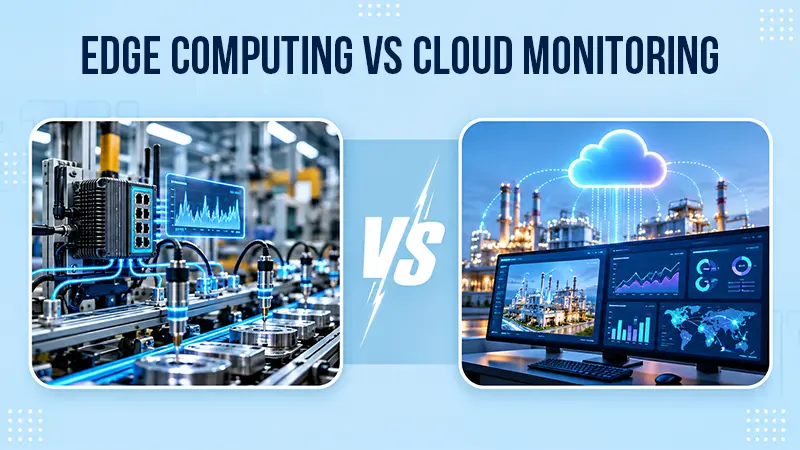
- Low Latency: Performing computations locally on edge nodes speeds up the processes required by real-time applications such as autonomous cars, live broadcasting, and IoT devices.
- Data Residency and Compliance: Banks and hospitals store sensitive data inside country or region boundaries due to the strict local laws.
- Easier Hybrid Control: There is no need for special management for separate hybrid and multicloud environments.
Practical Use Cases in Different Sectors
Contemporary companies use distributed systems to address specific location-based computing problems:
- Manufacturing and Internet of Things: Factory operations analyze the data from sensors at local servers without any operational delays while remaining in sync with cloud servers.
- Healthcare Systems: Hospitals keep patients’ records at local private servers, while simultaneously using public cloud-based AI services safely.
- Financial Services and Retail: Banks and retailers carry out financial transactions right away within national borders while preserving all audit information in their logs.
Conclusion
The emergence of location-sensitive computing is a step forward in enterprise technology infrastructure. The adoption of a distributed cloud system allows firms to leverage the agility and speed of public clouds wherever required physically.