How Contributory Negligence Can Affect a Roanoke Motorcycle Claim
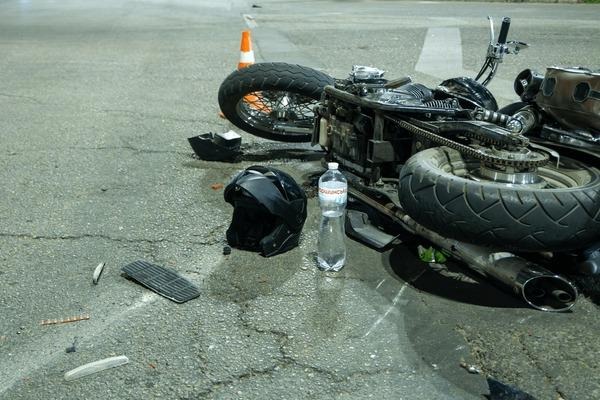
Contributory negligence is going to have a lot of impact on a Roanoke motorcycle claim. If the crash happened due to the rider’s negligence, then Virginia law limits them to get recovery. This makes the rider’s actions important during the accusations.
Roanoke is a well-known city in southwestern Virginia and also a regional hub for transportation, healthcare, education, and business. Due to its presence in the Blue Ridge Mountains, riders have to travel through a mix of urban streets, winding roads, and routes connecting the city. These conditions become important in the investigation of motorcycle crashes and whether either party contributed to it.
A Roanoke, VA motorcycle accident lawyer can examine the evidence supporting that allegation. This can help determine whether the rider’s conduct actually contributed to the collision.
What Contributory Negligence Means
Contributory negligence means a person’s lack of reasonable care leads to an accident. Virginia follows a strict contributory negligence rule rather than simply reducing damages by a percentage. This can make allegations about a rider’s conduct really important.
For a motorcycle rider, the allegation may include speeding, failing to yield, or following too closely. The other party must connect that occurrence to the accident. A mistake that did not contribute to the crash does not actually establish contributory negligence.
How It Can Affect a Motorcycle Claim
Virginia’s rule can have major consequences for an injured motorcycle rider. If the rider’s negligence is found to be an actual cause of the crash, recovery may be barred. This can impact compensation for medical bills, lost income, and other losses.
The problem can arise during insurance negotiations as well as in a lawsuit. An insurer may state that the rider’s actions contributed to the collision. Evidence challenging that argument can therefore become crucial.
When Speed Becomes an Issue
Speed can become a major issue when contributory negligence is alleged. The other side may claim that the motorcycle was traveling too fast for the situation. The main question is whether the rider’s speed contributed to causing the crash.
Road conditions and traffic can affect whether speed was appropriate at the time. Evidence may involve photographs, witness statements, and available video footage. These informations can help determine whether speed actually played a role.
Failure to Yield
Failure to yield is also a part of a contributory negligence argument. Another driver may claim that the motorcycle entered an intersection without yielding accurately. The rider may have a different view of who had the right-of-way.
Evidence from the accident scene can help solve these disagreements. Traffic signals, signs, photographs, and witness accounts may show what actually happened. This evidence can help determine whether the rider is the one who contributed to the collision.
Lane Position and Visibility
Lane position can become important when a driver claims that a motorcycle was hard to see. Motorcycles are smaller than other vehicles and can be difficult for drivers to notice. The position of the motorcycle can therefore become important when investigating the crash.
This does not always make the motorcycle rider responsible. Evidence can show where the motorcycle was parked before the collision. Traffic footage and witness accounts may help verify what the driver could have seen.
Following Distance
Following distance can become important when a motorcycle is struck from behind. Drivers are expected to maintain an appropriate distance from vehicles ahead. The circumstances surrounding the traffic and speed can affect this problem.
A driver following too closely may have not suffiecient time to react. The rider’s actions may still be evaluated if contributory negligence is alleged. Evidence should establish how both vehicles were moving before the accident.
Key Takeaways
- Contributory negligence can significantly affect a Roanoke motorcycle claim.
- The rider’s conduct must be connected to the cause of the accident.
- Speed can become a crucial issue in disputed claims.
- Failure to yield may contribute to a contributory-negligence allegation.
- Lane position and visibility can affect how the crash is examined.
Frequently Asked Questions
Ans: If contributory negligence is proved, then the court might reduce the compensation by a percentage because of the claimant’s responsibility
Ans: According to the Law Reform (Contributory Negligence ) Act 1945, the defendant bears the burden of proof for contributory negligence.
Ans: Damages that can be recovered in a negligence case are pecuniary expenses due to actual injury, loss of income or earning capacity, physical pain and suffering, inconvenience, and mental anguish.